Alpujarras
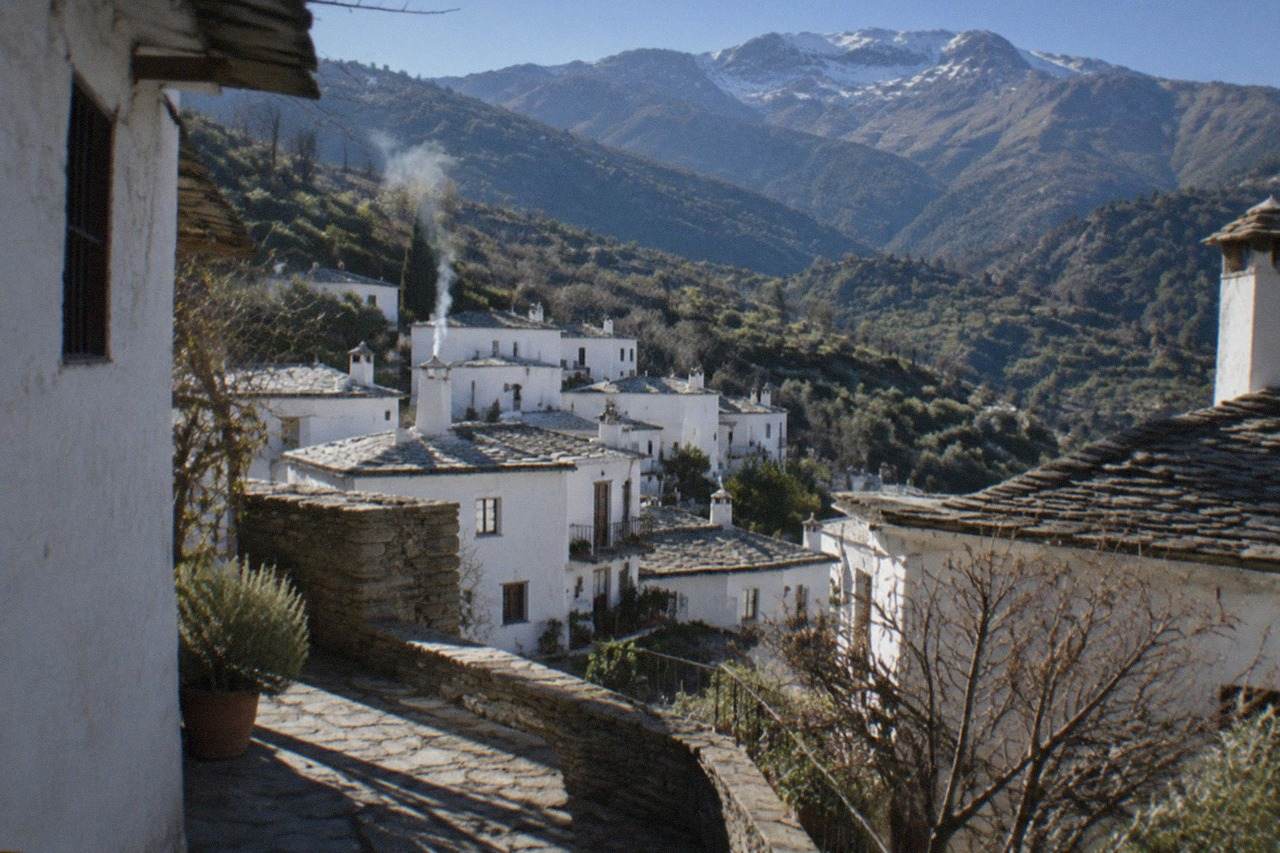
The Alpujarras are the string of white villages on the southern slopes of the Sierra Nevada, an hour or so up winding roads from Granada city, and they make one of Andalusia's most rewarding day trips.
Short answer
The Alpujarras are a day trip from Granada best done either with a guided tour (from about $81 per person) or with a rental car, focusing on villages such as Pampaneira, Bubion and Capileira. Spring and autumn are the best months; summer is hot at lower altitude and winter can bring snow on the higher roads.
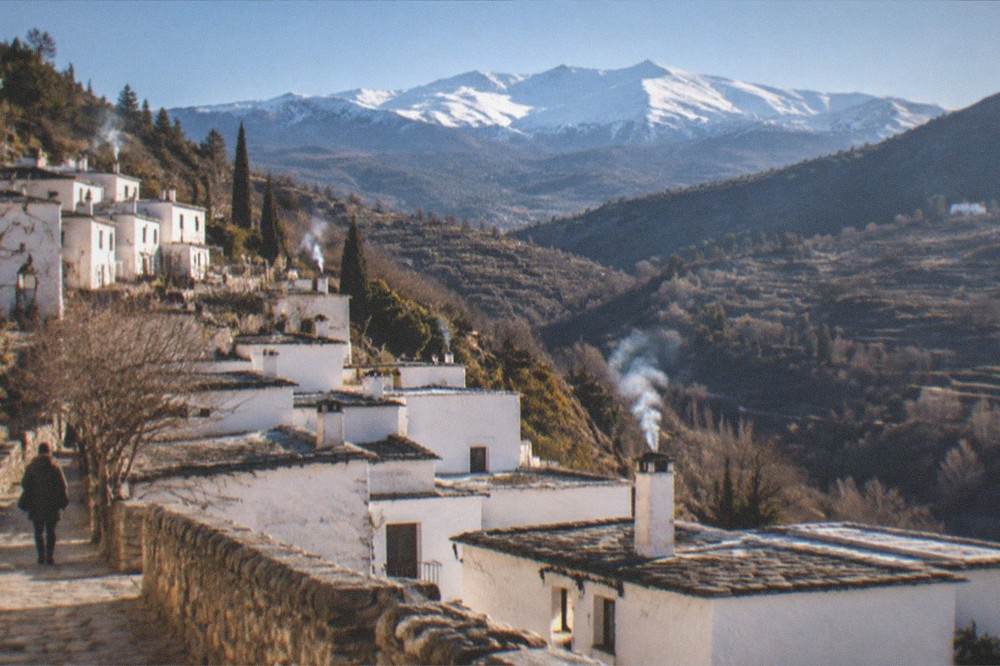
The Alpujarras are the terraced valleys and whitewashed villages that spill down the southern slopes of the Sierra Nevada, the same mountains Granada city leans against. The Patronato de la Alhambra counted 2,726,861 visitors at the Alhambra in 2025, a number close to the monument's own annual ceiling, and a fair share of those visitors eventually ask the same question: what is out there beyond the palace walls? The answer, an hour or so south and east of the city by winding mountain road, is one of the quietest and most distinctive landscapes in Andalusia. Flat-roofed houses, dry-stone terraces, irrigation channels running along paths, and chestnut and almond groves climbing toward peaks that hold snow long after the city has warmed up. This guide from Things To Do In Granada covers which villages to see, how to get there, when to go, and how to weigh a guided tour against driving yourself.
What Are The Alpujarras?
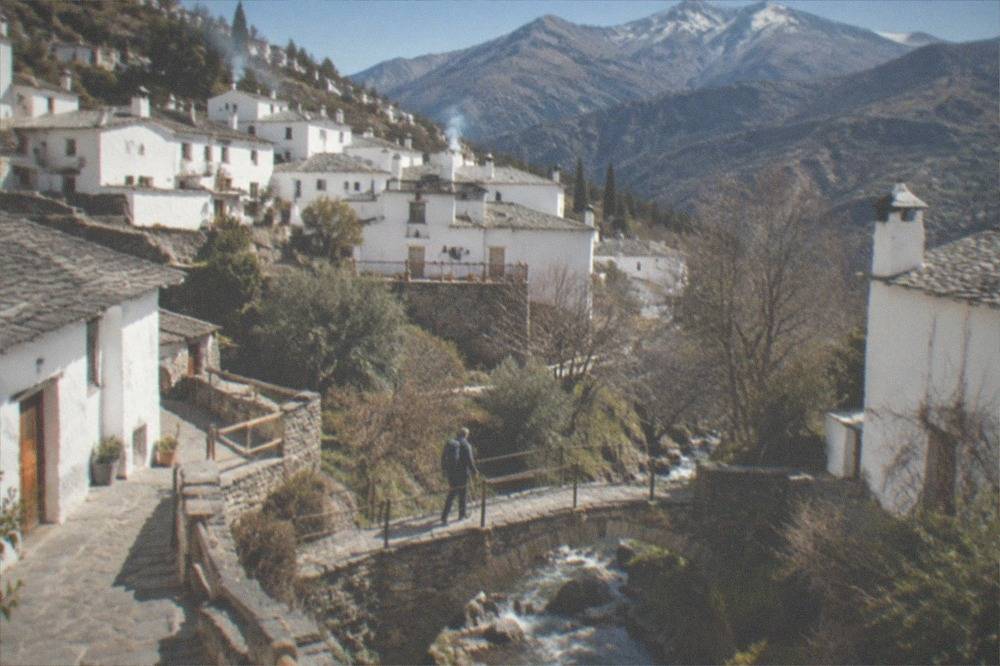
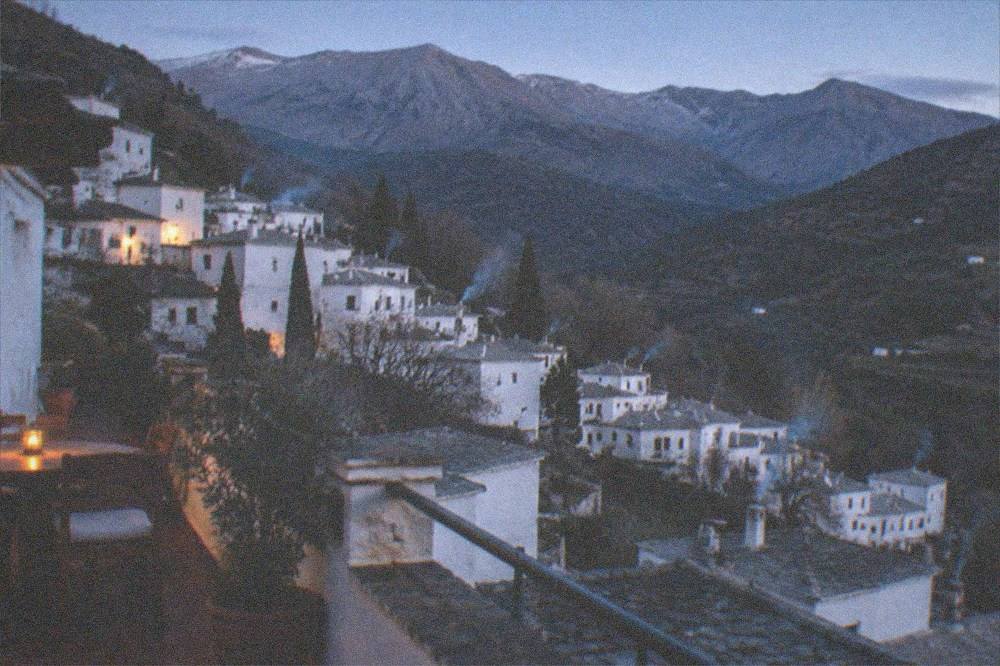
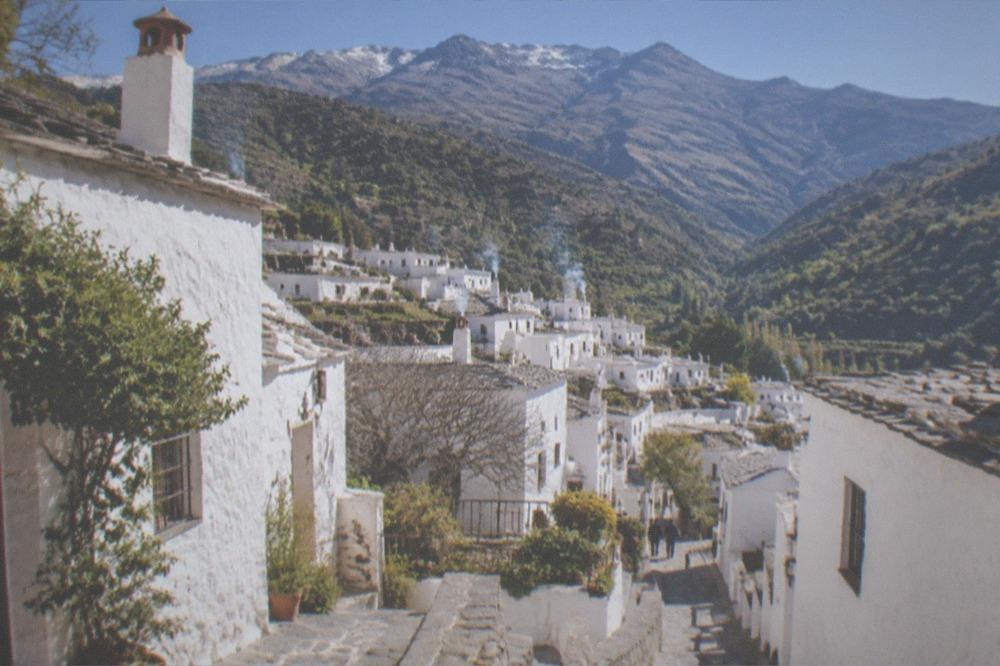
The Alpujarras are a region of some fifty or so villages on the southern slopes of the Sierra Nevada in the provinces of Granada and Almeria, known for flat-roofed Berber-style architecture, terraced smallholdings and a network of old irrigation channels. The villages sit at altitudes that climb steadily from the valley floors toward the high peaks, which keeps them noticeably cooler than Granada city in summer.
The region was the last stronghold of the Nasrid population after the fall of Granada, and the Morisco rebellion was centred here before its suppression and the expulsion that followed. Later, families from the north moved in, and the villages kept a mixed inheritance: the flat clay roofs and the acequias, the irrigation channels, are the clearest mark of the earlier era. The writer Gerald Brennan fixed the region in the English-speaking imagination with his books on life in the villages, and his former home area around Yegen still draws readers today.
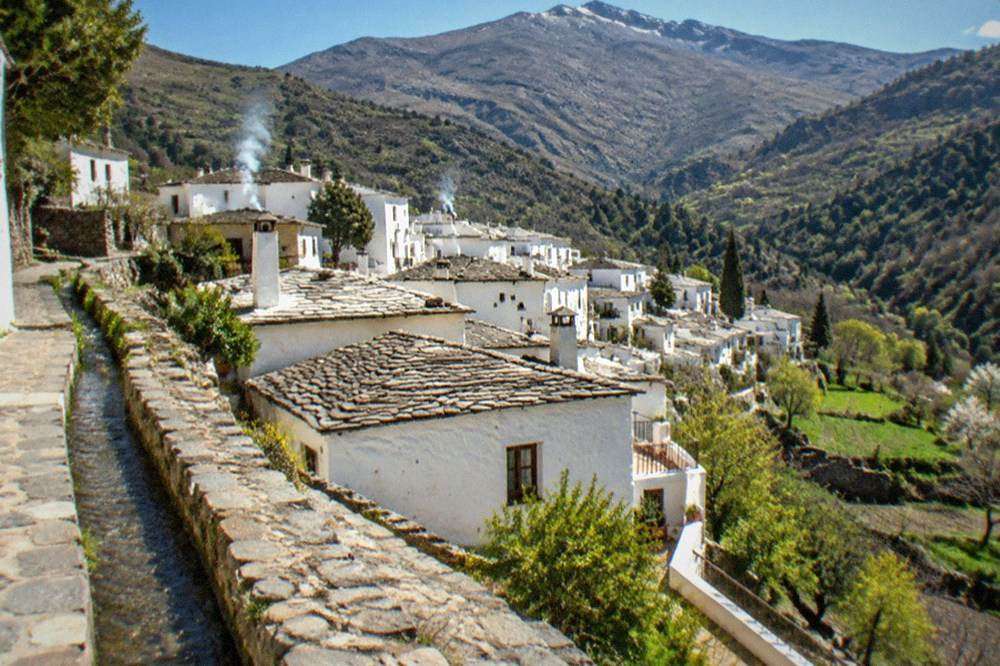
The landscape explains the architecture. Snowmelt from the high Sierra Nevada feeds the acequias, the channels distribute it across the terraces, and the flat roofs shed winter rain while doubling as drying floors for the harvest. Almonds, chestnuts, figs and, more recently, the wine grapes of the Contraviesa slope are the traditional crops. Walking between villages along the terraces, rather than driving the road, is the way the region rewards a slower pace.
For planning purposes the Alpujarras fall naturally into two halves: the western Barranco de Poqueira, the gorge holding the three famous villages of Pampaneira, Bubion and Capileira, and the wider La Taha district further east. Most day trips from Granada concentrate on the Poqueira gorge because it is the closest cluster to the city and packs three villages into a short stretch of road.
Which Villages Should You Visit On An Alpujarras Day Trip From Granada?
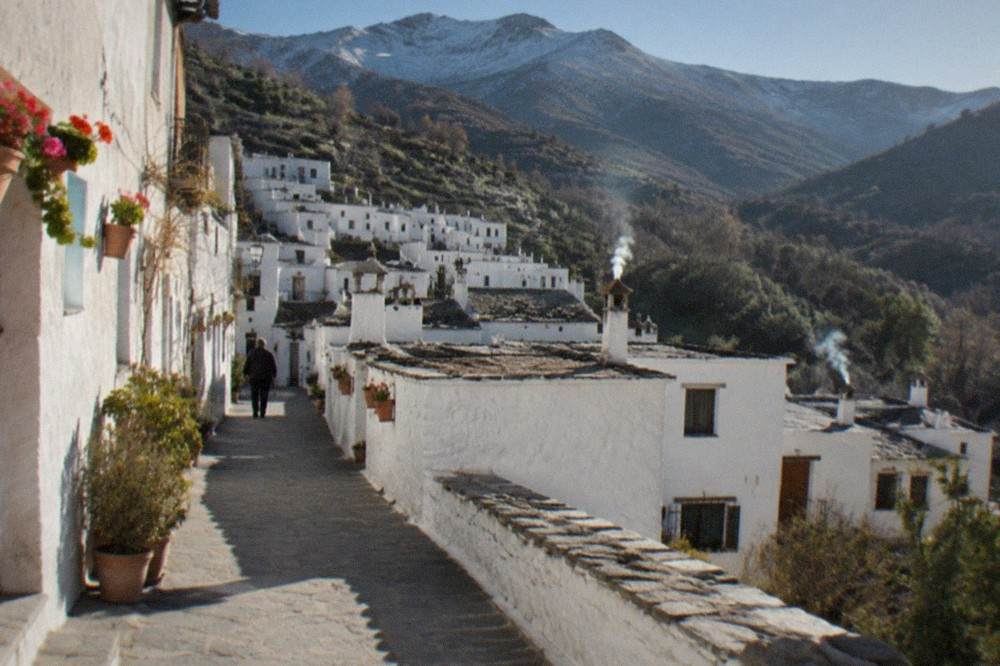
Pampaneira, Bubion and Capileira, the three villages stacked up the Poqueira gorge, are the core of almost every Alpujarras day trip from Granada, and a day can comfortably cover all three plus a viewpoint stop. Capileira, the highest of the three, is the starting point for walks toward the high Sierra Nevada, while Pampaneira at the bottom has the most compact old quarter. Adding a second area such as the La Taha villages is possible but tight in one day.
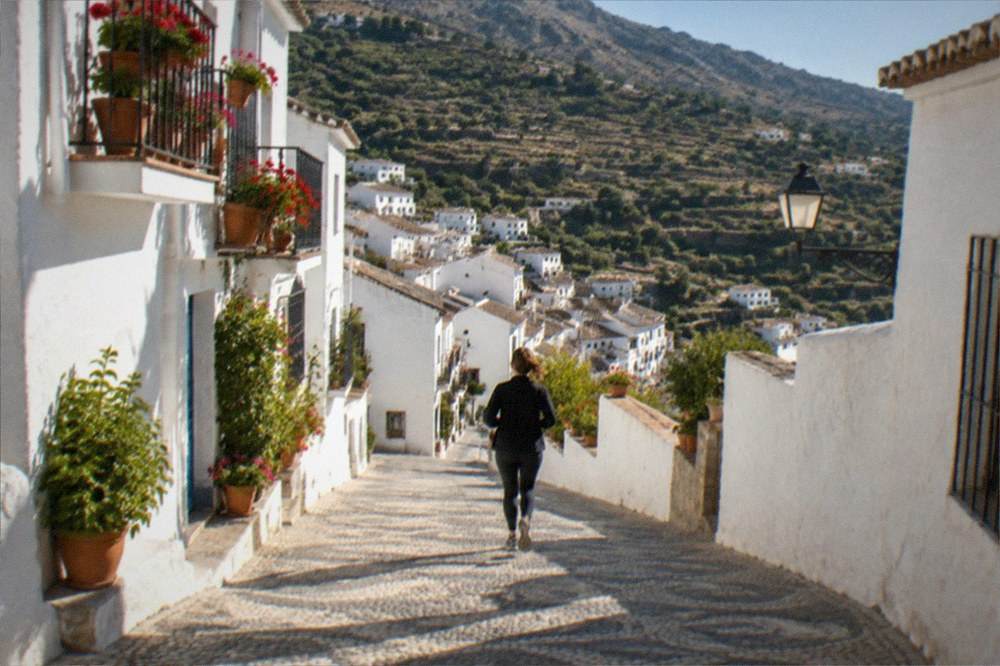
Pampaneira sits lowest of the three, and its steep little streets, chocolate workshop and weaving shops make it the classic first stop. Bubion, in the middle, has an ethnographic museum housed in a traditional dwelling, which is the quickest way to understand how the flat roofs, shared walls and chestnut-beam ceilings actually worked. Capileira, highest, spreads along a ridge with the gorge falling away below it, and its upper streets have the widest views back over the whole valley.
The order matters less than the pacing. These are small places; an unhurried walk through each takes an hour or so, and the road between them takes minutes. The temptation is to rush all three in a morning and then push on east, but the region's character is in the terraces between the villages, and a short walk out of Capileira along the irrigation channel path gives more of it than another drive.
If a second day or a long single day is available, the La Taha villages, including Ferreirola and Atalbeitar, continue the same architecture in a quieter, less touristed valley. Further east still, Trevelez is famous for its air-dried ham and claims to be one of the highest villages in Spain. These are realistic additions for an overnight or a very early start, but not for a relaxed day trip that also covers the Poqueira gorge.
| Village | Position In The Gorge | What It Is Known For | Realistic Stop Length |
|---|---|---|---|
| Pampaneira | Lowest of the three | Compact old quarter, chocolate and weaving shops | 1 to 1.5 hours |
| Bubion | Middle | Ethnographic museum in a traditional house | 1 hour |
| Capileira | Highest | Ridge-top views, walking access toward the high peaks | 1.5 to 2 hours |
| Ferreirola | La Taha district, further east | Quiet traditional village, fewer visitors | Half a day addition |
| Trevelez | Eastern Alpujarras | Air-dried jamon, high altitude | Best as an overnight or second-day stop |
The practical question for most visitors is whether to drive this loop or hand it to a guide, and both are legitimate answers. A guided tour removes the mountain-road driving and the village parking hunt, which on narrow streets in high season is a real consideration. The roster currently lists two Alpujarras day tours from Granada: the Alpujarra Mountain Villages Tour, from $81 per person and rated 4.6 from 344 reviews, and the Las Alpujarras Full-Day Tour with Optional Lunch, from $99 per person, rated 4.6 from 144 reviews and running about 8 hours. Both pages carry current dates and prices on the operator's live listing.
How Do You Get To The Alpujarras From Granada?
The Alpujarras are reached from Granada by road, either on a guided day tour with hotel pickup, by rental car via the A-44 and the A-346 toward Lanjaron and the Poqueira gorge, or by the limited regional bus services toward Orgiva and the villages. There is no train, and Metro de Granada serves neither the airport nor any route toward the mountains; it runs north-south through the city only. The drive to the Pampaneira-to-Capileira cluster is a winding mountain route best allowed a generous morning.
Driving yourself gives the most freedom and the most responsibility. The road climbs out of the Granada basin on the A-44 heading south, leaves the motorway around Lecrin or Lanjaron, and from Lanjaron onward is a single-carriageway mountain road with bends, occasional buses and, in the villages, streets that were built for donkeys rather than cars. The pack does not carry a verified door-to-door journey time for this specific route, so treat any figure quoted elsewhere as an estimate and check your own mapping before setting out. What is certain is that the last stretch is slow by design.
The bus option exists but is built around local life, not tourism. Regional services run from Granada toward Orgiva and on to some of the villages, with frequencies that can mean a very long wait for a return connection. For a day trip this is the least practical option unless the timetable happens to align, and timetables are exactly the kind of operational detail this site will not quote without a verified source. Check the current schedule with the operator before committing a day to it.
The guided option solves the driving and the timing in one stroke. The Alpujarra Mountain Villages Tour runs a full day from Granada from $81 per person, rated 4.6 from 344 reviews, and the Las Alpujarras Full-Day Tour with Optional Lunch, from $99 per person and rated 4.6 from 144 reviews, covers roughly the same ground with a lunch stop. The listing pages carry the exact pickup points and current dates.
| Way To Go | Freedom | Driving Required | Best For | Verified Price Point |
|---|---|---|---|---|
| Guided day tour | Low to medium | None | First visits, no-car travellers | From $81 per person on the listing |
| Rental car | High | Yes, mountain roads | Repeat visitors, photographers | Check the live rental price |
| Regional bus | Low | None | Slow travel, timetable-checkers | Check the operator's current fares |
One caution that belongs in any Alpujarras planning conversation: the same mountains that make the villages attractive make the roads weather-sensitive. In winter, snow can close or chain-require the higher stretches even when Granada city sits under a mild sky. Sierra Nevada's ski season dates are not officially confirmed this far ahead either, so never plan around a specific published opening or closing date; the pattern is typically late November to early or mid-April, weather dependent, and the official resort site is the place to check for the season's confirmed dates.
What Is There To Do In The Alpujarras Besides Walking Between Villages?
Beyond village wandering, the Alpujarras offer walking routes along the acequias and between villages, workshops selling the region's hand-woven rugs and jarapas, chocolate and cheese producers open to visitors, and access points toward the high Sierra Nevada for anyone wanting a serious mountain day. The region is also a food destination in its own right, with jamon from Trevelez, local wine from the Contraviesa slope and almond-based sweets sold in the villages.
The walking is the quiet headline. The paths between Pampaneira, Bubion and Capileira follow the contours of the gorge, mostly along or beside the irrigation channels, and they are short enough to combine into a half-day loop. The terrain is kinder than the high peaks but it is still mountain country: proper shoes, water and a check of the forecast, because mountain weather changes faster than the city forecast suggests.
For visitors who want a guided mountain experience nearer Granada itself, the Los Cahorros hike in the Monachil gorge on the Sierra Nevada's western edge is the roster's most popular option, from $52 per person, rated 4.9 from 1,046 reviews and running about four hours of walking with hanging bridges, caves and waterfalls. It is not in the Alpujarras, but it pairs the same mountain scenery with a shorter commitment, and the Los Cahorros guide covers it in detail.
Higher still, the roster's Sierra Nevada hiking options include a guided adventure up to 3,000 metres, from $67 per person and rated 4.9 from 420 reviews, with around five hours of walking. That is a different kind of day from the Alpujarras, and the Sierra Nevada hiking guide separates the two properly. In winter the same massif becomes a ski resort, and the Sierra Nevada skiing guide covers that season, whose 2026-2027 dates are not yet officially confirmed.
Back down in the villages, the shopping is genuinely local rather than imported: the jarapa rugs woven on hand looms, pottery in the village styles, honey from the high terraces, and the chocolate workshop in Pampaneira. Food is the other draw. Restaurant menus across the gorge lean on mountain produce: chickpea stews, trout from the mountain streams, cured meats and the almond-and-honey sweets that appear in every village bakery. Prices vary by village and season, so treat menu figures as things to check on the day rather than numbers to plan around.
When Is The Best Time To Visit The Alpujarras?
Spring and autumn are the best months for an Alpujarras day trip: April, May, June, September and October combine comfortable walking temperatures with the clearest views of the high Sierra Nevada. Summer is the busiest and hottest season at valley level, though the villages stay cooler than Granada city, and winter offers quiet lanes and snow on the peaks but brings a real risk of ice and closures on the higher roads.
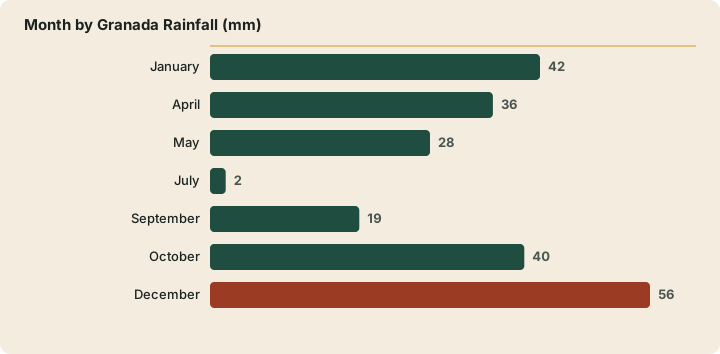
The only climate figures this site quotes are AEMET's official normals for the Granada Aeropuerto station, 1981-2010, and they describe the city basin rather than the mountains. Even so they set the frame: Granada's July average high is 34.8C with just 2mm of rain, while January averages 13.0C high and 0.0C low with 42mm of rain. The villages of the Poqueira gorge sit hundreds of metres higher, so expect the village temperatures to run cooler than these city figures in every season, and the high paths cooler still.
| Month | Granada Avg High (C) | Granada Avg Low (C) | Granada Rainfall (mm) | Alpujarras Character |
|---|---|---|---|---|
| January | 13.0 | 0.0 | 42 | Quiet, snow on the peaks, possible icy roads |
| April | 20.6 | 6.0 | 36 | Spring blossom, good walking |
| May | 25.0 | 9.4 | 28 | Prime season, clear summit views |
| July | 34.8 | 15.7 | 2 | Hot in the city, cooler in the villages, busiest lanes |
| September | 29.4 | 12.8 | 19 | Warm and settled, harvest atmosphere |
| October | 23.2 | 8.7 | 40 | Autumn colour in the chestnuts, quieter |
| December | 13.4 | 1.7 | 56 | Festive quiet, snow-capped backdrop, check roads |
Two seasonal notes matter more here than the raw temperatures. First, the almond blossom in late winter and early spring transforms whole hillsides and is a draw in its own right, though the exact blossom window shifts with the year's weather. Second, festival dates shift the character of a visit: Cruces de Mayo in 2026 falls over 1-3 May, and Semana Santa 2026 runs approximately 29 March to 5 April, both of which add crowds to Andalusian roads generally, including the mountain routes.
How Long Should You Spend In The Alpujarras?
A full day is the realistic minimum for the Poqueira gorge villages from Granada, and that is what the guided tours on the roster are built around: the Las Alpujarras Full-Day Tour runs about 8 hours, and the Alpujarra Mountain Villages Tour is likewise a full-day format. Two days allow the La Taha district or Trevelez to be added without rushing, and an overnight in a village guesthouse is the way to see the region at its quietest.
The arithmetic of a day trip is simple: a generous drive up, three villages at an unhurried pace, a proper lunch, and a generous drive back. Squeeze in a fourth area and something gives, usually the lunch or the walking. The full-day tours price this trade honestly, with the lunch-inclusive option from $99 per person, rated 4.6 from 144 reviews.
For travellers fitting the Alpujarras into a wider Granada stay, the honest comparison is against the other day trips on this site. The day trips from Granada guide lays out the full menu: Cordoba and Seville for the great monuments, Ronda for the gorge, Nerja and Frigiliana for the coast, Guadix for the cave houses, and the Sierra Nevada for snow and hiking. The Alpujarras is the pick for landscape, food and quiet, and the weakest pick for headline sights, so it earns its place best on a second or third Granada day.
If the answer to "how many days" is still open, the one day in Granada itinerary shows what the city itself demands first: the Alhambra alone needs its timed Nasrid Palaces slot, and the General ticket at EUR 22.27 routinely sells out one to two months or more ahead in peak season, with online sales closing at 23:59 the day before the visit. Nobody should trade a booked Alhambra slot for an Alpujarras day; the mountain villages are always there, the Nasrid Palaces slot is not.
Is An Alpujarras Tour Worth It Compared To Going Independently?
A guided Alpujarras tour is worth it for first-time visitors without a car, for anyone uncomfortable driving mountain roads, and for travellers who want the villages explained rather than just seen; the two roster tours run from $81 and $99 per person. Going independently by rental car wins for photographers, slow travellers and anyone who wants to stop where a viewpoint strikes them, at the cost of doing all the driving and parking themselves.
The tour case rests on three things the road does not forgive. The drive is demanding enough that a driver sees less of the scenery than the passengers. The villages have limited parking that fills in high season. And the region's history, from the Morisco rebellion to the irrigation law that still governs the acequias, is easy to walk past without a guide. The Alpujarra Mountain Villages Tour, from $81 per person and rated 4.6 from 344 reviews, covers the villages with a guide who handles all three. The listing carries current dates and pickup points.
The independent case rests on freedom. The Poqueira gorge is not hard to find, the villages are walkable without a guide, and a car lets you linger for the evening light, which is when the tours are already back on the motorway. The compromise many travellers land on: drive up one day, or take the tour, and save the deeper exploration for a return trip.
| Option | From (Per Person) | Rating On The Listing | Length | Best Fit |
|---|---|---|---|---|
| Alpujarra Mountain Villages Tour | $81 | 4.6 from 344 reviews | Full day | No-car travellers, first visits |
| Las Alpujarras Full-Day Tour with Optional Lunch | $99 | 4.6 from 144 reviews | About 8 hours | Visitors who want lunch handled |
| Rental car, self-guided | Live rental price | Not applicable | Your schedule | Photographers, repeat visitors |
There is also a middle path worth naming: a private guide in the city itself before or after the mountain day. The Granada Albaicin and Sacromonte Exclusive Walk, from $80.13 per person and rated 4.6 from 9 reviews, runs about two and a half hours in the old town, and pairs well with an Alpujarras day as a way to connect the mountain architecture with its city cousin in the Albaicin. The same flat roofs and shared walls that hold the terraces together in the gorge shape the oldest houses across the river from the Alhambra.
What Should You Pack For An Alpujarras Day Trip?
Pack for two climates in one day: strong sun protection and a water bottle for the exposed terraces, a warm layer for the altitude, and proper walking shoes for the village lanes and acequia paths, which are stone, uneven and occasionally wet. In winter add a waterproof and check the road conditions before setting out, since snow on the higher stretches can affect both driving and walking plans.
The altitude gap between Granada city and the upper villages means a day can start warm and end with a cold wind off the peaks. AEMET's normals show the city's January average low at 0.0C and its July average high at 34.8C; the villages run cooler than the city in summer and at least as cold on winter evenings. Layers are the whole strategy, and the sun is stronger than the temperature suggests because the air is thin and the light bounces off whitewash.
The shoes deserve their own sentence. Village streets are cobbled or stone-slabbed, often sloping, and the acequia paths are dirt and rock with water crossings. City trainers will survive; ankles will not enjoy them. Beyond that, the practical kit is short: cash for the smaller village shops, a paper map or offline mapping for the stretches without signal, and a bag for the honey, rugs and chocolate that fill the car on the way home.
Is The Alpujarras Worth Visiting At All?
The Alpujarras are worth visiting for travellers who have seen or booked Granada's headline sights and now want landscape, food and quiet rather than another monument; the region offers a side of Andalusia that neither the Alhambra nor the coast can supply, and the guided tours' ratings, 4.6 from 344 and 144 reviews respectively, suggest most visitors are glad they went. Visitors chasing big-ticket architecture should prioritise the city first.
The honest test is what a day there competes against. Within Granada, the Alhambra, the Cathedral at EUR 10 individual during the 2026 Kerygma exhibition (dropping to EUR 7 from 29 November 2026) and the Royal Chapel at EUR 7 individual are all closer and all unmissable. Beyond the city, Cordoba and Seville hold monuments of international rank. The Alpujarras holds none of that, and offers something else entirely: a working mountain landscape that looks the way it has looked for centuries, an hour's drive from a major tourist city.
For the undecided, the is the Alpujarras worth visiting answer page makes the case in short form, and the wider Sacromonte and cave-district pages show how the same mountain culture lives inside Granada itself. Travellers who have already fallen for the region's food should also read the free-tapas pages before leaving the city, since the drink-with-a-tapa custom remains widely upheld in traditional Granada bars, though it is a local practice rather than a guarantee at every counter.
Common Questions About The Alpujarras
What are the Alpujarras?
The Alpujarras are a region of around fifty villages on the southern slopes of the Sierra Nevada in the provinces of Granada and Almeria, known for flat-roofed Berber-style houses, terraced fields and old irrigation channels, with the most visited cluster being Pampaneira, Bubion and Capileira in the Poqueira gorge.
How do you get to the Alpujarras from Granada?
By road only: a guided day tour with pickup, a rental car via the A-44 and the mountain road toward Lanjaron, or limited regional bus services toward Orgiva and the villages. There is no train, and the Metro de Granada serves neither the airport nor any route toward the mountains.
Which Alpujarras villages should you visit in one day?
Pampaneira, Bubion and Capileira, the three villages of the Poqueira gorge, are the standard and realistic one-day itinerary from Granada, with Capileira offering the widest views and the walking access toward the high peaks.
When is the best time to visit the Alpujarras?
Spring and autumn, roughly April, May, June, September and October, for walking weather and clear views of the snow-capped Sierra Nevada. Summer is hottest and busiest, though the villages sit cooler than Granada city, and winter brings quiet lanes but a real risk of ice and closures on the higher roads.
Is an Alpujarras tour worth it?
For first-time visitors without a car, or anyone unwilling to drive mountain roads, yes: the roster's guided tours run from $81 per person, rated 4.6 from 344 reviews, and from $99 per person with an optional lunch, rated 4.6 from 144 reviews. Photographers and repeat visitors often prefer the freedom of a rental car.
Can you walk between the Alpujarras villages?
Yes, and it is the best way to see the region. The paths between Pampaneira, Bubion and Capileira follow the gorge contours and the irrigation channels, are short enough to combine into a half-day loop, and need proper walking shoes, water and a weather check.
The Alpujarras ask for a full day, a slow pace and shoes that can handle stone, and they repay all three with a version of Andalusia that the Alhambra crowds never see. Book the palace slot first, then let the mountains have the spare day.