Are The Sacromonte Caves Worth Visiting?
Are the Sacromonte caves worth visiting? A straight answer on Granada's cave flamenco shows, the cave museum, prices and how to plan a visit.
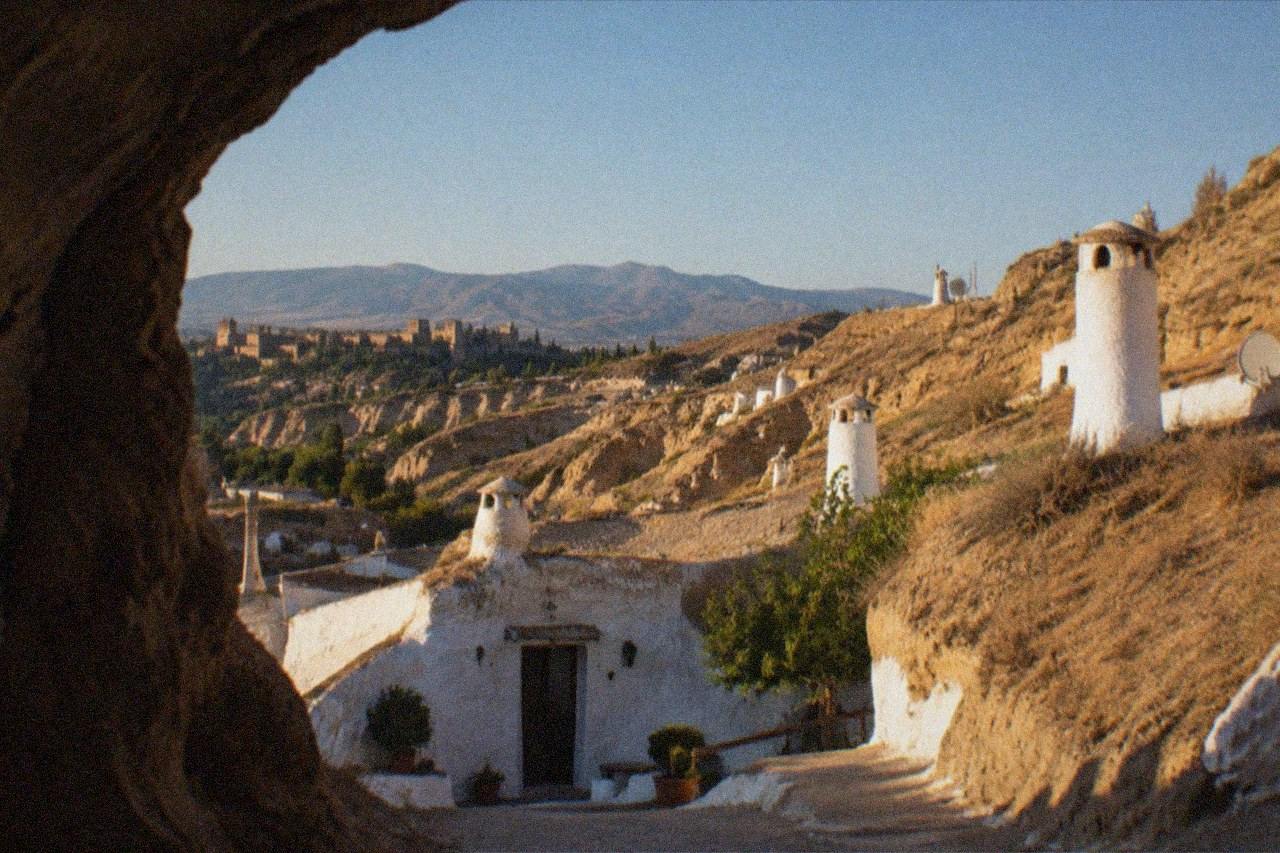
The Sacromonte hillside holds something Granada's grander monuments cannot offer: rooms carved directly out of the rock, some still lived in, some turned into flamenco stages and museums. The quarter sits opposite the Alhambra across the Darro valley, and its cave houses have been a fixture of the city since Roma families settled the slope generations ago. The question most visitors ask is not whether the caves exist but whether they are worth the climb, and the honest answer depends almost entirely on which cave experience you choose, because a free wander past cave doorways and a ticketed flamenco show in a cave are two very different outings.
Are The Sacromonte Caves Worth Visiting?
Yes, for most visitors the Sacromonte caves are worth visiting, but the value sits in specific experiences rather than the slope as a whole. A cave flamenco show is one of Granada's most memorable nights out, and the Sacromonte Cave Museum explains how an entire community lived inside the rock. A quick walk up with no ticket and no show, though, risks leaving you hot, tired and wondering what the fuss was about. Pick one or two cave experiences and the visit earns its place.
The distinction matters because the word "caves" covers three separate things. First there are the private cave homes, some of which are still residences today, as the question of whether people still live in the Sacromonte caves makes clear: they do, and their doorways are not tourist attractions. Second there is the Sacromonte Cave Museum, a set of reconstructed cave dwellings that shows how the quarter's families actually lived. Third there are the cuevas de flamenco, the cave venues that host zambra and flamenco performances, some of them running commercially for decades. Treating the hill as one attraction is the mistake; treating it as a small district with a handful of distinct, ticketed experiences is the way to plan it.
Context helps too. UNESCO inscribed the Alhambra and Generalife in 1984 and extended the listing in 1994 to include the Albaicin, the quarter directly across the valley, and the Sacromonte slope forms part of the same historic landscape that visitors photograph from the Mirador de San Nicolas. The caves are not a theme park. They are a living neighbourhood with a museum and performance venues attached, and the best visits treat them that way.
What Is Actually Inside The Sacromonte Caves?
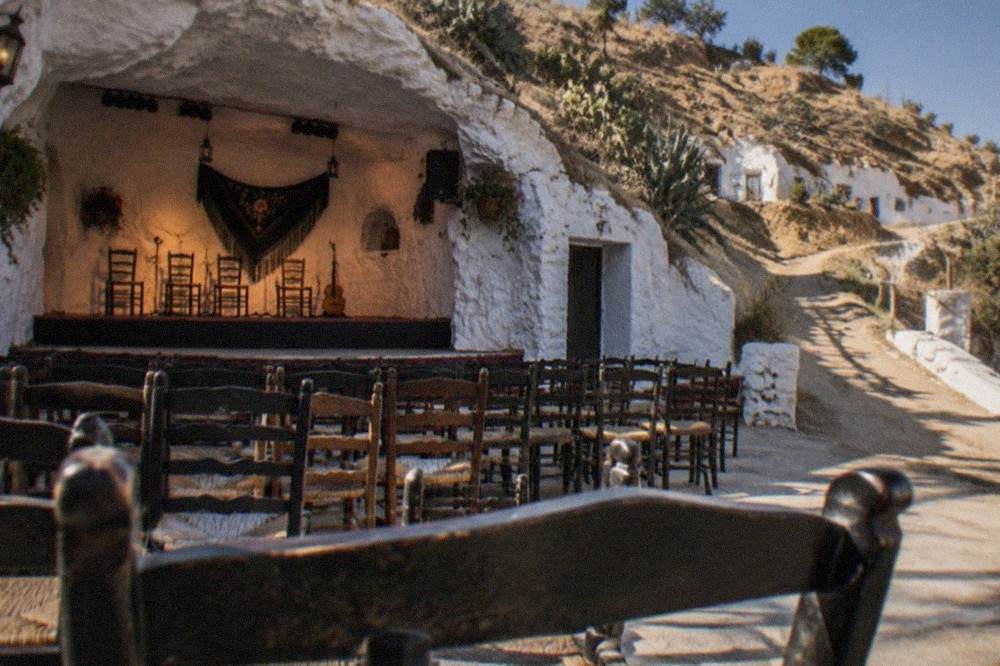
The Sacromonte caves hold three kinds of interior: reconstructed family dwellings in the Sacromonte Cave Museum, private homes still occupied today, and flamenco venues running performances most nights of the week. The museum caves show kitchens, bedrooms and workshops furnished as they were when families lived in them, with the niche shrines and low ceilings typical of cave architecture. The flamenco caves are performance spaces with seating facing a small stage carved into the rock. Private homes are exactly that, and no tour enters them.
The museum is the part that surprises people. Cave living in Sacromonte was not a poverty stopgap but a way of life with real advantages: the rock keeps temperatures stable through Granada's hot summers, when AEMET's climate data shows average July highs of 34.8C, and its cold winters, when January average lows sit at 0.0C. A cave stays noticeably cooler than a whitewashed house in August and warmer in January, which is precisely why families dug them.
The flamenco venues tell a different story. Zambras, the local form of flamenco associated with Sacromonte's Roma families, were performed in these caves long before they became ticketed shows, and the tradition is the reason the quarter is famous across Spain. The performances today range from small, family-run cuevas to larger commercial operations, and the difference between them is the single biggest factor in whether a visitor leaves delighted or underwhelmed.
Which Sacromonte Cave Experience Should You Choose?
For a first visit, choose one performance and one viewpoint: the Los Amayas cave flamenco show in Sacromonte, rated 4.7 from 1,706 reviews, is the most-reviewed cave performance, while the Albaicin and Sacromonte guided sunset walking tour, rated 4.9 from 3,533 reviews, covers the walk up and the views in one 2.5-hour outing. Visitors with more time should add the Sacromonte Cave Museum for the history. Doing all three in one evening is possible but rushed, so pick two and enjoy them.
Here is how the main options compare, using the figures published on each operator's live listing:
| Experience | Type | From (per person) | Rating | Duration |
|---|---|---|---|---|
| Albaicin and Sacromonte guided sunset walking tour | Guided walk | $17 | 4.9 (3,533 reviews) | 2.5 hours |
| Los Amayas cave flamenco show in Sacromonte | Cave flamenco | $28 | 4.7 (1,706 reviews) | Evening show |
| Granada in full: Historic Centre, Albaicin and Sacromonte | Guided walk | $23 | 5.0 (28 reviews) | Half-day walk |
| Flamenco show in a cave restaurant | Cave flamenco with dinner option | $35 | 4.4 (686 reviews) | 1.5 hours |
| Sacromonte and Albaycin neighbourhoods walking tour | Guided walk | $50 | 4.6 (141 reviews) | 2.5 hours |
The pairing logic is simple. The sunset walk handles the geography: Sacromonte is a climb, and arriving on foot from the city centre with a guide means you learn the quarter's history on the way up rather than panting through it alone. The flamenco show handles the evening. Between them they cover the two things the caves do best, atmosphere and performance, without overloading a single night.
If flamenco is the reason you are asking the question, read the companion piece on whether there is a flamenco show in the Sacromonte caves in Granada before booking, because the venues differ in style, size and how traditional the performance is. And if the question behind the question is whether Granada as a whole justifies the trip, the answer on whether Granada Spain is worth visiting covers that in depth.
When Is The Best Time To Visit The Sacromonte Caves?
Late afternoon into evening is the best window, because the sunset walk catches the quarter in golden light and the flamenco shows run afterwards, letting you do both in one trip up the hill. Spring and autumn suit the visit best: AEMET's normals show May averaging a 25.0C high and October 23.2C, while July and August average 34.8C and 34.2C, making the midday slope punishing. Winter visits work too, with January highs of 13.0C, but book shows ahead in every season.
The timing advice is really heat advice. The walk from the city centre up through the Albaicin and into Sacromonte is exposed in places, and Granada's summer afternoons are genuinely hot, not just warm. A 7pm start in July means you climb as the sun drops behind the Alhambra and arrive for a show as the air cools. In spring and autumn an earlier start is fine and gives you more daylight to see the cave facades themselves, which are worth a slow look: the whitewashed fronts with carved wooden doors are the quarter's signature image.
Festival dates change the calculus. Semana Santa processions pass through the wider city in 2026 roughly between 29 March and 5 April, and Cruces de Mayo runs 1-3 May, both periods when the city is busy and cave shows sell out faster than usual. Corpus Christi, with its main procession around 4 June 2026, is another peak. None of these make the caves a bad visit, but they make advance booking more important, and the question of how many days in Granada is enough deserves a longer answer during festival weeks.
What Do The Sacromonte Caves Cost, And How Long Do They Take?
A full Sacromonte evening costs from roughly $28 per person for the Los Amayas cave flamenco show, or from $17 per person for the guided sunset walking tour, both figures taken from the operators' live listings rather than fixed prices. A combined walk-plus-show evening therefore starts around $45 per person before food or drinks. The Sacromonte Cave Museum's entry price is not published in this site's verified research, so check the museum's own page before visiting.
Allow 2.5 hours for the walk and about 1.5 hours for a show.
Budgeting honestly matters here, because Sacromonte is one of those quarters where it is easy to spend an evening's money twice. The walk is cheap and the show is not, and adding dinner pushes the night higher still. The cave restaurant flamenco option at $35 per person bundles food and performance, which suits visitors who want one booking instead of two, though its 4.4 rating from 686 reviews sits below the dedicated Los Amayas show. Granada's free tapas custom softens the food bill in the right direction: in many traditional bars a drink order comes with a complimentary small plate, a practice widely upheld as of 2026, though portions and pricing vary by venue and it is not guaranteed everywhere.
A sample evening budget for two people, using listing prices and typical local practice:
| Item | Basis | Planning figure (per person) |
|---|---|---|
| Guided sunset walk, Albaicin and Sacromonte | Tour listing, from price | $17 |
| Cave flamenco show, Los Amayas | Tour listing, from price | $28 |
| Cave restaurant flamenco with meal | Tour listing, from price | $35 |
| Pre-show drinks with free tapas | Widely upheld local custom, varies by bar | Cost of drinks only, check the room |
| Sacromonte Cave Museum entry | Not in this site's verified research | Check the museum's own page |
The hours question has a second layer: how long the whole visit takes. The walk up from the centre, time among the cave facades, a museum stop and a show together fill an entire late afternoon and evening, which is why this site's guide to two days in Granada puts Sacromonte in the evening slot rather than trying to squeeze it between the cathedral and the Alhambra. Trying to do the caves as a quick lunchtime stop wastes them; the quarter rewards the hours after the day-trippers have gone.
For visitors who want a guide to carry the whole evening, the sunset walking tour is the one to anchor on, and you can Check availability on the operator's live listing alongside the site's Sacromonte area guide.
Common Questions About The Sacromonte Caves
Are the Sacromonte caves worth visiting?
Yes, for most visitors, provided you pick a specific experience: a cave flamenco show or the Sacromonte Cave Museum rather than an unguided wander. The walk up is rewarded with some of the best views of the Alhambra from the Albaicin side of the valley.
Do people still live in the Sacromonte caves?
Yes, some caves remain private homes today, and their doorways should be treated as residences rather than attractions. The fuller answer is on this site's page about whether people still live in the Sacromonte caves.
Is there a flamenco show in the Sacromonte caves?
Yes, several venues run flamenco and zambra performances in the caves most evenings. The Los Amayas show, rated 4.7 from 1,706 reviews, is among the most reviewed, and a cave restaurant option bundles a show with a meal.
Is Sacromonte worth visiting on its own, without the Albaicin?
It can be, but the two quarters work best together, since the walk between them is short and the views run in both directions. This site's page on whether Sacromonte Granada is worth visiting covers the standalone case.
How long should I allow for the Sacromonte caves?
Allow 2.5 hours for the guided sunset walk or an unguided equivalent, plus about 1.5 hours for a flamenco show if you book one. A museum stop adds roughly an hour, so a full evening runs four hours or more.
The verdict, in the end, is straightforward: the caves are worth visiting when you visit them for something, a show, a museum, a guided walk in the right light, and worth skipping only if the alternative is a hurried daytime dash between bigger monuments. For more on planning the rest of the city, see what not to miss in Granada and the wider coverage on Things To Do In Granada.