What Not To Miss In Granada?
The unmissable sights of Granada, Spain: the Alhambra and Nasrid Palaces, the Albaicin, Mirador de San Nicolas, cave flamenco in Sacromonte and the free-tapas tradition, with verified prices and planning facts.
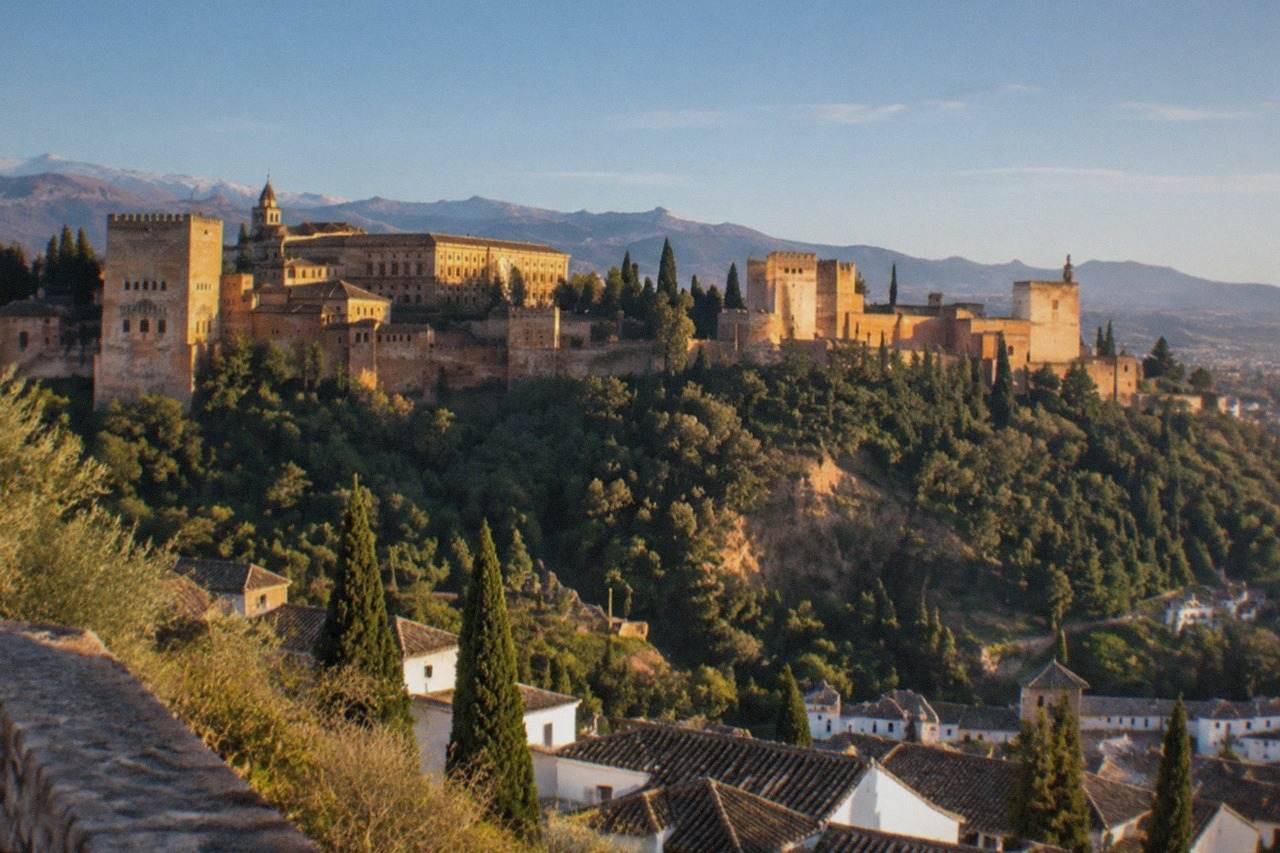
Granada received 2,726,861 visitors at the Alhambra alone in 2025, a figure the Patronato de la Alhambra's own annual report puts close to the monument's annual capacity ceiling. That single number explains the shape of any answer to this question: the city's headline attraction is genuinely capacity-limited, and the rest of the list, the Albaicin, Sacromonte, the tapas bars, is what you do around the booking you had to make weeks in advance. This page walks through what not to miss in Granada in the order a visitor actually encounters it, with the verified prices and the sell-out realities attached.
What Not To Miss In Granada?
The five things not to miss in Granada are the Alhambra and its Nasrid Palaces, the Albaicin quarter with the view from Mirador de San Nicolas, a cave flamenco show in Sacromonte, the free-tapas bar tradition, and the walk along Carrera del Darro between the Alhambra and the old city. Everything else, the Cathedral, the Royal Chapel, the hammams, is a strong second tier that fills the time around those five.
The order matters less than the booking does. Four of the five are free or pay-on-arrival; only the Alhambra requires advance planning, and it is the one that fails a trip when it is left too late. The Alhambra, Generalife and Albaicin share a single UNESCO World Heritage listing, inscribed in 1984 and extended in 1994 to include the Albaicin quarter, which is a useful reminder that the hill opposite the palace is not scenery but half the reason the city is on the list at all.
For anyone deciding how long to stay, how many days in Granada is enough matters here: one day covers the Alhambra and a viewpoint sunset, two days cover the whole list without rushing.
Why The Alhambra And Nasrid Palaces Come First?
The Alhambra comes first because it is the only item on the list that can sell out before you arrive: a General ticket costs EUR 22.27 on the official site, daily capacity is roughly 6,600 to 7,000 visitors, and the Nasrid Palaces are capped at about 300 people per half-hour slot. In peak season the General ticket routinely sells out one to two months ahead, and online sales close at 23:59 the day before your visit.
The Patronato de la Alhambra's own ticket page states the current prices, and they are worth knowing before you look at resellers: the General daytime ticket at EUR 22.27 covers the Nasrid Palaces, the Alcazaba and the Generalife; a gardens-only daytime ticket is EUR 12.73; night visits run at EUR 12.73 for the Nasrid Palaces and EUR 8.48 for the night gardens. A July 2025 press release announced lower prices, but the live official pages still show the higher figures, so treat EUR 22.27 as the number to budget.
Two rules catch visitors out. Nasrid Palaces tickets are nominative, photo ID is checked at the gate, and the half-hour entry window printed on the ticket is strictly enforced; the rest of the complex can be visited at any point that day. And under-12s enter free but still need a ticket for entry control.
| Alhambra ticket type | Official price | What it covers |
|---|---|---|
| General (daytime) | EUR 22.27 | Nasrid Palaces, Alcazaba, Generalife |
| Gardens, Generalife and Alcazaba | EUR 12.73 | Daytime visit without the Nasrid Palaces |
| Night visit, Nasrid Palaces | EUR 12.73 | Evening entry to the palaces only |
| Night visit, Gardens and Generalife | EUR 8.48 | Evening gardens circuit |
| Dobla de Oro General | EUR 30.48 | Alhambra plus Andalusi monuments in the city |
If the date you want is already gone, what if Alhambra tickets are sold out lays out the realistic fallbacks, including guided-tour inventory that includes entry. A private option such as the Alhambra, Nasrid Palaces, Generalife & Alcazaba Private Tour bundles a guide with secured access, which is one way around a thin ticket market in high season.
Why The Albaicin And Mirador de San Nicolas Are Unmissable?
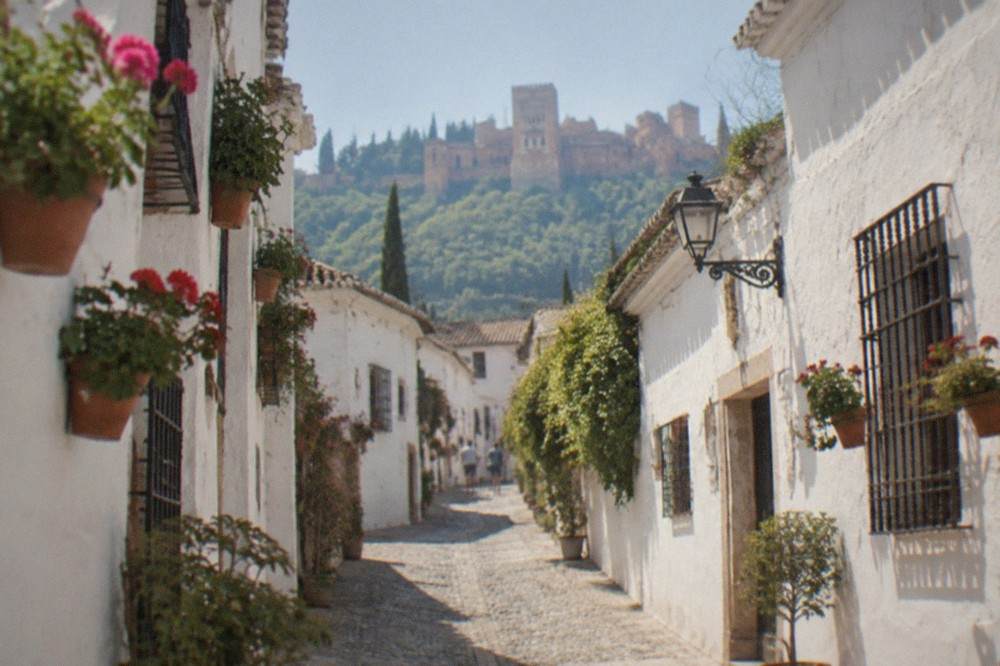
The Albaicin is unmissable because it is the second half of Granada's UNESCO listing and it holds the single most famous view in Andalusia: the Mirador de San Nicolas, where the Alhambra and the Sierra Nevada line up across the valley in one frame. The quarter itself is the surviving Moorish city, a web of white lanes, cisterns and carmenes that needs no ticket, no booking and no time slot, which makes it the natural counterweight to a scheduled Alhambra visit.
The practical way to see it is on foot from the city centre, up through the lanes to the mirador, then down again along Carrera del Darro, the riverside street that runs between the Alhambra hill and the Albaicin. Carrera del Darro is the walk that most visitors remember even when they cannot name it: the Darro river on one side, the Alhambra's towers above, bridges crossing at intervals, and at the end of it the Puerta de las Granadas leading up toward the palace.
Sunset is when the mirador fills up, and it fills up because the view is real, not marketed. AEMET's climate data explains the timing: Granada averages 34.8C highs in July with just 2mm of rain, so the sunset hour is also the hour the city becomes walkable again in summer. For timing a whole trip, what is the best month to visit Granada Spain works through the month-by-month numbers.
A guided walk changes what the Albaicin gives you. The lanes are unlabelled and the story of the quarter, who built it, who stayed after the Christian conquest of the city, why the carmenes have gardens, is not written anywhere on the walls. The Granada Beyond the Alhambra: a Nasrid Culture Walking Tour exists precisely for that gap, and it pairs well with a Sacromonte and Albayzin Neighbourhoods Walking Tour if you want both hill quarters covered in one structured outing.
Why Is Sacromonte's Cave Flamenco On The List?
Sacromonte is on the list because it is where flamenco in Granada is not a theatre product but a place: the quarter's cave houses, dug into the hillside and still partly inhabited, host nightly shows in rooms that hold a few dozen people, and the form performed there, the zambra, is a Granada tradition with its own history rather than an import from Seville. A cave show is also the cheapest headline experience in the city, with listings from around USD 28 per person.
The Sacromonte Cave Museum documents the quarter's actual past, the Roma families who settled the caves, the zambra weddings, the gradual conversion of dwellings into venues, and it is worth an hour before or after a show so the performance has context. Not every cave is a venue and not every venue is a cave, but the genuine ones put you close enough to see the dancers' footwork, which is the entire point of choosing Granada over a big-city tablao. The full index of guides sits on Things To Do In Granada.
The shows run late, which fits the city's rhythm: Granada dinners start after 21:00 in summer, and the walk back down into the Albaicin after a show, with the Alhambra lit across the valley, is the closing scene most visitors describe afterwards. For comparing the specific venues, which is the best flamenco show in Granada goes through the cave options in detail.
Why Do Free Tapas Make The List Over Better-Known Sights?
Free tapas make the list because the custom is unique among Spanish cities at this scale: in many traditional Granada bars, ordering a drink brings a complimentary small plate, often growing with each successive round, and the July 2026 reporting on the tradition confirms it remains widely upheld local practice in 2026. It is not a legal guarantee and some venues have adjusted portions or prices, but as a visitor experience it turns an ordinary bar crawl into a moving dinner for roughly the price of the drinks.
The honest framing matters. Nobody should promise a free plate in every bar in the city; the tradition lives in the traditional neighbourhood bars of the Realejo, the Albaicin and the streets off Plaza de la Trinidad, and thins out in tourist-oriented venues. What the custom does is structurally change an evening: instead of one booked restaurant, you move between three or four bars, and the food arrives with the round. Does Granada still do free tapas covers the current state of the custom, and what food is Granada famous for covers what actually lands on the plate.
| Unmissable | Cost | Booking reality |
|---|---|---|
| Alhambra and Nasrid Palaces | EUR 22.27 General | Sells out 1-2+ months ahead in peak season |
| Mirador de San Nicolas and Albaicin lanes | Free | No booking, busiest at sunset |
| Carrera del Darro walk | Free | No booking, best in morning light |
| Sacromonte cave flamenco | From around USD 28 on listings | Same-day often possible, weekends tighter |
| Free tapas bar route | Price of drinks | No booking, avoid pure tourist strips |
| Granada Cathedral | EUR 10 during Kerygma exhibition, EUR 7 from 29 Nov 2026 | Pay on arrival |
The Cathedral line in the table carries a date for a reason: the EUR 10 individual price applies during the Kerygma exhibition, which runs 8 May to 28 Nov 2026, and drops to EUR 7 from 29 Nov 2026. The adjacent Royal Chapel, where the Catholic Monarchs are buried, is EUR 7 individual and EUR 5 reduced. Both are strong second-tier sights, and the Royal Chapel in particular is the historical bookend to the Alhambra: the monarchs who completed the conquest of the city chose to be buried in it.
What Else Deserves A Slot In A Short Trip?
Beyond the headline five, the strongest extras are a hammam session, the Realejo quarter, and a view of the Sierra Nevada from the city, in that order. The hammams offer the closest experience to the Alhambra's own vanished bath culture, with sessions from around USD 51 on listings; the Realejo is Granada's third old quarter, quieter than the Albaicin and home to the Sacromonte-facing slopes; and the Sierra Nevada, snow-capped for much of the year, is visible from the miradors without leaving the city.
The hammam deserves its slot because it is the one experience that connects directly to the palaces you have just walked through. The Alhambra's Comares Palace had its own bath complex, and the commercial hammams operating today, including the Palacio Nazarí Hammam, run 90-minute circuits of hot, warm and cold pools in restored or recreation Andalusi settings. Sessions are timed and small, so this is the one "second-tier" item that also needs advance booking in high season.
The Granada Card is the arithmetic question that sits over several of these items at once: the pass costs EUR 60 for 72 hours or EUR 55 for 48 hours, effective 13 Nov 2025, and bundles the Alhambra with the Cathedral, the Royal Chapel, the Sacromonte Abbey and urban transport. Whether it beats individual tickets depends on how many second-tier monuments you will actually enter, and is the Granada Card worth it runs the numbers against the official entry prices.
For a Nasrid-layer experience beyond the standard palace circuit, the Granada Beyond the Alhambra: a Nasrid Culture Walking Tour traces the dynasty's footprint through the city's streets and surviving structures, led by a specialist guide, which is the kind of context the monument's own signage does not supply. Check availability
The three walks and tours below cover the same ground in different depths: the Nasrid culture walk for the history, the Sacromonte and Albayzin walking tour for both hill quarters in one outing, and the private Alhambra tour for the monument itself with a guide and secured entry.
Common Questions About What Not To Miss In Granada
The questions below are the ones this page's planning decisions hinge on, answered with the same verified figures used above. Each one repeats a detail that changes with dates or capacity, so the answer given is the one current to the official sources cited throughout this article.
What not to miss in Granada?
The Alhambra and Nasrid Palaces, the Albaicin with the Mirador de San Nicolas view, a cave flamenco show in Sacromonte, the free-tapas bar tradition, and the Carrera del Darro walk. Book the Alhambra first, everything else can be arranged on the ground.
Can you see the Alhambra without booking ahead?
Not reliably. Daily capacity is roughly 6,600 to 7,000 visitors, the General ticket routinely sells out one to two months ahead in peak season, and online sales close at 23:59 the day before the visit date. Book as soon as your dates are fixed.
Is the Albaicin worth visiting if you have already seen the Alhambra?
Yes. It is the second half of the same UNESCO listing, extended in 1994, and the Mirador de San Nicolas gives the palace its only full frontal view with the Sierra Nevada behind it. It costs nothing and needs no ticket.
Are tapas really free in Granada?
In many traditional bars, yes: a drink order typically comes with a complimentary small plate. It is a widely upheld local custom rather than a guarantee, so treat each bar as its own case and expect some venues to have adjusted portions or prices.
How much does the unmissable list cost in total?
The headline list costs little beyond the Alhambra General ticket at EUR 22.27, a cave flamenco show from around USD 28 and an optional hammam from around USD 51, since the Albaicin, the mirador and Carrera del Darro are all free.
Is one day enough for the unmissable list?
One day covers the Alhambra plus a sunset at the Mirador de San Nicolas and a tapas evening, but it leaves no room for Sacromonte flamenco or a hammam. Two days is the realistic minimum for the full list without rushing.
The short version: book the Alhambra the day your travel dates exist, walk everything else, and let the free tapas carry the evenings.