Sacromonte Cave Museum
The Sacromonte Cave Museum preserves a dozen reconstructed cave homes carved into the hillside opposite the Alhambra, telling the story of the Roma community, the flamenco tradition and the everyday life of Granada's most famous cave district.
Short answer
The Sacromonte Cave Museum is an open-air museum of reconstructed cave dwellings on the Camino del Sacromonte, showing how Granada's Roma community lived, worked and made music in the caves, with a viewpoint over the Alhambra and the Darro valley.
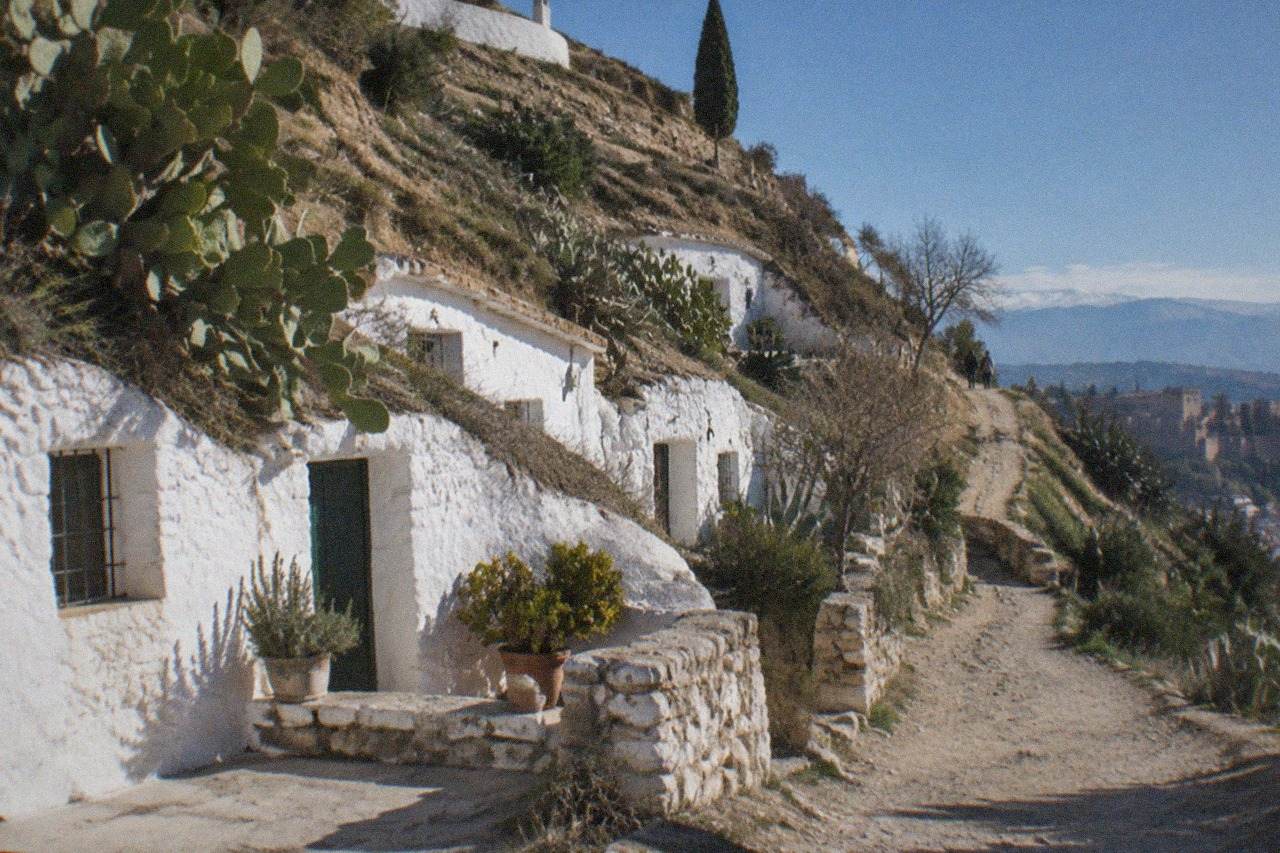
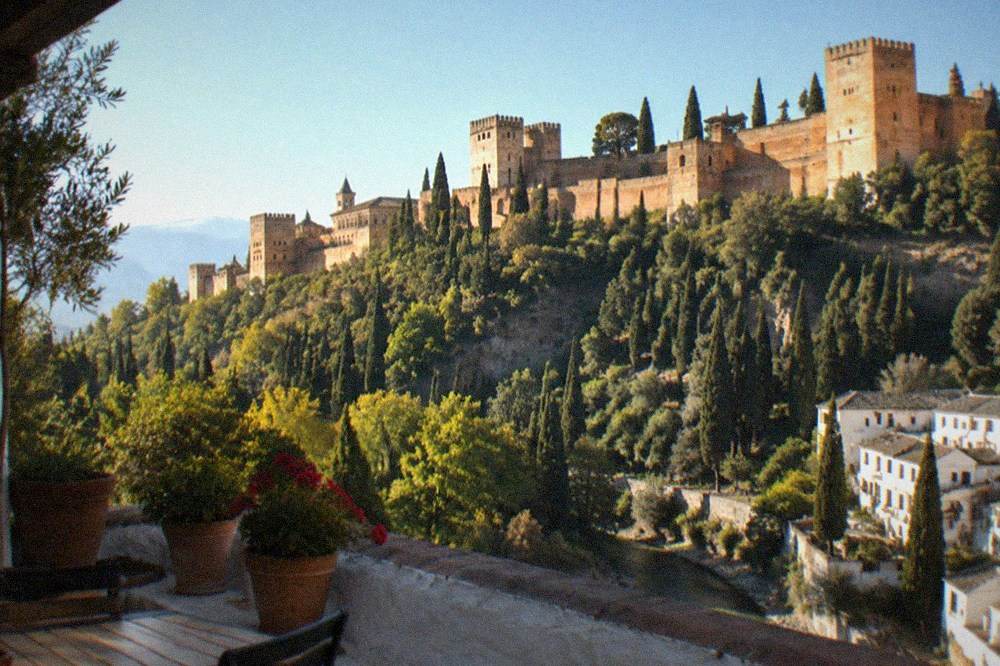
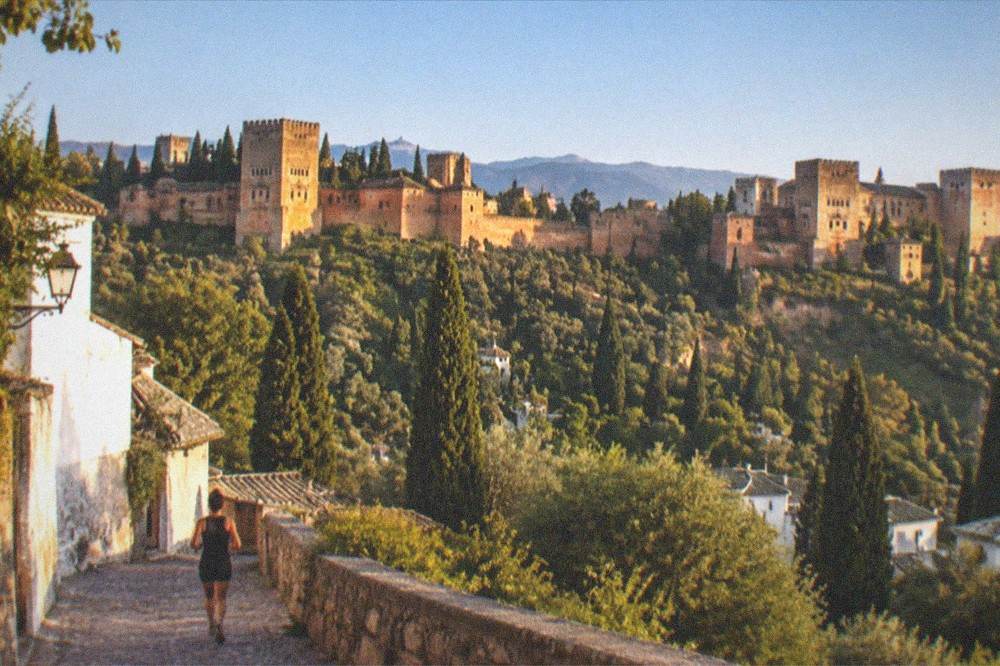
The Sacromonte Cave Museum sits on the Camino del Sacromonte, the dusty hillside lane that climbs east out of Granada along the Darro valley, directly opposite the Alhambra. Formally the Centro de Interpretación del Sacromonte, it occupies a stretch of ravine where a dozen or so cave dwellings have been restored and refitted as a walk-through record of the district's past: the homes, workshops, kitchens and gathering spaces of the Roma families who settled these caves generations ago, plus the flamenco song and dance that grew out of them. The museum's own hillside terrace gives one of the clearest views of the Alhambra and the Nasrid Palaces in the whole city, which is a large part of why the walk up is worth the effort even for visitors who only have one day in Granada.
What follows is a full guide to the museum: what it is, what you actually see inside the caves, how the visit works, how to get there, and how to combine it with the flamenco shows and viewpoints that make Sacromonte one of Granada's two great hillside quarters alongside the Albaicin.
What Is The Sacromonte Cave Museum?
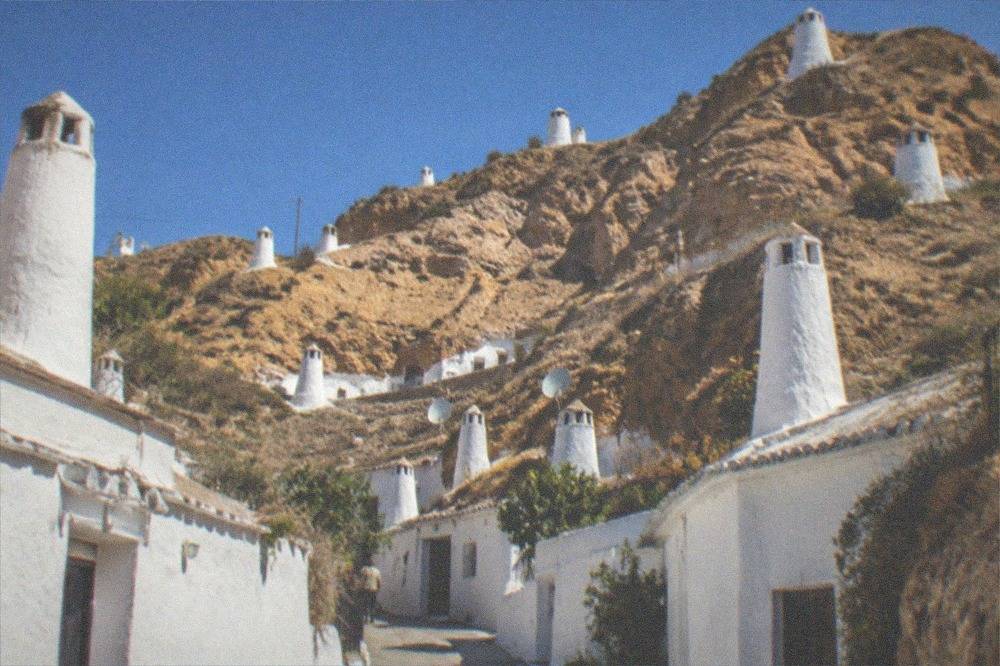
The Sacromonte Cave Museum, or Centro de Interpretación del Sacromonte, is an open-air ethnographic museum on the Barranco de los Negros slope above the Darro river, made up of roughly a dozen reconstructed cave houses that show how Granada's Roma community lived across the generations, with each cave furnished as a kitchen, bedroom, workshop or fiesta space, plus gardens and a terrace viewpoint facing the Alhambra. It is not a single building with glass cases. The museum is the hillside itself, and the route between caves runs outdoors along paths shaded by fig and pomegranate trees.
The district around it grew up after the fall of Muslim Granada to the Catholic Monarchs, when the city's new order pushed Muslim and later Roma families out of the centre and into the soft sediment hills across the river. Digging a cave house into that hillside cost nothing but labour, kept a stable temperature year round, and left a community clustered in a single ravine. That community became the cradle of Granada's zambras, the family flamenco parties that later turned into the commercial cave shows the district is known for today, a story covered in detail in the Sacromonte cave flamenco guide.
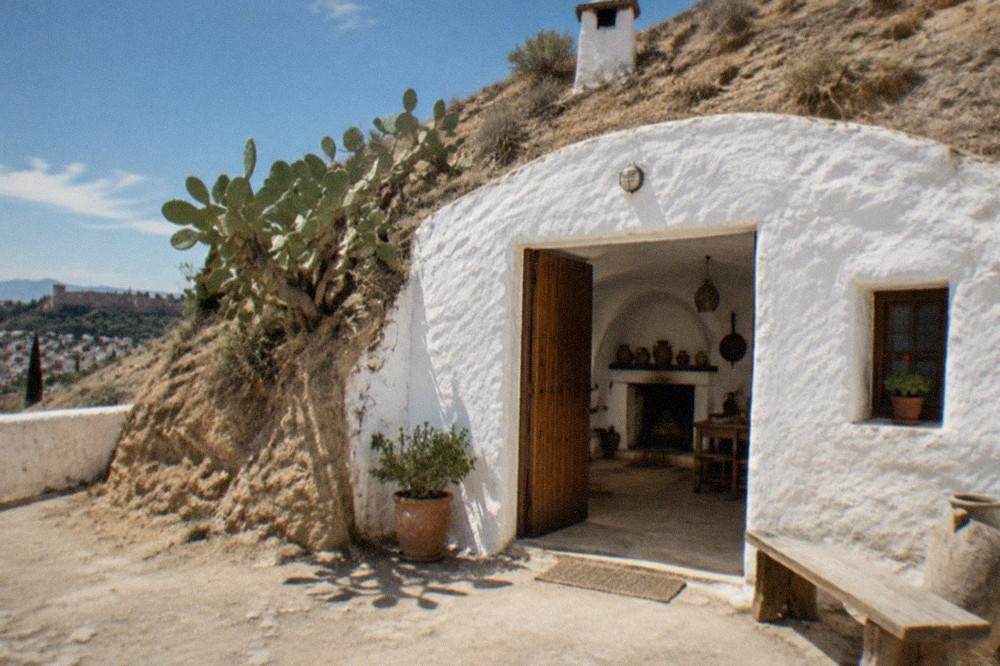
The museum was established as a heritage project run with the support of the Escuela de Estudios Árabes and the Granada city council, using a set of abandoned caves that were restored rather than rebuilt. That restoration-first approach is why the interiors feel genuine rather than stage-set: the niches, hearths and whitewashed chimneys are original features of caves that were actually lived in for generations.
What Do You See Inside The Caves At The Sacromonte Cave Museum?
Each of the reconstructed caves is staged as one room of a traditional Sacromonte household: one cave holds a kitchen with a wood-fired hearth and hanging copper pots, another a bedroom with a rope bed and embroidered linens, another the workshop of a basket weaver or tinsmith, and the largest caves are set up as zambra spaces with low seating and a raised corner where singers and guitarists performed. The staging is sparse but specific, and the museum's information panels explain what each object was for and who used it.
The visit works as a loop. You enter through the visitor area at the bottom of the site, climb along the terraced path past the cave fronts, and end at the upper terrace viewpoint before descending. The whole route is short in distance but slow in practice, because the path is uneven in places and the views stop you repeatedly. The terrace at the top looks straight across the valley at the Alcazaba and the Generalife gardens, with the Darro valley and the Carrera del Darro below.
The caves divide roughly into three groups, and the table below shows what each group covers.
| Cave group | What it shows | Typical highlights |
|---|---|---|
| Domestic caves | Day-to-day family life | Kitchen hearth, sleeping alcoves, storage niches |
| Workshop caves | Trades of the district | Basketry, metalwork, esparto grass crafts |
| Fiesta caves | Zambra and flamenco tradition | Seating for family gatherings, performance corner |
A few caves also cover the wider natural setting of the district, including the plants and geology of the ravine, which is a useful reminder that the hillside is a living landscape as well as a heritage site. The museum's gardens grow the same figs, vines and prickly pears that the cave families cultivated.
Is The Sacromonte Cave Museum Worth Visiting?
Yes, for most visitors the museum is worth the walk, because it is the only place in Granada where you can step inside furnished cave homes and understand how the Sacromonte district actually worked, and it doubles as one of the best free-standing Alhambra viewpoints in the city, which makes it a strong pairing with the nearby Mirador de San Nicolas and a natural stop on any first walk through the Albaicin and Sacromonte. Visitors with no interest in social history and no wish to climb a hill can skip it without guilt, since the cave show venues themselves are atmospheric.
The honest comparison is with the commercial cave venues along the same street. A cave restaurant flamenco show gives you the music in a similar space, but the performance is the product; you learn little about the people who dug and lived in these caves. The museum is the opposite: no performance, all context. Doing both in one evening, museum first and show after, is the sequence that makes the show land harder.
For a deeper verdict on the district as a whole, the site's own answer page on whether Sacromonte is worth visiting and on whether the Sacromonte caves are worth visiting weigh the trade-offs, including the hill climb and the state of the walk up.
How Do You Get To The Sacromonte Cave Museum?
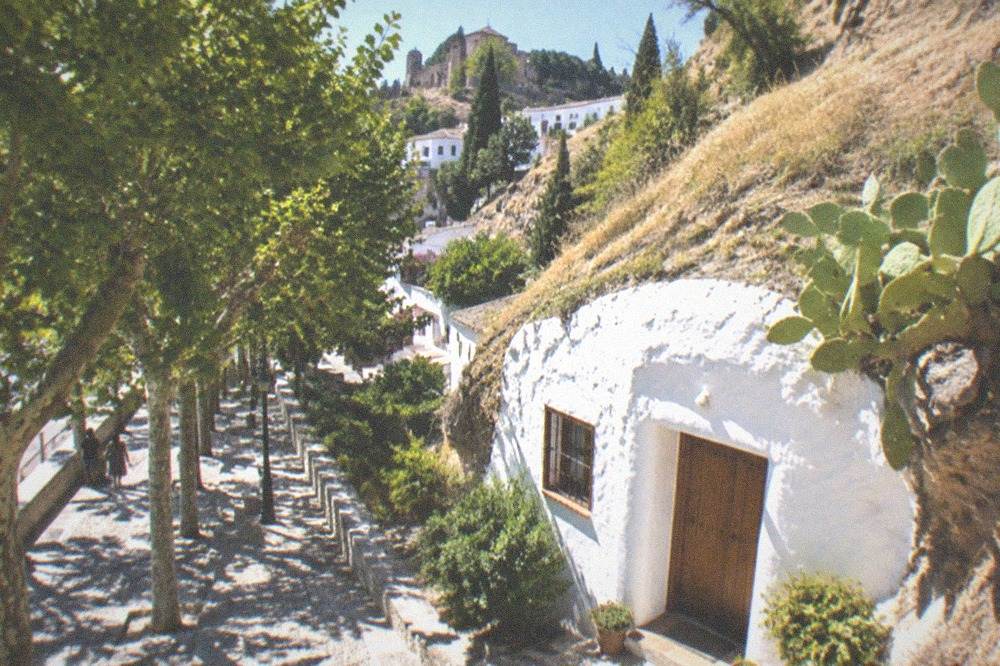
The museum is reached on foot from central Granada by walking up the Carrera del Darro along the river and then climbing the Camino del Sacromonte, the lane that starts near the Paseo de los Tristes at the top of the Darro valley; the walk from the city centre takes most people between twenty and forty minutes depending on pace, and the final stretch is a steady uphill on an unpaved surface. There is no metro connection to the hillside: the Metro de Granada runs north to south through the city and does not serve either the Alhambra or the Sacromonte.
The classic approach is the scenic one. From the cathedral area you walk down to the river, follow the Carrera del Darro east past the old Moorish bathhouse of El Banuelo, and reach the Paseo de los Tristes, the wide riverside promenade at the foot of the Albaicin. From there the Camino del Sacromonte climbs past the cave show venues, and the museum entrance is along this lane. Coming from the Mirador de San Nicolas, you descend through the upper Albaicin and cross the valley.
| Approach route | Starting point | Character of the walk |
|---|---|---|
| Carrera del Darro route | City centre, Calle Navas or cathedral | Riverside, shaded, then steady climb |
| Mirador de San Nicolas route | Albaicin viewpoint square | Cross-valley descent then ascent, best views |
| Cuesta del Chapiz route | Lower Albaicin | Shortest climb, least scenic |
Practical notes for the walk: the Camino del Sacromonte is a public lane, so the approach is free and open at any hour, but it is steep, and the surface is a mix of paving and packed earth. Wear shoes with grip rather than smooth soles, carry water in summer, and expect the last stretch to be the steepest. Visitors with limited mobility usually prefer to see the district from the Mirador de San Nicolas instead, which can be reached by bus or taxi to the Albaicin.
How Much Time Do You Need At The Sacromonte Cave Museum?
Most visitors spend between forty-five minutes and ninety minutes inside the museum itself, which is enough to walk the full cave loop, read the panels in the main caves, and spend time at the terrace viewpoint; add the walk up from the city centre and a stop at the Mirador de San Nicolas and the whole excursion becomes a relaxed half morning or half afternoon of around three hours. Rushing the loop in twenty minutes is possible but wastes the site.
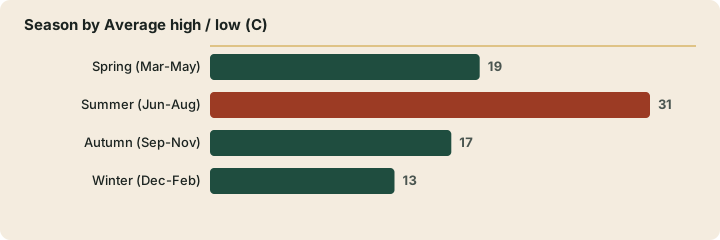
The timing depends heavily on the season. In July and August, when AEMET's climate data shows Granada averaging a high of 34.8C, the exposed hillside path is punishing at midday, and early morning or evening visits are the only comfortable options. In January, with an average high of 13.0C and an average low of 0.0C, the caves themselves are the warm part of the visit, since cave interiors hold a stable temperature year round, which is exactly why people lived in them. The wider set of guides lives on Things To Do In Granada.
| Season | Average high / low (C) | Best time of day for the visit |
|---|---|---|
| Spring (Mar-May) | 19.0-25.0 / 3.8-9.4 | Any time; midday is comfortable |
| Summer (Jun-Aug) | 31.0-34.8 / 13.6-15.7 | Before 11:00 or after 18:00 |
| Autumn (Sep-Nov) | 17.0-29.4 / 4.2-12.8 | Morning or late afternoon |
| Winter (Dec-Feb) | 13.0-15.4 / 0.0-1.7 | Midday, when the sun is on the hillside |
The figures above are AEMET's official 1981-2010 normals for the Granada Aeropuerto station, which is the only set this site uses for monthly climate. Granada's summer heat is dry rather than humid, but the Sacromonte slope faces the afternoon sun and there is almost no shade on the upper path.
Can You Combine The Sacromonte Cave Museum With A Flamenco Show?
Yes, and it is the pairing this site recommends most often: the museum explains who the Sacromonte Roma families were and what a zambra actually was, and the evening cave shows then put that tradition in front of you as live music and dance, with most show venues sitting on the very same Camino del Sacromonte lane a few minutes' walk downhill from the museum entrance. Doing the museum in the late afternoon and a show afterwards needs no extra travel at all.
The flagship option is the Los Amayas cave show in Sacromonte, a family-run zambra in a genuine cave venue, rated 4.7 from 1,706 reviews on the operator's live listing. The Los Amayas family are among the district's best-known flamenco dynasties, and the show is the closest thing to the museum's fiesta caves brought to life. You can Check availability once your travel dates are fixed, because weekend seats go first.
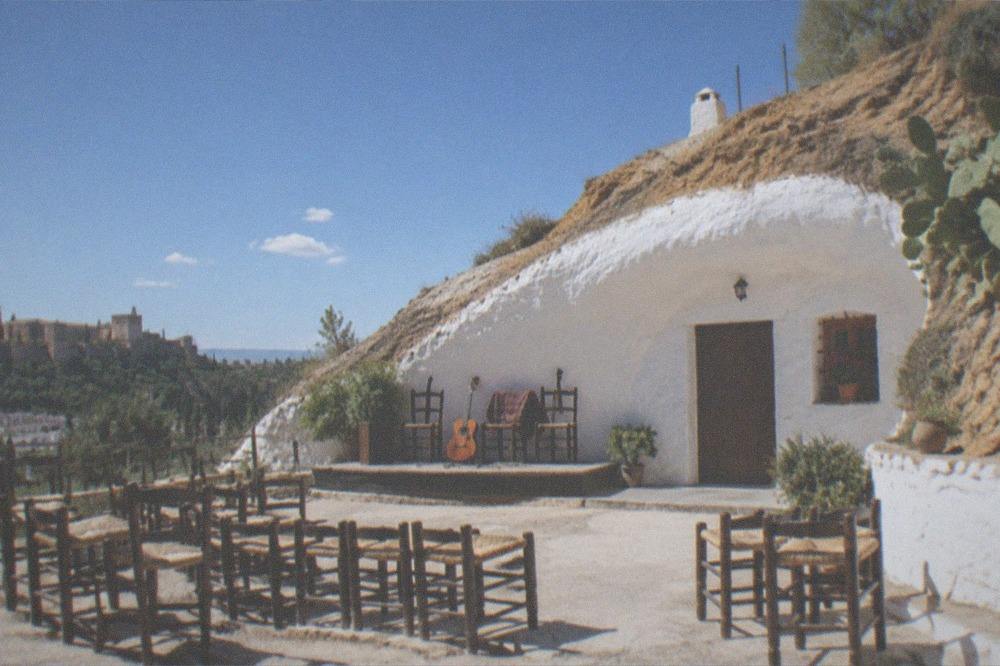
Two other show formats exist in the district. A flamenco show in a cave restaurant bundles the performance with a meal, which suits visitors who want dinner and music in one sitting and would otherwise be walking back down the hill hungry. And the question of whether there is a flamenco show in the Sacromonte caves has its own full answer page, covering the difference between a zambra and a staged tablao show.
Do People Still Live In The Sacromonte Caves?
A small number of people still live in cave houses in the Sacromonte district today, and the district's residential population has been shrinking for decades as families moved into modern housing and many caves were converted into show venues, holiday rentals or were abandoned, which is exactly why the museum exists: it preserves the cave-home way of life that the district itself is steadily losing. The museum's caves are reconstructions for visitors, not homes.
The full story, including what happened to the families who hosted the original zambras and how the district changed over the decades, is covered in the site's dedicated answer on whether people still live in the Sacromonte caves. The short version is that the living tradition and the visitor tradition now share the same hillside, and the museum is the clearest record of the former.
What Else Is Near The Sacromonte Cave Museum?
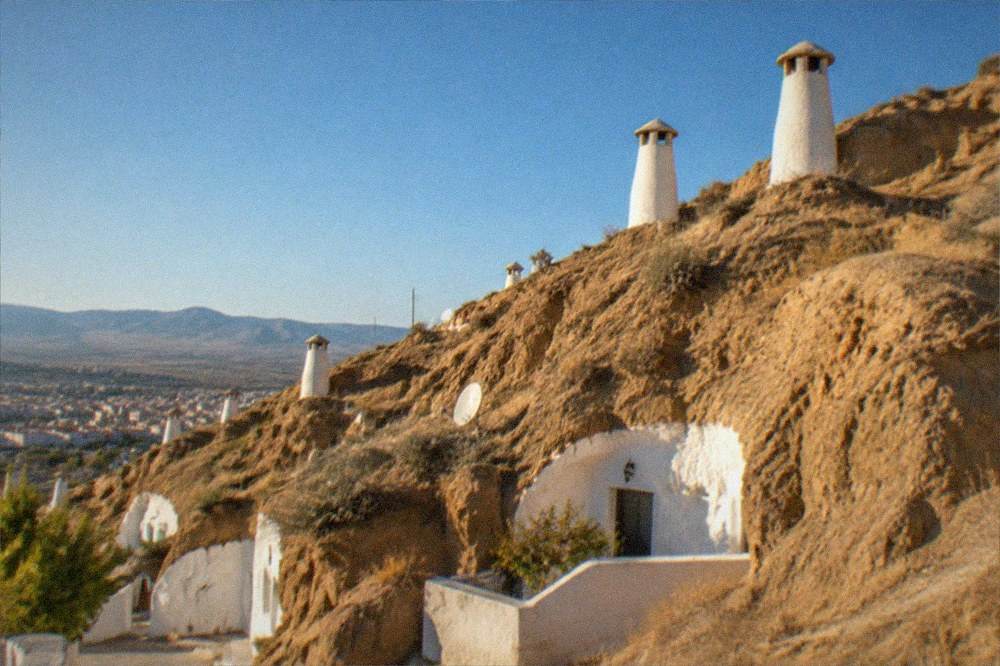
The museum sits inside Granada's densest sightseeing cluster: the Mirador de San Nicolas viewpoint is a short walk across the valley, the Carrera del Darro riverside promenade runs directly below, the Royal Chapel and Granada Cathedral are a downhill stroll from the river, and the Alhambra and Nasrid Palaces face the museum across the Darro valley, so the museum slots naturally into a walking day that covers both of Granada's hillside districts and the old town. Nothing in this list needs a vehicle.
The standard sequence for a first visit, mapped out in the one day in Granada itinerary, is to book an Alhambra morning slot, spend the early afternoon in the old town around the Royal Chapel and the Alcaiceria silk-market lane, then walk up the Carrera del Darro in the late afternoon, hit the Mirador de San Nicolas for sunset, and finish in Sacromonte for a cave show. The museum fits best in the late-afternoon stretch of that day, before the viewpoint.
| Nearby sight | Direction from the museum | Pairing notes |
|---|---|---|
| Mirador de San Nicolas | Across the valley, Albaicin side | Classic sunset stop before or after |
| Carrera del Darro | Downhill, along the river | Shaded walk, historic facades |
| El Banuelo | On the Carrera del Darro | Original Moorish bathhouse |
| Palace of Charles V | Inside the Alhambra complex | Visit on the same Alhambra ticket day |
| Hammam Al Andalus | City centre, below the river | Evening baths after a hot hill walk |
One pairing deserves a special mention. After a hot summer climb, the Hammam Al Andalus in the city centre is the traditional way Granada visitors end a day of hill walking: the Arabian baths experience there runs 90-minute sessions rated 4.4 from 704 reviews on the operator's live listing. Book the session after your show, not before, since the baths run late into the evening.
How Does The Sacromonte Cave Museum Compare With Granada's Other Cave Sites?
Granada has two other cave experiences that visitors sometimes confuse with the Sacromonte museum: the Sacromonte Abbey complex at the top of the district, which is a religious monument with its own catacombs, and the cave house region of Guadix about an hour away, where thousands of people still live in cave homes today, making Guadix the living version of what the Sacromonte museum preserves as history. They are three different things and only the first is walkable from the city centre.
The Guadix day trip is the underrated one. The district around Guadix, on the high plateau east of Granada, has one of Europe's largest concentrations of inhabited cave houses, and the contrast with Sacromonte's show caves is instructive: in Guadix the cave is ordinary housing, and in Sacromonte it is heritage. The site's Guadix day-trip guide covers how the visit works.
| Cave site | Where it is | What it offers |
|---|---|---|
| Sacromonte Cave Museum | Camino del Sacromonte, Granada | Reconstructed heritage caves, viewpoint |
| Sacromonte Abbey | Top of the Sacromonte district | Catacombs, religious history, museum |
| Guadix cave district | About an hour from Granada by road | Thousands of inhabited cave homes |
When Is The Best Time To Visit The Sacromonte Cave Museum?
The best time to visit is late afternoon in spring or autumn, when AEMET's normals show average highs of 19.0C to 25.0C in March through May and 23.2C to 29.4C in September and October, because the light across the valley onto the Alhambra is at its warmest, the hillside climb is comfortable, and the timing lands you in the district exactly as the evening flamenco shows begin. Winter midday visits are quiet and mild on sunny days, and summer visits should avoid midday entirely.
Granada's festival calendar adds a few special windows. Semana Santa processions pass along the valley edges in the week around Easter, with the 2026 dates falling approximately between 29 March and 5 April, and Cruces de Mayo brings decorated crosses into the districts around 1 to 3 May in 2026. Neither event happens inside the museum, but both change the atmosphere of the walk up.
The one hard planning fact that outranks all of this is the Alhambra. If your Granada day includes the Nasrid Palaces, that ticket dictates your schedule: the Palaces entry window is a strictly enforced half-hour slot, the General ticket routinely sells out one to two months ahead in peak season, and online sales close at 23:59 the day before with no reliable same-day sales. Book the Alhambra first, then fit the museum and the show around it.
Common Questions About The Sacromonte Cave Museum
What is the Sacromonte Cave Museum?
It is an open-air ethnographic museum, the Centro de Interpretación del Sacromonte, made up of roughly a dozen reconstructed cave dwellings on the hillside above the Darro river, showing how Granada's Roma community lived, worked and celebrated across the generations, with a terrace viewpoint facing the Alhambra.
Is the Sacromonte Cave Museum worth visiting?
For most visitors, yes: it is the only place in Granada where you can walk inside furnished cave homes and understand the district's history, and its terrace is one of the best Alhambra viewpoints in the city. Visitors uninterested in social history can skip it and go straight to a cave show instead.
How long does a visit to the Sacromonte Cave Museum take?
Most visitors spend between forty-five and ninety minutes on the cave loop and viewpoint. Including the walk up from the city centre and a stop at the Mirador de San Nicolas, budget around three hours for the whole excursion.
Do people still live in the Sacromonte caves?
A small number of people still live in cave houses in the district, but the population has been shrinking for decades as caves became show venues, rentals or were abandoned. The museum preserves the cave-home way of life the district is steadily losing.
Can you combine the Sacromonte Cave Museum with a flamenco show?
Yes, and it is the recommended pairing. The museum explains the zambra tradition in the late afternoon, and the evening cave shows, including the Los Amayas family zambra, take place a few minutes' walk downhill on the same Camino del Sacromonte lane.
How do you get to the Sacromonte Cave Museum?
On foot: walk up the Carrera del Darro along the river to the Paseo de los Tristes, then climb the Camino del Sacromonte. The walk from the centre takes most people twenty to forty minutes, and the final stretch is steep and partly unpaved. There is no metro connection to the hillside.
The Sacromonte Cave Museum is the one Granada sight that explains all the others on its hillside: the cave show venues, the zambra tradition, and the chimneys you see rising from the slope as you walk the Carrera del Darro. Pair it with a sunset at the Mirador de San Nicolas and a cave show in the evening, and you will have seen Sacromonte the way the district deserves to be seen, inside its caves and out.