Is Sacromonte, Granada Worth Visiting?
Is Sacromonte worth the climb above Granada? Cave homes, zambra flamenco, the abbey and viewpoints, with honest advice on when to go and what a visit really involves.
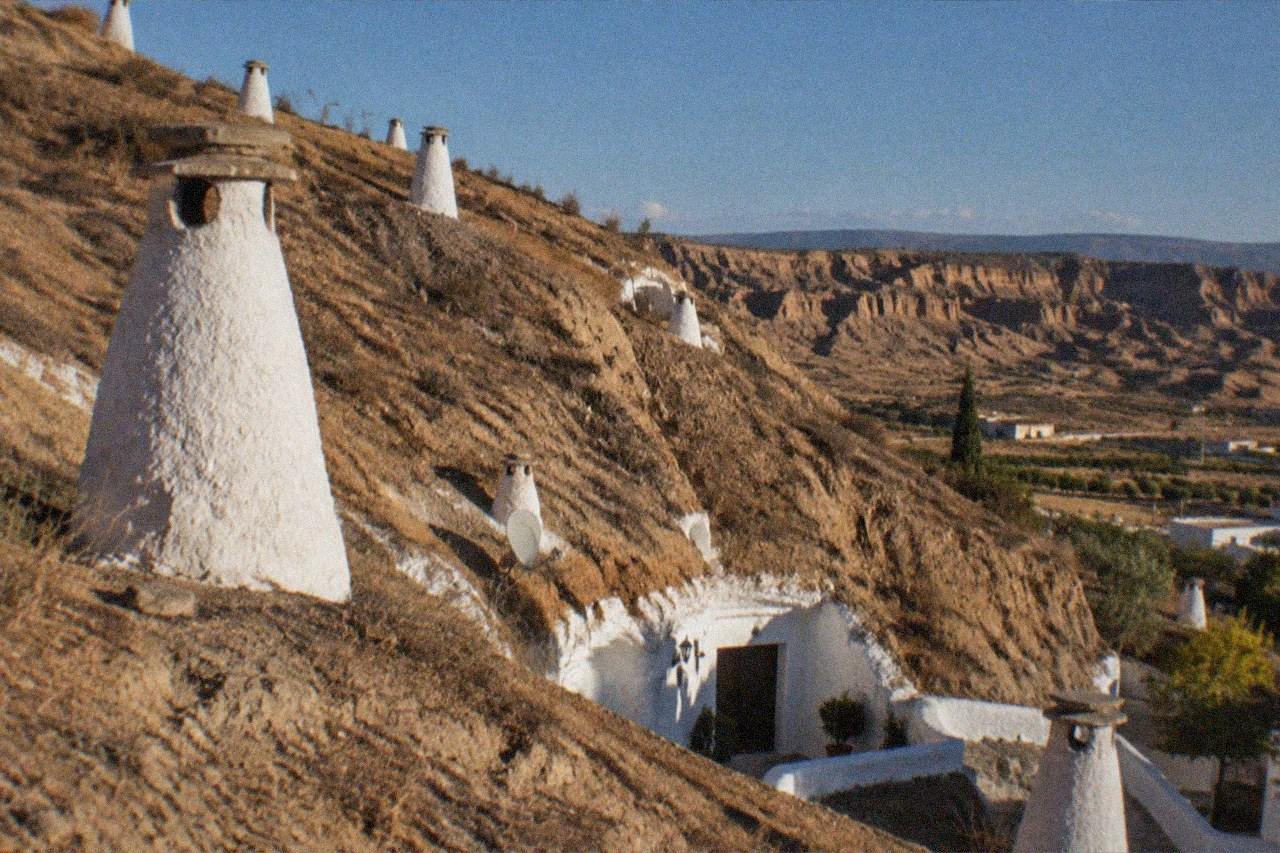
Sacromonte sits on the eastern flank of Granada, directly opposite the Alhambra across the Darro valley, and it is the one district of the city whose houses are literally carved out of the hillside. The whitewashed cave facades stacked above the Carrera del Darro are the postcard image, but the neighbourhood is not a museum piece: people still live in these caves, flamenco is still performed in them, and the abbey at the top gives the district its name, "sacred mountain". The team behind Things To Do In Granada has pulled together the verified facts on what a visit involves, what it costs and when the hill is at its best.
What Is Sacromonte, Granada?
Sacromonte is Granada's historic cave-house district on the Valparaíso hill, facing the Alhambra across the Darro valley, traditionally the home of the city's Roma community and the birthplace of the zambra, a form of flamenco performed in cave venues that has deep roots here. The district grew around dwellings dug directly into the soft hillside, a building method that kept interiors cool in summer and warm in winter. At its summit stands the Sacromonte Abbey, a landmark included in the Granada Card's monument list. The neighbourhood is part of the wider UNESCO World Heritage inscription: the Alhambra and Generalife were inscribed in 1984 and the listing was extended in 1994 to include the Albaicín, whose heritage zone sweeps across this slope.
The caves were never a tourist invention. They were working homes for generations of families, and a good number remain private residences today, a point covered in detail on do people still live in the Sacromonte caves. That living quality is exactly what separates Sacromonte from a reconstructed "old quarter": the laundry lines, the dogs, the scooters on the steep lanes are all real.
The district's cultural weight comes from the zambra. This is a Granada-specific flamenco tradition of family performances held in cave homes, recognised as distinct from the tablao format found in city-centre venues. Visitors who want the full context on that tradition, and on which cave shows exist today, can read is there a flamenco show in the Sacromonte caves in Granada.
Is Sacromonte, Granada Worth Visiting?
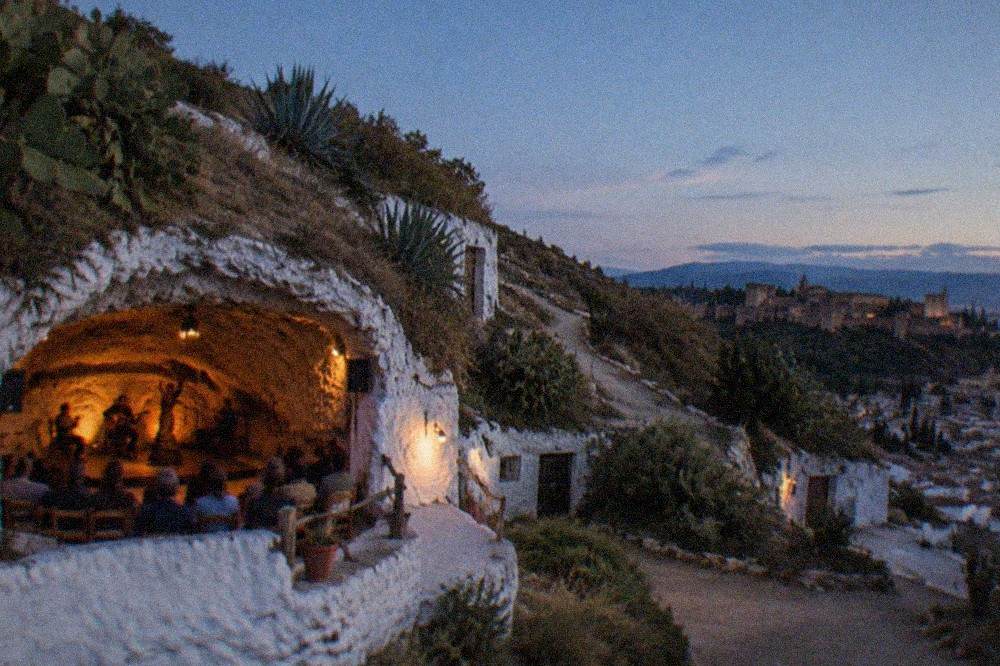
Yes, for most visitors Sacromonte is worth visiting, and the strongest case is a combination that no other Granada district offers: sunset views of the Alhambra from the Mirador de San Nicolás side, cave houses you can walk among freely, and zambra flamenco performed in the caves where the tradition was born. It is not worth it for everyone. The slopes are steep, the walk up from the Carrera del Darro is demanding in summer heat, and a daytime-only visit of twenty minutes at a viewpoint will underdeliver. The district rewards an evening plan: viewpoints first, then a cave show or a guided walk.
The honest trade-off is effort versus payoff. The Albaicín, covered in is Albaicín worth visiting, gives you the classic Alhambra panorama; Sacromonte adds the cave architecture and the flamenco depth on top of it. Skipping Sacromonte means skipping the single most distinctive thing about Granada's eastern hill.
For travellers with limited time, a guided walk solves the logistics in one move. The Granada in full: Historic Centre, Albaicín & Sacromonte tour covers all three neighbourhoods in a single loop, from $23 per person, rated 5 from 28 reviews on the operator's live listing, and you can Check availability for your dates. A private alternative, the Albaicín & Sacromonte exclusive walk in the old town, runs 2.5 hours from $80.13 per person, rated 4.6 from 9 reviews.
What Do You Actually See And Do In Sacromonte, Granada?
A Sacromonte visit delivers four concrete things: the cave-house streets themselves, the Sacromonte Cave Museum, the abbey at the summit, and the cave flamenco shows in the evening, plus the walk along the Camino del Sacromonte with the Alhambra opposite you the whole way. The cave museum, a reconstructed cave dwelling open to visitors, is the easiest way to understand how these homes actually worked, with furnished rooms and tools; it has its own page at the Sacromonte Cave Museum. The abbey sits at the top of the hill and is one of the monuments covered by the Granada Card.
The main lane, the Camino del Sacromonte, runs along the hillside with cave facades on one side and the Alhambra framed across the valley on the other. It is free to walk, open at all hours, and it is the spine of every visit. Side alleys climb further into the residential caves, where the general rule is simple: the public lane is public, the cave doors are homes.
The evening is when the district earns its reputation. The Los Amayas cave show in Sacromonte runs from $28 per person, rated 4.7 from 1,706 reviews, and there is a fuller comparison of the cave-show question at are the Sacromonte caves worth visiting. A cave restaurant flamenco option also exists from $35 per person, rated 4.4 from 686 reviews.
Here is how the main paid options in and around the district compare:
| Experience | From (per person) | Rating on the listing | Duration |
|---|---|---|---|
| Granada in full: Historic Centre, Albaicín & Sacromonte walk | $23 | 5 from 28 reviews | about 3 hours |
| Los Amayas cave flamenco show, Sacromonte | $28 | 4.7 from 1,706 reviews | show length on the listing |
| Sacromonte and Albaycin neighbourhoods walking tour | $50 | 4.6 from 141 reviews | 2h30m |
| Albaicín & Sacromonte exclusive private walk | $80.13 | 4.6 from 9 reviews | 2h30m |
| Flamenco show in a cave restaurant | $35 | 4.4 from 686 reviews | 1.5 hours |
One planning note that matters: the Alhambra is the fixed point of every Sacromonte view, and its tickets are the scarcest in the city. The Patronato de la Alhambra's own ticket page states a General ticket at EUR 22.27, with roughly 6,600-7,000 visitors admitted per day and the Nasrid Palaces capped at about 300 people per half-hour slot. In peak season the General ticket routinely sells out one to two months ahead, and online sales close at 23:59 the day before the visit date. If the plan is "Alhambra by day, Sacromonte sunset and flamenco by night", book the Alhambra side first; the Sacromonte side needs no advance booking except for the cave shows.
When Is The Best Time To Visit Sacromonte, Granada?
Evening is the best time for Sacromonte, roughly from an hour before sunset, because the low light turns the Alhambra across the valley into the district's best view and the cave flamenco shows run after dark; spring and autumn are the best seasons, with AEMET's climate data showing May at 25.0C average high and October at 23.2C, against July's 34.8C. A midday visit in July or August means a steep, shadeless climb; the same walk in May is one of the pleasantest hours in the city.
AEMET's normals for the Granada Aeropuerto station, 1981-2010 period, give the picture month by month:
| Month | Avg high C | Avg low C | Rainfall mm | Sacromonte verdict |
|---|---|---|---|---|
| March | 19.0 | 3.8 | 32 | Comfortable walking, green valley |
| May | 25.0 | 9.4 | 28 | Prime evening light |
| July | 34.8 | 15.7 | 2 | Climb early or after sunset only |
| September | 29.4 | 12.8 | 19 | Warm evenings, shows in season |
| October | 23.2 | 8.7 | 40 | Mild, occasional rain |
| December | 13.4 | 1.7 | 56 | Cold after dark, quiet lanes |
Festival timing can double the payoff. Cruces de Mayo runs 1-3 May in 2026, and Semana Santa falls around 29 March-5 April 2026, with processions crossing the city below the hill. A sunset visit during those weeks adds a procession soundtrack to the view. The month-by-month question is covered more fully at what is the best month to visit Granada Spain.
Is Sacromonte, Granada Safe And Hard To Reach?
Sacromonte is a normal residential district and standard city-street caution applies, with the real challenge being terrain rather than safety: the lanes are steep, cobbled and unlit in stretches after dark, so decent shoes and a phone light matter more than any security concern. The district is reached on foot up from the Carrera del Darro or the Albaicín, and the climb is the price of the views. The metro does not serve the district; it runs north-south through the city and metropolitan area only, per the Metro de Granada's own network, so the hill is a walking or bus proposition.
The most common mistake is treating Sacromonte as a drive-by viewpoint stop. The Mirador de San Nicolás, just below the district on the Albaicín side, is where most tour buses pause, and it is genuinely worth the stop, but the cave lanes above it are the part that is different. Give the hill at least two hours on foot, or three and a half if a cave show is on the plan.
For travellers weighing the whole city, the honest summary is that Sacromonte is one of the two neighbourhoods, with the Albaicín, that make Granada more than an Alhambra day trip. The broader case is laid out at is Granada Spain worth visiting and what not to miss in Granada.
Common Questions About Sacromonte, Granada
Is Sacromonte, Granada worth visiting?
Yes for most visitors: it pairs the Alhambra views from the Mirador de San Nicolás side with walkable cave-house streets and evening zambra flamenco in the caves. It is a steep hill, so plan it as an evening visit with good shoes rather than a quick daytime stop.
How much time should I spend in Sacromonte?
Allow at least two hours on foot for the cave lanes and viewpoints, and around three and a half hours if you are adding a cave flamenco show in the evening. A guided walking tour of the district and the Albaicín typically runs about 2.5 hours.
Can you see flamenco in the Sacromonte caves?
Yes, cave flamenco shows run in Sacromonte, including the Los Amayas cave show from $28 per person, rated 4.7 from 1,706 reviews on the operator's live listing, and a cave restaurant flamenco option from $35 per person.
Is the Sacromonte Cave Museum worth it?
The cave museum is the clearest way to understand how cave dwellings actually worked, with reconstructed furnished interiors, and it suits visitors who want context rather than just views. The Sacromonte Abbey at the summit is also included in the Granada Card's monument list.
Is Sacromonte safe at night?
The district is residential and standard street caution applies, but the practical issue is terrain: steep, cobbled lanes with unlit stretches after dark. Wear solid shoes and carry a phone light for the walk down.
Sacromonte is worth the climb for the simple reason that nothing else in Granada, or in most of Andalusia, offers cave houses, a living flamenco tradition and an Alhambra view stacked on one hillside. Plan it for the evening, book the cave show ahead, and let the Alhambra handle the daytime.