Is Albaicín Worth Visiting?
A direct answer to whether Granada's Albaicín quarter is worth your time, with verified sight details, safety notes, guided tour options and planning tables.
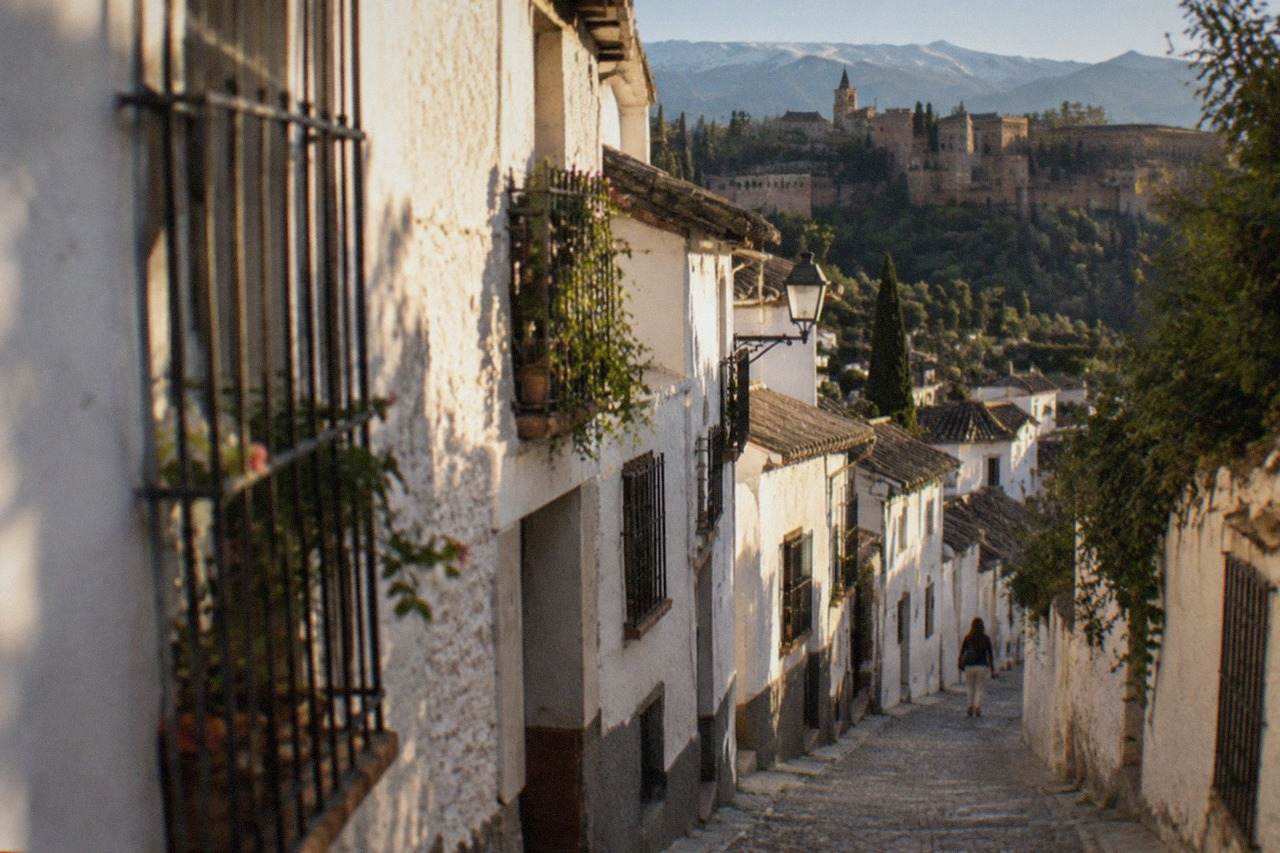
The Albaicín is the hillside opposite the Alhambra, and UNESCO listed it as part of Granada's World Heritage inscription in 1984, extended in 1994 to include the whole Albaicín quarter. That double designation is the clue: this is not a scenic add-on to the palaces but the other half of the same story, the Moorish city that the Nasrid dynasty looked down on every day. The question any visitor with two or three days in Granada faces is whether the climb, the crowds and the navigation of unmarked lanes pay back the effort. The short version is that they do, provided the visit is timed and planned rather than left to chance.
Is Albaicín Worth Visiting?
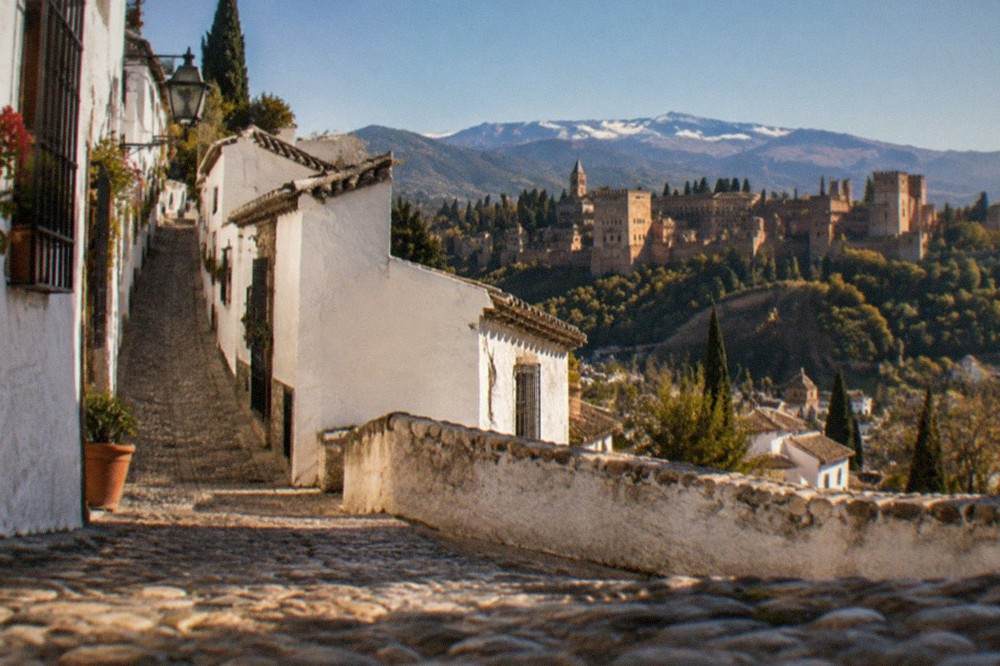
Yes, the Albaicín is worth visiting for almost every traveller to Granada, because it is the only place where the Alhambra itself becomes the view: the Mirador de San Nicolas looks straight across the Darro valley at the Nasrid Palaces with the Sierra Nevada behind them, a panorama available nowhere else in the city. UNESCO extended Granada's 1984 World Heritage inscription in 1994 specifically to protect this quarter, and its lanes hold El Bañuelo, one of the oldest surviving Arab baths in Spain.
That framing matters because the Albaicín is often sold as "charming streets", which undersells it and sets the wrong expectation. The lanes are steep, the signage is thin, and a first walk without a plan tends to end in a dead-end staircase. What the quarter offers instead is a set of discrete, verifiable payoffs: the viewpoint at San Nicolas, the Arab bath of El Bañuelo, the Dar al-Horra palace, the church towers built on minaret foundations, and the walk down the Carrera del Darro along the river between the two hills. Each one is a short, walkable unit, and the quarter rewards visitors who treat it as a list of stops rather than a district to wander hopefully.
The comparison the Albaicín invites is with the Alhambra, and the honest answer is that it does not compete on interiors. The palaces are the most elaborate surviving Nasrid architecture in Spain; nothing in the Albaicín matches them. What the quarter has that the palaces cannot offer is context. It was the residential city of the era the Alhambra served, and it is still lived in, which is why a visit here feels less like a monument and more like a working neighbourhood layered over nine centuries. For more on how the two experiences differ, see is the Alhambra in Granada worth visiting.
What Makes The Albaicín Different From Granada's Other Old Quarters?
The Albaicín is the only Granada district that faces the Alhambra as its central view, and the only one whose street plan still follows its medieval Moorish layout rather than a later grid. The Realejo, the old Jewish quarter on the other side of the Alhambra hill, and the Sacromonte cave district each have their own character, but the Albaicín holds the UNESCO extension from 1994 and the concentration of surviving Andalusi fabric, including El Bañuelo and the Dar al-Horra palace.
The quarter's geography explains most of its value. It rises from the Darro river directly opposite the Alhambra ridge, so its western edge is one long balcony. The Mirador de San Nicolas is the famous end of that balcony, but the view unfolds along much of the high street, Plaza Larga's market square included. AEMET's climate data for Granada shows July averaging 34.8C, and the Albaicín's height catches the evening breeze that the riverside Carrera del Darro misses, which is one reason the sunset hour here is a local ritual rather than a tour-bus invention.
The second difference is texture. The Realejo is leafier and more residential, the Sacromonte is flamenco caves and hillside tracks, while the Albaicín mixes all of it: tourist lanes near the Puerta de las Granadas end, quiet domestic streets two turns away, and a working market rhythm around Plaza Larga. That mixture is exactly what the full Albaicín area guide covers in depth.
If the plan is to see the whole historic city rather than puzzle it out alone, two guided formats cover this ground. The first is a paid small-group walk; the second is a free, tip-based GuruWalk tour, which must be named here for honesty: the Albaicín and Sacromonte free tour and the Free Tour Fall in Love with Granada are both tip-based walks led by local guides, with no fixed price at all.
How Much Time Should You Spend In The Albaicín?
Two to three hours is enough for a first visit that includes the Mirador de San Nicolas, a walk along the Carrera del Darro, and one interior stop such as El Bañuelo or the Dar al-Horra palace. A full half-day fits better if the plan adds Sacromonte, since the cave district sits directly east of the Albaicín and adds a steep climb, and visitors who stay for sunset at the viewpoint plus dinner in the quarter should budget the whole late afternoon and evening.
Timing matters more than duration. The quarter faces west, so the Alhambra sits in full sun through the morning and the viewpoint is at its best in the last two hours of daylight. In summer, when AEMET's normals show June at an average high of 31C and July at 34.8C, a midday ascent is the one genuinely bad version of this visit: the lanes offer little shade and the stone holds heat. Morning works well for the interiors, evening for the views, and the two can be split across separate days, which is what most three-day Granada itineraries end up doing.
The table below sets out the main stops with realistic time budgets and what each one costs to see, using the verified access details from the Granada Card's official inclusions list.
| Stop in the Albaicín | What it is | Realistic time | Access and cost |
|---|---|---|---|
| Mirador de San Nicolas | Hilltop square facing the Alhambra and Sierra Nevada | 20-40 min at sunset | Free, open public square |
| Carrera del Darro | Riverside lane along the Darro between the two hills | 30-45 min one way | Free public street |
| El Bañuelo | Arab bath house, among Spain's oldest | 20-30 min | Covered by Granada Card tiers; check current entry terms before going |
| Dar al-Horra | Nasrid-era palace, the quarter's main interior | 30-45 min | Covered by Granada Card tiers; verify hours on the official listing |
| Plaza Larga and the high street | Working market square and daily-life lanes | 30-60 min | Free |
Two practical notes on that list. The Granada Card tiers, priced at EUR 60 for 72 hours and EUR 55 for 48 hours from 13 November 2025, include several Albaicín monuments, so anyone holding a card should check whether El Bañuelo and Dar al-Horra visits are already paid for before buying anything separately. And the Alhambra portion of a card cannot be split across days once activated, which affects how a two-day plan sequences the quarter against the palaces. The is the Granada Card worth it breakdown covers that arithmetic.
For a structured outing, the related tour here is the Granada in full: Historic Centre, Albaicín & Sacromonte walk, listed from $23 per person and rated 5 from 28 reviews, a 2-3 hour guided format that strings all three districts together so the navigation is handled for you.
Is The Albaicín Safe At Night?
The Albaicín is generally safe in the evening hours around the main viewpoints and the Carrera del Darro, which fill with locals and visitors at sunset, and the quarter's busiest lanes stay busy well after dark in peak season. The standard precautions for any hilly old city apply: the empty lanes above Plaza Larga are best walked in groups or on a guided route, and pickpocketing rather than violent crime is the realistic risk in the crowded viewing spots.
The evening is when the quarter performs its signature scene, so safety advice should shape the route rather than the schedule. Walking up through the populated lanes to the Mirador de San Nicolas, staying for the sunset and the Alhambra lights, then descending via the lit riverside Carrera del Darro is the well-trodden pattern. The detailed assessment, including which streets to treat with more care, is in is the Albaicín safe at night.
One honest caveat about the viewpoint itself: it is popular, and in high season the front rail fills well before sunset. Arriving 45 minutes to an hour ahead is the usual advice of the walking guides that run here daily, and it costs nothing but time.
What Not To Miss In The Albaicín (And What To Skip)
The four stops that define a first visit are the Mirador de San Nicolas for the Alhambra panorama, the Carrera del Darro for the riverside walk between the hills, El Bañuelo for the oldest surviving architecture in the quarter, and the lanes around Plaza Larga for the living, non-museum side of the district. The skip list is shorter: rushing the climb at midday, and treating the quarter as a museum, since most of its value is streets, views and bars rather than ticketed interiors.
El Bañuelo deserves the emphasis it usually does not get. It is a hammam of great age, one of the very few Nasrid-era bath houses in Spain still standing, and it is small enough that a 20-minute visit covers it completely. The Dar al-Horra palace, a Nasrid residence with a view terrace of its own, is the other interior worth the detour; both sit inside the Granada Card's inclusion list, per the official turismo.granada.org breakdown of card tiers.
The food side of the quarter is not filler either. The free-tapa custom remains widely upheld local practice in many traditional Granada bars as of 2026, per local reporting: a drink order typically comes with a complimentary small plate, though it is not a legal guarantee and some venues have adjusted portions or prices. The Albaicín has a dense concentration of old-school bars where the custom still holds, which makes an evening here genuinely different from the same evening in the more polished centre. The food detail is covered in what food is Granada famous for, and the wider checklist of the city's essentials is in what not to miss in Granada.
For travellers with a spare full day, the quarter also pairs naturally with the coast: the Nerja & Frigiliana day trip runs from Granada in a small group of at most eight, listed from $157 per person and rated 4.7 from 32 reviews, which fits the common pattern of an Albaicín evening followed by a coastal day.
Common Questions About The Albaicín
Is Albaicín worth visiting?
Yes. It is the only quarter with a direct, elevated view of the Alhambra, it holds a UNESCO World Heritage extension from 1994, and it contains El Bañuelo, one of Spain's oldest surviving Arab baths. Two to three hours plus a sunset covers the essentials.
How much time does the Albaicín need?
Two to three hours covers the Mirador de San Nicolas, the Carrera del Darro and one interior stop. Add a half-day if Sacromonte is on the plan, since the cave district sits directly east and involves a further climb.
Is the Albaicín safe at night?
The main viewpoints and the riverside lanes are busy and generally safe in the evening. Standard city precautions apply on the quieter upper lanes, and pickpocketing is the realistic risk at crowded viewpoints rather than anything more serious.
Do you need a guide for the Albaicín?
The quarter's unmarked lanes and layered history reward a guide, but it is walkable alone with a mapped list of stops. Guided formats range from paid small-group walks from $23 per person to free, tip-based GuruWalk tours led by local guides.
What is the best time of day to visit the Albaicín?
Evening, for the sunset over the Alhambra from the Mirador de San Nicolas. In summer, when AEMET's normals show July averaging 34.8C, mornings suit the interiors and evenings suit the viewpoints, and the two can be split across days.
The verdict from Things To Do In Granada is straightforward: the Albaicín is the half of Granada's World Heritage story that the Alhambra ticket does not cover, and a planned two to three hours at the right time of day is one of the highest-value visits in the city.