Is Albaicin Safe At Night
Is the Albaicin safe at night? A straight answer on Granada's hillside Moorish quarter after dark, with street-level advice, official figures and evening planning data.
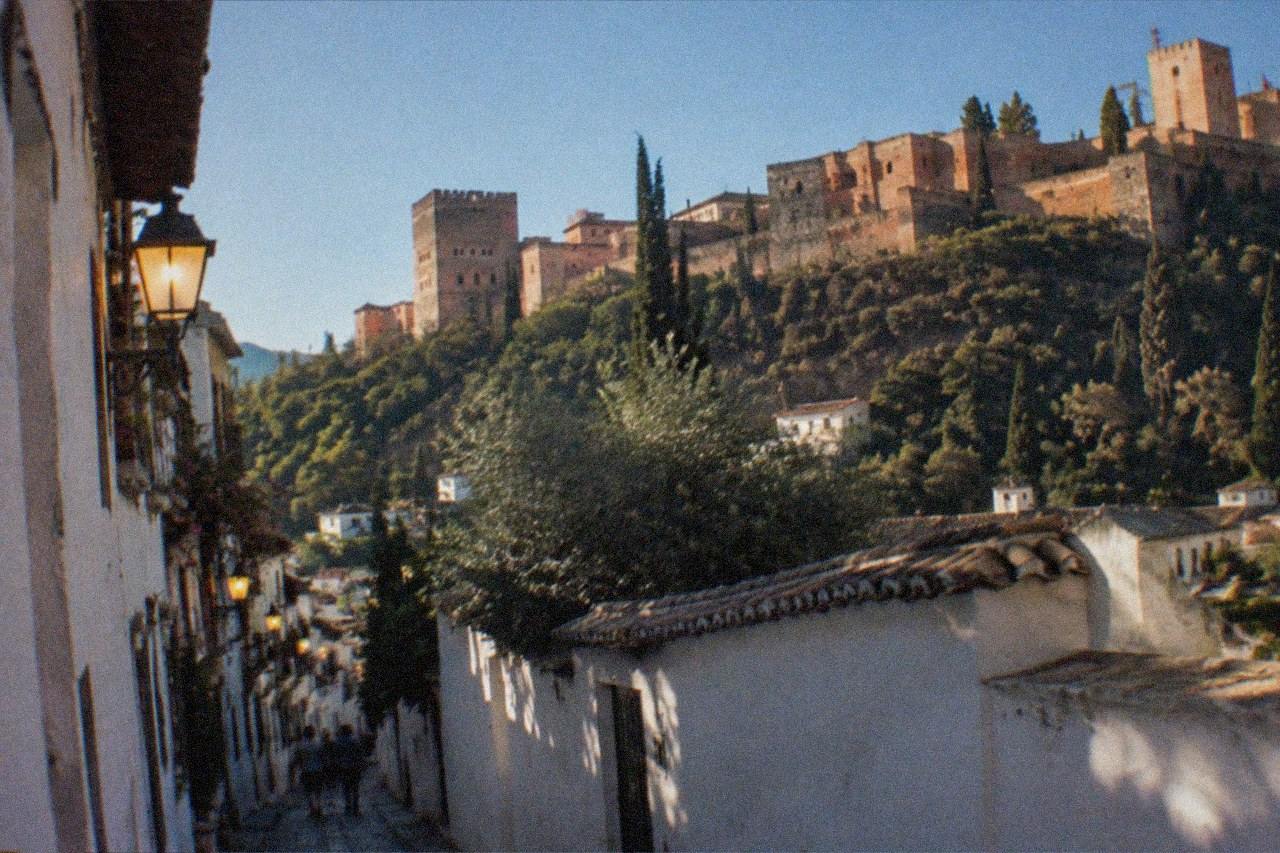
The Albaicin, Granada's hillside Moorish quarter, changes character completely once the sun drops behind the Sierra Nevada. The daytime flow of camera-toting visitors thins out, the floodlights on the Alhambra switch on across the valley, and the miradors fill with people waiting for the view. It is the single most photographed evening scene in the city, and it draws crowds well past midnight in summer. The question of whether those lanes are safe is a fair one: the quarter is a maze of unlit cobbled alleys, steep climbs and dead ends, and it does not look or behave like the flat, policed historic centre down the hill.
Is Albaicin Safe At Night
Yes, the Albaicin is safe at night for the overwhelming majority of visitors, and it is one of the busiest evening districts in Granada rather than an empty no-go zone. The realistic risk is opportunistic pickpocketing around the crowded miradors and late-night bar streets, not violent crime. The quarter's real hazards are physical: steep cobbles, uneven steps and poor lighting on side alleys.
That last point deserves emphasis. The Albaicin's lanes were laid out in the Nasrid period and never redesigned for tourism. Side alleys off the main drags can be genuinely dark, and the paving is polished stone that turns slick in rain. A twisted ankle on the Cuesta del Chapiz at midnight is a far more likely mishap than a robbery. Sensible shoes and a phone flashlight matter more here than in almost any other district of Granada.
The quarter also stays populated far later than most visitors expect. Sunset at the Mirador de San Nicolas is a daily event, the terrace bars around it stay busy into the small hours in the warmer months, and residents live throughout the quarter, so total emptiness is rare on the main routes. Isolated side streets are a different matter, and that distinction runs through every piece of advice on this page. Visitors who stay on the populated lanes around the Mirador de San Nicolas, Plaza de San Miguel and the Cuesta de la Alhacaba, keep phones and bags closed, and walk in pairs or a group after midnight report no trouble. For the fuller case for the quarter by day, see why the Albaicin is worth visiting, and for citywide context start with the Granada safety guide.
Which Streets And Lanes Stay Busy After Dark In The Albaicin?
The busy evening spine runs from the Gran Vía end up the Cuesta de la Alhacaba, through Plaza Larga and along Calle Elvira's upper stretch to the Mirador de San Nicolas, with the Carrera del Darro below staying lit and walked until late. The quiet parts are the residential cross-alleys between these routes, which empty quickly after dinner.
Stick to that spine and the quarter feels like any lively tourist district. Wander two lanes off it and you can find yourself alone on an unlit staircase within sixty seconds. That is not dangerous in itself, but it is where the pickpocket reports cluster and where a solo walker feels least comfortable. If your evening plan ends at a mirador after dark, plan the route back the way you came up, on the lanes you already know.
Plaza San Nicolás and the lanes immediately around it hold sunset crowds and terrace-bar customers every clear night, and the Sacromonte-bound stretch of the Camino del Sacromonte carries flamenco-show traffic until the last cave show ends.
A guided evening walk solves the navigation problem outright. The Albaicín & Sacromonte Exclusive Walk Tour in the Old Town covers the old town's lanes with a local guide, runs about two and a half hours, and is rated 4.6 from 9 reviews on its listing. For travelers who want the sunset view without the solo descent afterwards, it is the cleanest option; you can also Check availability on the operator's live listing. The quarter's own area guide has the street-by-street detail at exploring the Albaicin.
What Should You Watch Out For In The Albaicin After Sunset?
The three realistic evening risks are opportunistic theft of phones and bags at crowded viewpoints, slips on steep wet cobbles in the unlit side lanes, and lapses around the late bar scene on Calle Elvira, all avoidable with ordinary city habits. The hazards worth actually planning for are the physical ones: footing, lighting and the long uphill walk back.
Theft is the one to take seriously. The Mirador de San Nicolas at sunset is shoulder-to-shoulder, everyone is holding a phone up to film the Alhambra, and that is textbook pickpocket terrain everywhere in southern Europe. Front pockets, zipped bags, nothing on the mirador's low walls. The same applies on the Carrera del Darro, which funnels evening foot traffic along a narrow riverside lane. Violent crime against visitors in the quarter is rare enough that it does not register as a pattern in Granada's overall safety picture. Other pages covering the same trip are gathered on Things To Do In Granada.
Footing is the second. AEMET's climate data for Granada shows average winter lows at or near freezing, with January at 0.0°C, and the year's wettest months are November at 54mm and December at 56mm of rain. Polished stone steps in those conditions are a genuine hazard in shoes that grip badly. The table below folds the climate normals into an evening-planning picture.
| Months | Avg low °C | Rainfall mm | What it means for an evening in the Albaicin |
|---|---|---|---|
| Dec-Feb | 0.0-1.7 | 42-56 | Cold, often damp; mirador crowds thin fast after sunset, grip matters on the cobbles |
| Mar-May | 3.8-9.4 | 28-36 | Mild and mostly dry; peak sunset-crowd season, busiest mirador |
| Jun-Aug | 13.6-15.7 | 2-11 | Warm nights, bars and viewpoints full past midnight, largest late crowds |
| Sep-Nov | 4.2-12.8 | 19-54 | Pleasant early, cooling fast; November is the wettest month of the year |
The third risk is simply overdoing the evening. The free-tapa-with-a-drink custom remains standard practice in many traditional Granada bars as of 2026, per July 2026 reporting on the tradition, and a route of terrace stops can add up faster than planned. Some venues have adjusted portion sizes or pricing, so treat the tapa as a pleasant norm rather than a guarantee at every bar.
Is The Walk Up To Mirador de San Nicolas Safe After Sunset?
Yes, the walk up to the Mirador de San Nicolas is safe after sunset and it is walked by hundreds of people every clear evening, but it is a genuine uphill climb on cobbled lanes. The safest routes are the populated ones from Plaza Larga or the Cuesta de la Alhacaba. The descent is the part to plan: retrace the busy route rather than cutting downhill through unlit lanes.
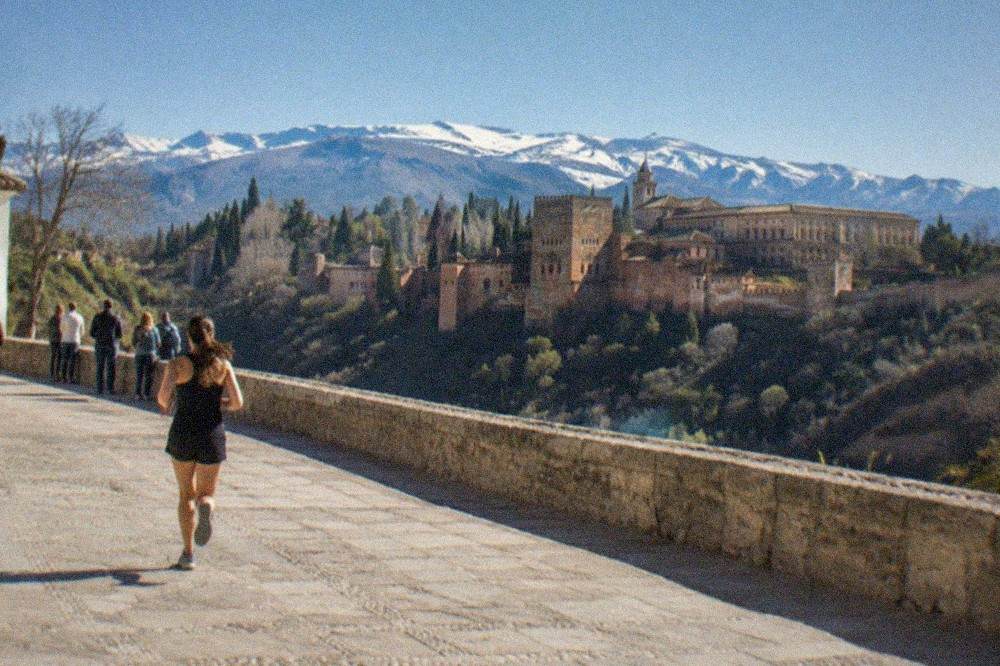
The climb from the Darro side is steep enough that less mobile visitors should treat it as a real outing, not a stroll. Allow the time to go up slowly, and in the colder months bring a layer: AEMET's normals put the January average low at 0.0°C, and the mirador sits exposed to the wind off the Sierra Nevada. Snow on the peaks is part of why people go up there in winter, and the temperature drop after dark is sharp.
The crowd itself is the safety feature. A viewpoint that reliably draws a sunset audience is not somewhere a solo visitor is isolated. The viewpoint has a police presence on busy nights in the high season because the crowd is large and predictable. The problems reported from the mirador are almost entirely phone and bag theft in the packed fifteen minutes around sunset, which is a pockets-and-zips problem, not a streets problem. If your evening also includes the Alhambra's night visit, the planning detail for that sits in the Alhambra night visit guide.
How Does The Albaicin Compare With Granada's Other Night Districts?
The Albaicin is comparable to Granada's other evening districts on personal safety and rougher underfoot, with the Realejo and the flat historic centre easier to walk and the Sacromonte cave-show strip busier later into the night. None of the city's main visitor districts has a reputation for violent night crime. On a practical safety ranking, the centre is the most forgiving and the Albaicin demands the most attention to footing.
Sacromonte deserves its own note. The cave flamenco shows run late, the Camino del Sacromonte is walked by show-goers all evening, and the two quarters connect along the hillside, so an Albaicin sunset often becomes a Sacromonte night. The Flamenco Show in a Cave Restaurant runs from $35 per person and is rated 4.4 from 686 reviews on its listing; the walk between the districts is the one stretch where a taxi back down at the end of the night is a reasonable call rather than an extravagance. For the broader evening picture across the city, the what not to miss in Granada roundup covers the rest.
The comparison also matters for choosing where to sleep. Staying inside the Albaicin means the late-night climb home is unavoidable, and travelers who value an easy walk back at 1am often prefer the centre or the Realejo instead. Staying up the hill, in exchange, puts the sunrise view on the doorstep and the quarter's lanes at their quiet best in the early morning.
Common Questions About Albaicin Safety At Night
Is Albaicin safe at night?
Yes. The Albaicin is one of Granada's busiest evening districts, with populated lanes, terrace bars and crowded viewpoints until late. The realistic risks are pickpocketing at the packed miradors and slips on steep, poorly lit cobbles, both avoidable with ordinary city caution and sensible shoes.
Is the Albaicin safe for solo travelers after dark?
On the main evening routes, yes. The spine from the Cuesta de la Alhacaba through Plaza Larga to the Mirador de San Nicolas carries foot traffic until late. A solo walker should avoid unlit residential cross-alleys after midnight and consider a guided evening walk or a taxi for the return leg.
Is the walk to the Mirador de San Nicolas dangerous at night?
No, and it is walked by hundreds of people every clear evening. The climb is steep and the paving polished, so grip and a flashlight matter more than security concerns. Retrace the busy route on the way down rather than cutting through side lanes.
Is pickpocketing a problem in the Albaicin?
Opportunistic theft is the quarter's main reported crime, concentrated at the Mirador de San Nicolas around sunset and on the Carrera del Darro when crowded. Zipped bags, front pockets and nothing left on the mirador walls cover the risk.
Are the Albaicin's side streets safe to explore in the evening?
The residential cross-alleys between the main routes empty quickly after dinner and can be unlit, with steep steps and uneven stone. They are not dangerous so much as isolating and easy to get lost in; explore them by day and stick to the busy lanes after dark.
Should I take a taxi back from the Albaicin at night?
A taxi or the descent via the LAC/C34 hillclimb bus route is a sensible end to a late evening, especially from Sacromonte after a cave show or in winter when the cobbles are wet. The walk down the main routes is fine for a confident walker; the shortcut alleys are not.
The short version: go up for the sunset, keep to the lanes that carry the crowds, guard the phone at the mirador, and treat the cobbles as the real adversary. The Albaicin at night is one of the great city walks in Andalusia, and with ordinary caution it stays that way.