Flamenco Granada Cave
Sacromonte's cave houses are where Granada's flamenco tradition lives closest to its roots. This guide covers what a cave show actually is, what it costs, and how to book one without guesswork.
Short answer
Cave flamenco in Granada means a show inside one of the whitewashed cave houses of the Sacromonte hill, the quarter where gitano families developed the zambra, a wedding-derived form of flamenco. The best-known ticketed option is the Los Amayas cave show, listed from $28 per person and rated 4.7 from 1,706 reviews; a cave-restaurant show with dinner runs from $35. Shows last roughly 1.5 hours and run most evenings.
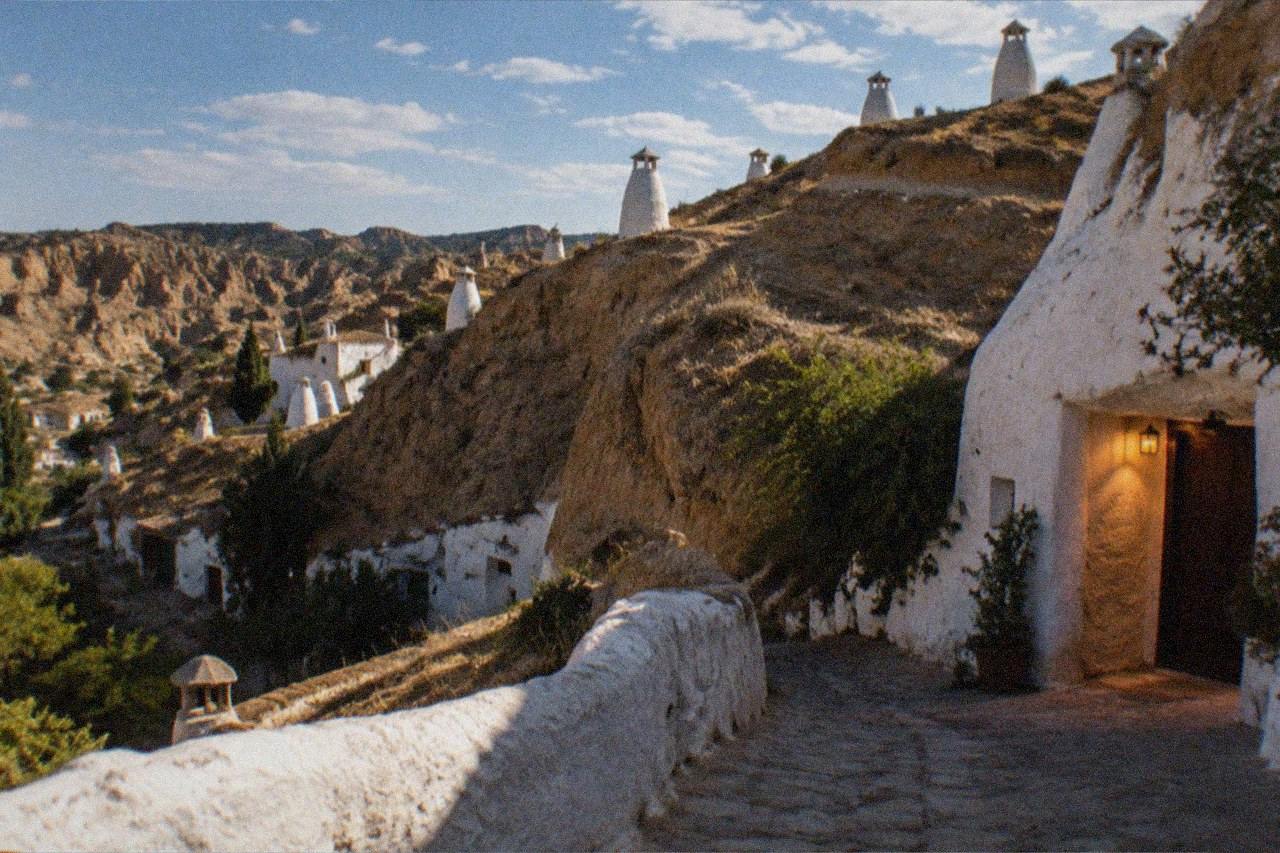
Sacromonte is the hill east of the Albaicin, a stack of whitewashed cave houses dug into soft rock, and it is the one Granada neighbourhood where flamenco is not a visitor import. The families who settled these caves kept a local form of the art alive, the zambra, and several of those same caves now run ticketed evening shows. This guide explains what a flamenco Granada cave show actually involves, what the real options cost, how the zambra differs from a stage tablao, and how to plan the evening, from getting up the hill to pairing the show with a tapas crawl afterwards. Everything priced here comes from the live listings on this site's tour pages; where a figure is a planning range rather than a listed price, it says so.
What Is Cave Flamenco In Granada's Sacromonte?
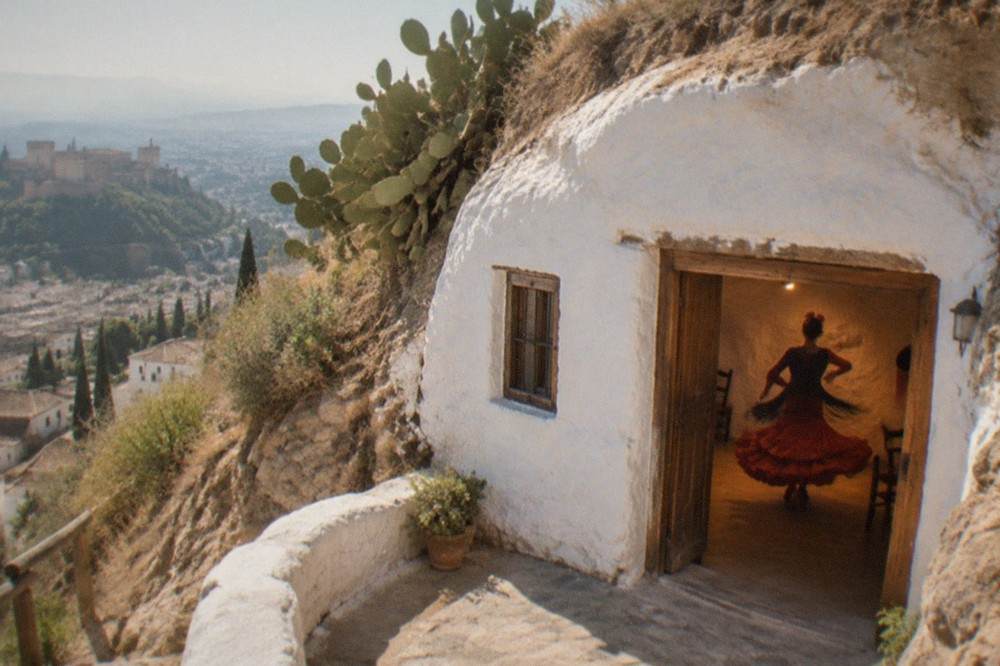
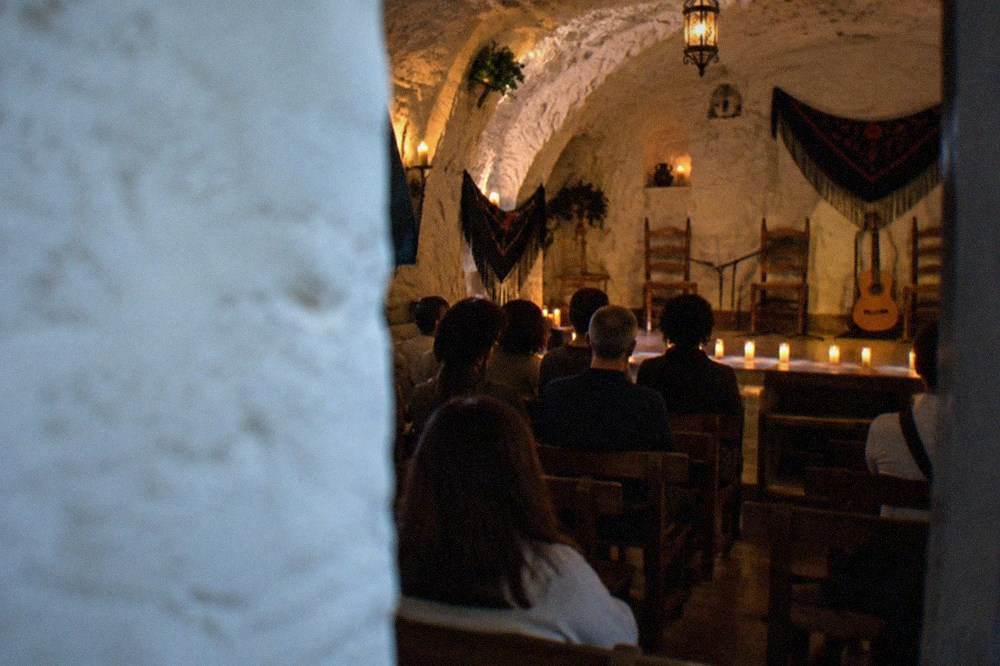
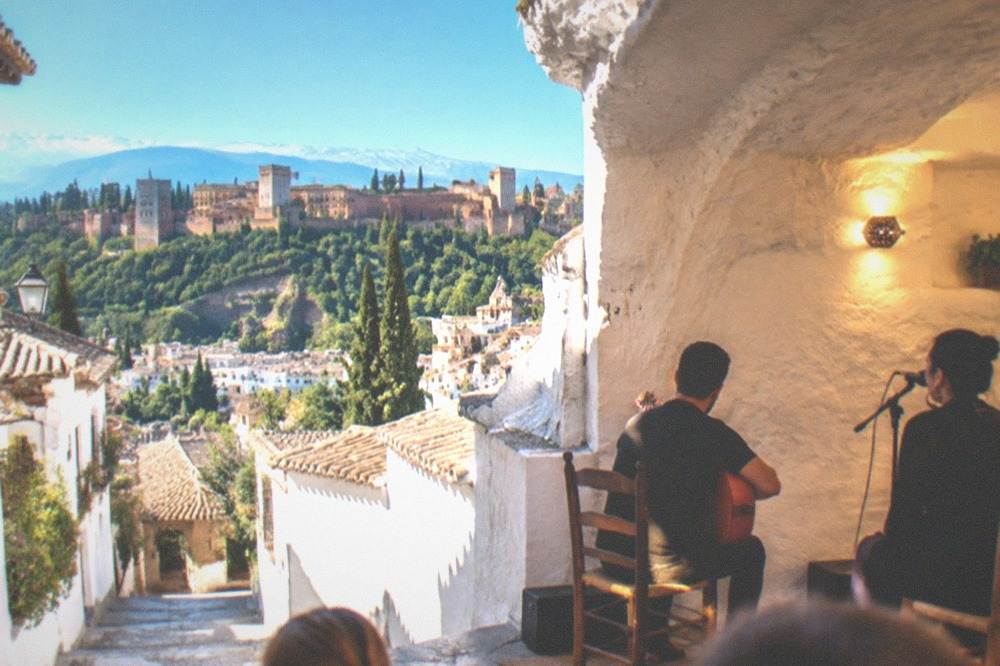
Cave flamenco is an intimate performance held inside one of the cave houses of the Sacromonte hill, where gitano families developed the zambra, a Granada-specific form of flamenco rooted in wedding celebrations. Unlike a city-centre tablao, a cave show seats you metres from the dancers in a whitewashed chamber carved from the hill itself. Shows typically run about an hour and a half, most evenings, in venues that hold only a few dozen people at a time.
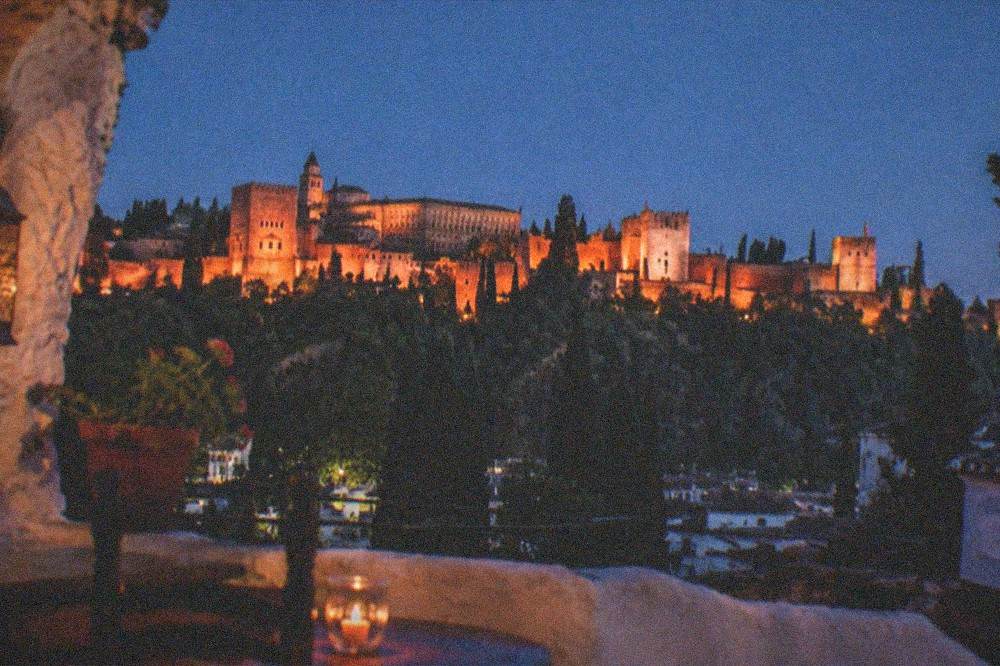
The cave setting is not scenery bolted onto a standard show. Sacromonte's houses are genuinely dug into the hillside, and the caves hold sound in a way a theatre cannot: the compas of the footwork comes up through the floor as much as through the air. The quarter's flamenco lineage is the reason Granada, rather than Seville or Madrid, became the city associated with cave performance. The broader flamenco landscape of the city is covered in the Granada flamenco guide, which sets out the difference between the tablao circuit downtown and the cave circuit up the hill.
A few practical points shape the experience. Cave chambers are small, low and cool even in summer, so arrive with less luggage than you would carry to a theatre. Photography rules vary by venue and are announced on the night. And because the audience sits close, front rows are not always the best seats; the sound mixes better a few rows back.
Where Do You See A Flamenco Granada Cave Show?
The two ticketed cave options listed on this site are the Los Amayas cave show in Sacromonte, from $28 per person and rated 4.7 from 1,706 reviews, and a flamenco show in a cave restaurant, from $35 per person and rated 4.4 from 686 reviews. The Los Amayas show is the dedicated cave performance; the cave-restaurant option pairs the same setting with a meal, which suits visitors who want the whole evening solved in one booking.
Choosing between them is mostly a question of what the rest of your evening looks like. The Los Amayas show is a straight performance: you walk up, you sit, you watch, you leave, and the rest of the night is yours to fill in the Albaicin or on Carrera del Darro. The cave-restaurant format folds dinner and the show into one sitting, which is worth the premium on a short trip where every evening counts. A full comparison of the city's show scene, including the downtown tablaos, sits in the answer page which is the best flamenco show in Granada.
For context on the setting itself, the Sacromonte cave museum preserves a row of restored cave houses a short walk from the show venues and is the best way to understand how these dwellings were actually lived in. If you are weighing Granada against Seville for flamenco specifically, the answer page which is better for a flamenco show, Granada or Seville works through the differences.
How Much Do Sacromonte Cave Flamenco Tickets Cost?
A standalone cave flamenco ticket starts at $28 per person for the Los Amayas show in Sacromonte, listed on this site's tour page, while the cave-restaurant show with dinner starts at $35 per person. Those are live-listing starting prices, not fixed rates: evening slots and peak-season dates price higher, and the exact figure for your date appears on the operator's live listing at the moment you check. Budget roughly $28 to $60 per person for the show alone depending on the date.
The honest way to plan is to treat those numbers as floors, not quotes. A mid-range planning table for the evening looks like this:
| Item | Listed starting price | Notes |
|---|---|---|
| Los Amayas cave show | from $28 per person | Rated 4.7 from 1,706 reviews; performance-only ticket |
| Cave-restaurant show | from $35 per person | Rated 4.4 from 686 reviews; show in a dining cave |
| Pre-show tapas in the Albaicin | varies by bar | Widely upheld local practice, not a guarantee at every venue |
| Taxi back to the city centre | check the meter on the night | Hill descent after dark is the usual taxi moment |
Two cost notes worth knowing. First, the free-tapa custom in many traditional Granada bars means a pre-show drink crawl can be genuinely cheap: a drink order typically comes with a complimentary small plate, though some venues have adjusted portions or pricing, and it is a local practice rather than a guarantee. The Granada tapas guide lists how the custom works street by street. Second, if you are building a multi-day itinerary around several paid sights, the Granada Card tiers, 72h EUR 60, 48h EUR 55, 24h night-Palaces EUR 50 and Jardines EUR 50 since 13 November 2025, cover monuments and transport but not flamenco shows, so a cave ticket is always a separate line in the budget. The Granada Card guide breaks down what each tier includes.
What Is A Zambra And How Does It Differ From Stage Flamenco?
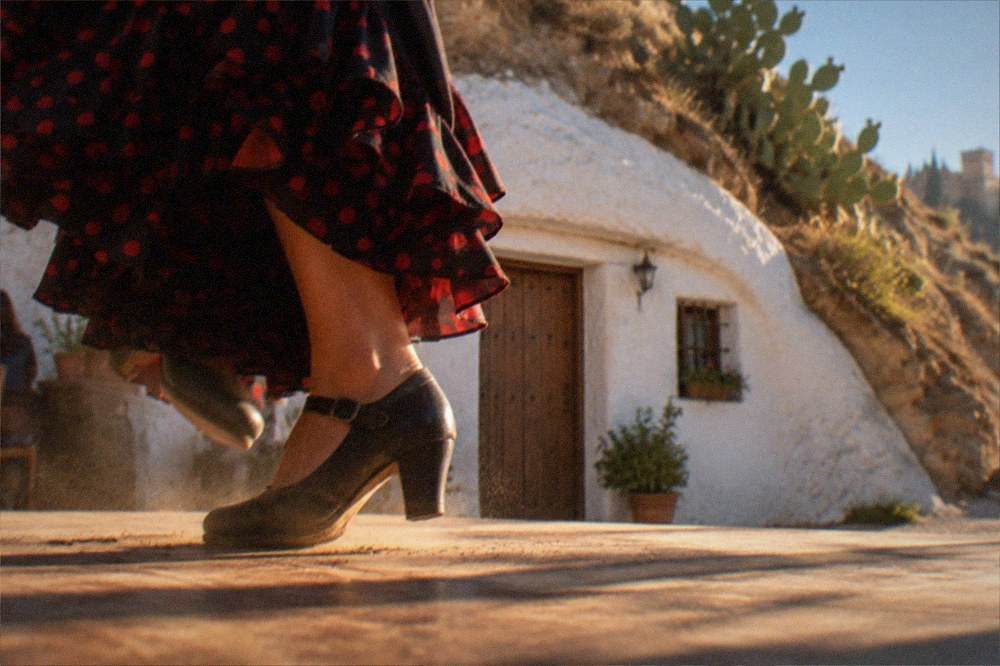
A zambra is the Granada-specific form of flamenco that Sacromonte's gitano families developed around wedding celebrations, performed in caves rather than theatres, and it is the direct ancestor of today's cave shows. Where a tablao presents a polished programme of numbered pieces, a zambra runs as a continuous, closer, more percussive evening in which the dancers' footwork and the audience's proximity are part of the music. The word and the form are Granada's own; you will not find the same tradition in Seville or Madrid.
The distinction matters when you are deciding what kind of night you want. A tablao downtown gives you polished choreography, a bar service and an easy walk home. A cave zambra gives you rawness, intimacy and a hill to climb, and the setting does half the work: the whitewashed walls, the low ceiling and the stone floor change how the sound and the evening feel. The question of whether a cave show in Sacromonte is really worth the trip has its own answer page, is there a flamenco show in the Sacromonte caves in Granada, which works through the common doubts.
A quick comparison of the two formats:
| Feature | Cave zambra (Sacromonte) | City tablao |
|---|---|---|
| Setting | Whitewashed cave chamber | Dedicated theatre-restaurant |
| Audience size | A few dozen | Larger, tiered seating |
| Style | Continuous zambra tradition | Numbered programme of pieces |
| Food | Show-only or cave-restaurant option | Dinner-and-show packages |
| Effort to reach | Hill climb or taxi | Flat, central locations |
Neither format is the "real" one and the other fake; they are different products for different evenings. What the cave uniquely offers is continuity with the quarter's own history, and the walk up through Sacromonte's cave-house lanes before the show is part of that.
When Is The Best Time Of Year For Cave Flamenco In Granada?
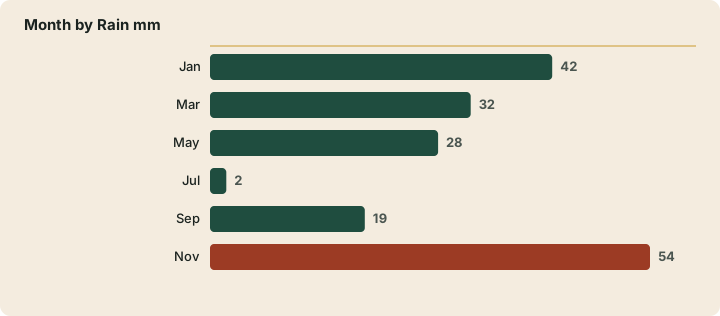
The most comfortable months for a cave show are April, May, June, September and October, when AEMET's climate data for Granada shows average highs of 20.6C to 29.4C and low rainfall, making the hill walk to Sacromonte pleasant before the show. July and August average 34.8C and 34.2C highs, so the caves' natural coolness becomes the main attraction, while winter months bring 54 to 56mm of monthly rain and average lows near freezing.
The full picture from AEMET's 1981-2010 normals for the Granada Aeropuerto station:
| Month | Avg high C | Avg low C | Rain mm |
|---|---|---|---|
| Jan | 13.0 | 0.0 | 42 |
| Mar | 19.0 | 3.8 | 32 |
| May | 25.0 | 9.4 | 28 |
| Jul | 34.8 | 15.7 | 2 |
| Sep | 29.4 | 12.8 | 19 |
| Nov | 17.0 | 4.2 | 54 |
Two seasonal notes go beyond the raw temperatures. Spring brings Cruces de Mayo, 1 to 3 May in 2026, and Corpus Christi, with the main procession around 4 June 2026, and the whole city is out in the streets in the evenings around those dates, which makes a cave night feel like part of a bigger festival. Semana Santa, roughly 29 March to 5 April in 2026, fills hotels and raises prices across the board. The month-by-month trade-offs are worked through in the best time to visit Granada guide, which also carries the full climate table.
One practical point specific to caves: the chambers stay cool year-round, so even in August a light layer is worth carrying for the seat time, and in winter the contrast between the warm cave and the cold lane outside is sharp.
How Do You Get To Sacromonte For A Cave Show?
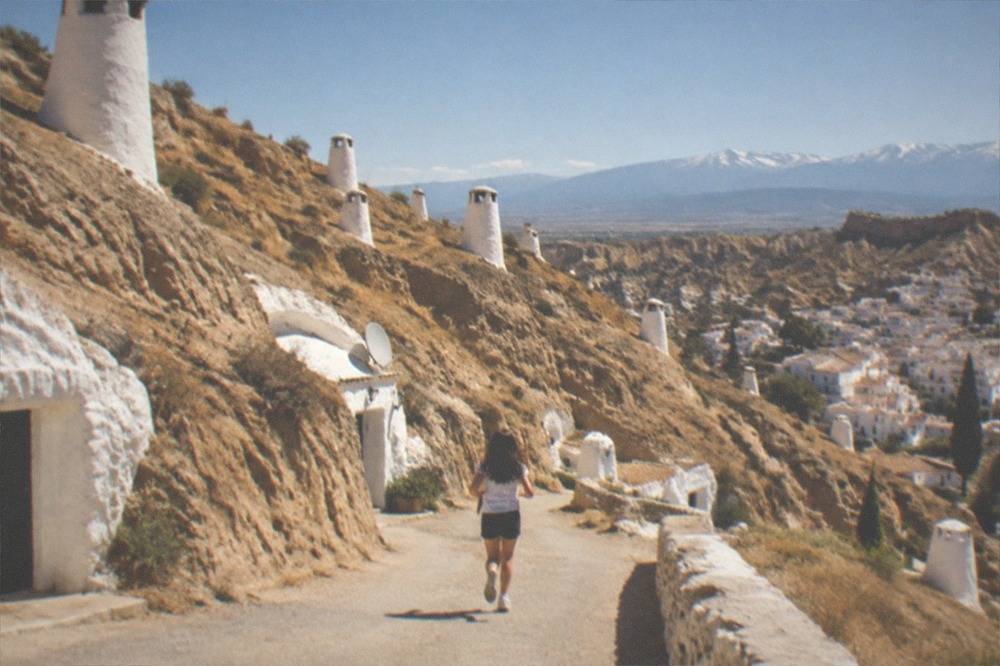
There is no metro line to Sacromonte: the Metro de Granada runs north-south through the city and does not serve the Alhambra or the Sacromonte hill, so the practical options are the LAC or C34 hill bus lines, a taxi, or the walk up from Carrera del Darro through the Albaicin. After the show, most visitors take a taxi down, since the lanes are steep and dimly lit.
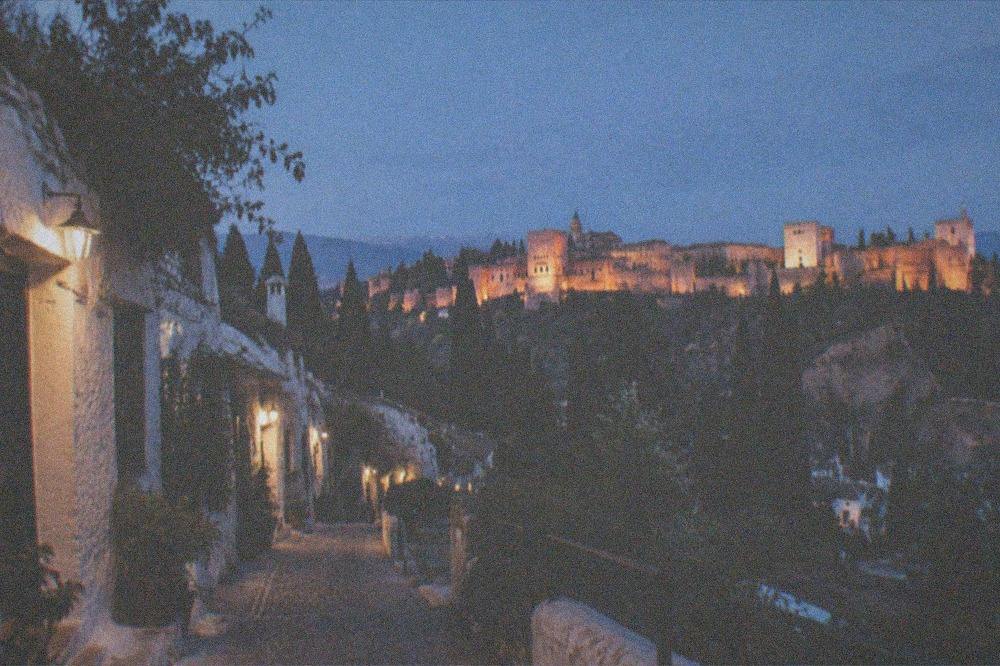
The walk up is genuinely part of the evening if you take the scenic line: up through the Albaicin past the Mirador de San Nicolas, then along the Camino del Sacromonte where the cave houses line the lane. Allow more time than a flat-city walk of the same distance would need, and note that the surface is uneven stone and packed dirt in places. Coming down, the same route in the dark is where most people decide the taxi was a good idea.
The transport picture for the wider city, including the airport bus and rail arrivals, is covered in the arrival guides; for choosing where to sleep relative to the hill, the where to stay in Granada guide maps the neighbourhoods, and staying in the Albaicin puts the cave shows within an easy evening walk.
What Else Should You Pair With A Cave Evening In Granada?
The strongest pairings are a pre-show tapas crawl through the Albaicin, a late dinner on Carrera del Darro afterwards, or a full-day contrast such as a Sierra Nevada hike or an Alpujarra villages tour earlier the same day, since both tours return to Granada by early evening and leave just enough time to reach Sacromonte for a show. The tapas option costs the least, and the mountain options cost from $67 and $81 per person respectively on this site's listings.
The mountain-and-flamenco combination is a genuinely Granadan day: the same Sierra Nevada you see from the cave-house lanes is hikeable on a guided route rated 4.9 from 420 reviews, and the Alpujarra villages tour, rated 4.6 from 344 reviews, covers the white villages on the range's southern flank. Both are listed on this site's tour pages with live availability.
For a slower version of the same contrast, the cave-dwelling theme continues beyond the city: Guadix, a day trip east of Granada, is famous for its own inhabited cave-house district, and the Guadix day-trip guide covers it. Closer to home, the best restaurants in Granada guide covers where to eat after the show, and the Sacromonte cave museum, described on the cave museum page, makes a good daytime companion to the evening's performance.
What Should You Know Before Booking A Cave Show?
Book the cave show the same way you book the Alhambra: early, online, and with no assumption of walk-up availability, because cave venues hold only a few dozen people per sitting and the popular evening slots fill first. Check the operator's live listing for your exact date, since starting prices move with demand, confirm the venue's arrival time, and plan the hill transport before dark rather than after. Cancellation terms vary by listing, so read them at checkout rather than assuming.
The booking-comparison picture for the two cave options:
| Option | Starting price | Rating | Reviews | Format |
|---|---|---|---|---|
| Los Amayas cave show | from $28 | 4.7 | 1,706 | Performance in a Sacromonte cave |
| Cave-restaurant show | from $35 | 4.4 | 686 | Flamenco in a cave restaurant |
| Sacromonte and Albaycin walking tour | from $50 | 4.6 | 141 | Guided walk, no show included |
| Albaicin and Sacromonte sunset walk | from $17 | 4.9 | 3,533 | Guided sunset walk, no show included |
Two of those rows are walks rather than shows, and they are listed because they solve a different problem: if you want the hill's context but not a ticketed performance, a guided walk covers the quarter's history and viewpoints for less than a show ticket. Some visitors do both, the sunset walk first, the show later. The related show listing is here:
A few final practicalities. Wear shoes that handle stone lanes and a hill. Bring the booking confirmation on your phone, since cave venues are small operations without box offices. If your trip is short, book the show for your first full evening rather than your last, so a cancellation or a sell-out still leaves you a night to rebook. And if you are arriving into the city that day, the arrival guides cover realistic door-to-hotel timings; the direct AVE from Madrid takes roughly 3h20 to 3h35, with advance fares indicatively from EUR 29 to 35 on third-party comparison sites, a range to re-verify at booking time rather than a locked fare.
Common Questions About Cave Flamenco In Granada
Is there a flamenco show in the Sacromonte caves in Granada?
Yes. Several cave venues in Sacromonte run ticketed evening flamenco shows, including the Los Amayas cave show listed on this site from $28 per person, rated 4.7 from 1,706 reviews, and a cave-restaurant show from $35. The full answer, including how the cave circuit differs from the downtown tablaos, is on the page is there a flamenco show in the Sacromonte caves in Granada.
Which is the best flamenco show in Granada?
For the cave experience specifically, the Los Amayas show carries the strongest review base on this site's roster, 4.7 from 1,706 reviews. The wider comparison, including downtown tablaos and dinner formats, is on the page which is the best flamenco show in Granada.
How much does a cave flamenco show in Granada cost?
Performance-only cave tickets start at $28 per person on the Los Amayas listing; a show in a cave restaurant starts at $35. Those are live-listing starting prices and move with date and demand, so check the operator's live listing for your exact evening.
How long does a cave flamenco show last?
The cave-restaurant show runs about 1.5 hours. Treat roughly ninety minutes as the planning norm for the cave circuit, plus the time to reach the hill and get down again afterwards.
Can you walk to Sacromonte from the city centre?
Yes, on foot via Carrera del Darro and up through the Albaicin, or along the Camino del Sacromonte past the cave houses. The route is steep with uneven stone surfaces, so allow more time than a flat walk of the same distance, and consider a taxi for the descent after dark.
Is a cave show better than a tablao in Granada?
They serve different evenings. A cave zambra offers intimacy, the quarter's own tradition and a memorable setting; a tablao offers polish, central locations and easier logistics. If flamenco tradition is the reason you are in Granada at all, the cave circuit is the one tied to the city's own history, as the Granada flamenco guide explains in depth.
The Evening In One Plan
A reliable first cave evening runs like this: tapas in the Albaicin before sunset, the walk up through the cave-house lanes while the light is still good, the show itself at around ninety minutes in the cool of the cave, then a taxi or a careful walk down to dinner on Carrera del Darro. Book the show before you book the restaurant, since the show's fixed start time is the one constraint the evening cannot flex around.
The order matters less than the two fixed points: the show start time and the hill. Everything else, the tapas route, the viewpoint stop, the dinner reservation, can slide around them. Visitors who try to reverse the order, dinner first then the climb, reliably arrive late and sweaty, and a cave chamber in July is unforgiving to anyone who rushed the lane. The planning pages on Things To Do In Granada cover every other piece of the trip, from Alhambra tickets to where to sleep, but the cave evening is the one that needs this specific sequence, and now you have it.
Book the cave, plan the hill, and let the rest of the evening find its own shape on the way down.