Which Is The Best Flamenco Show In Granada?
The best flamenco show in Granada depends on what you want: cave venues in Sacromonte, tablao shows in the centre, or free-to-enter neighbourhood peñas. This guide compares the top options with prices, ratings and booking advice.
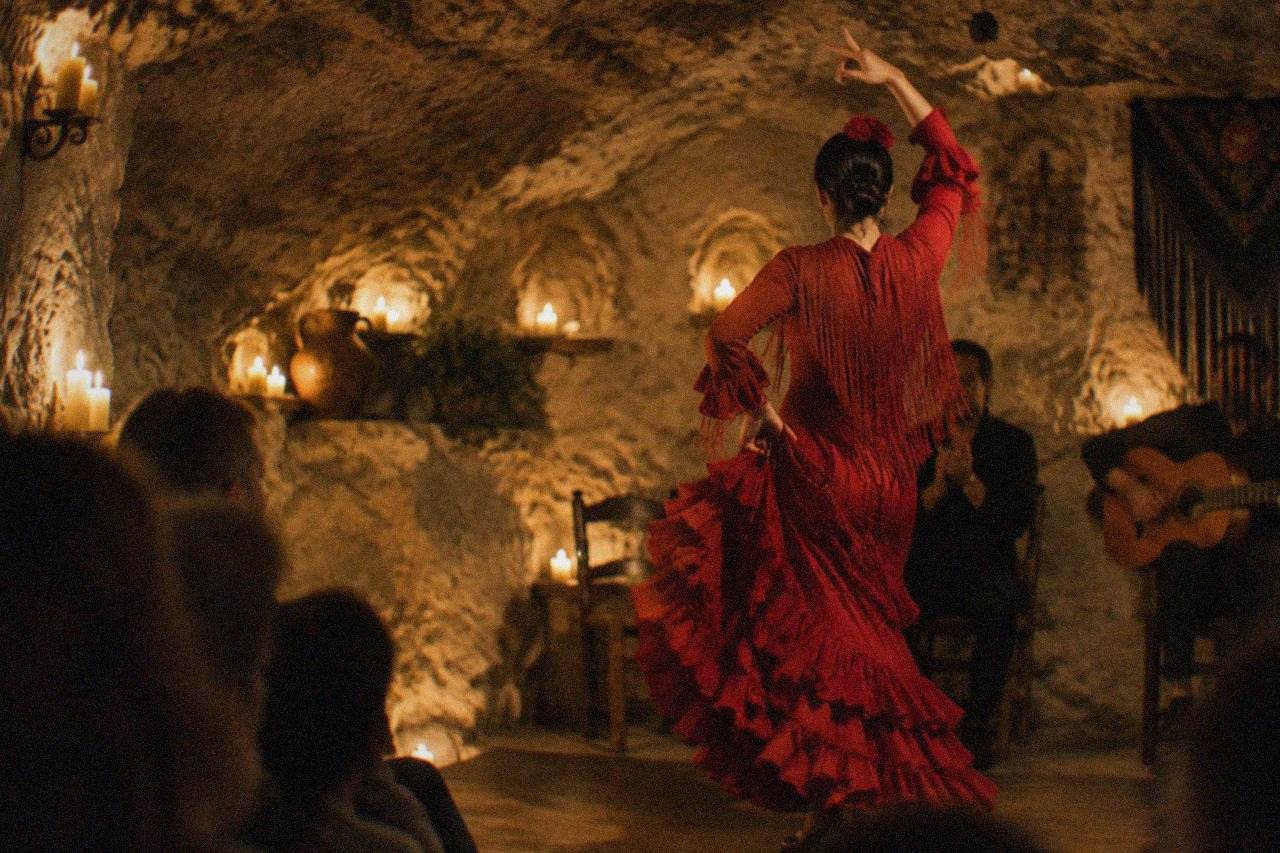
Granada is one of the two cities in Spain, along with Seville, where flamenco is not a visitor import but a neighbourhood practice. Sacromonte's cave houses have hosted zambra, the local Granada variant of flamenco, for generations, and the families who perform in them today are often direct descendants of the original dynasties. That matters for the question of which show to book, because "best" splits into three different answers depending on whether you want atmosphere, polish, or authenticity.
Which Is The Best Flamenco Show In Granada?
For most visitors the best flamenco show in Granada is the Los Amayas cave show in Sacromonte, a family-run zambra rated 4.7 from 1,706 reviews on the operator's live listing, from $28 per person. It combines a real cave venue carved into the hillside with performers from a local Roma family dynasty. If you want a seated dinner with the show instead, the cave restaurant option in Sacromonte, from $35 and rated 4.4 from 686 reviews, is the stronger pick.
That recommendation comes with a caveat worth stating plainly. There is no single official ranking of Granada flamenco shows, and the two products above are the ones this site's verified roster carries with published ratings and review counts. Granada's wider flamenco scene also includes the peñas, small member-run clubs where locals perform, and the larger theatre productions. Those are covered in the flamenco guide for Granada, and the differences between them matter more than any star rating.
The reason the cave venues win for most people is structural rather than artistic. A zambra in Sacromonte happens in a whitewashed cave a few minutes' walk from the Mirador de San Nicolas, with the Alhambra floodlit across the valley. The setting is part of the performance in a way no city-centre theatre can replicate, and it is the setting that UNESCO's 1994 extension of the Alhambra inscription to the Albaicin helps to protect, since the whole hillside quarter is inside the listed area.
What Is A Zambra And Why Does Granada Have Its Own Flamenco Tradition?
A zambra is Granada's own form of flamenco, performed in the cave houses of Sacromonte, and it differs from mainstream tablao flamenco in its structure, its Moorish-influenced wedding origins and its intimate cave setting. The word describes both the show and the tradition itself, and Sacromonte's zambra is formally recognised as part of Andalusia's heritage. It is the reason Granada, not Seville, is the home of cave flamenco.
Zambra grew out of Romani wedding celebrations held in the caves after the Christian reconquest of the city, when Granada's Morisco and Roma populations settled the Sacromonte hillside. The form survived centuries of pressure, carried on through generations of Sacromonte families, and today the families who run the cave venues, among them the Amayas, are typically the descendants of those original performers. The cave museum in Sacromonte documents this history in detail, and the Sacromonte cave flamenco guide covers which venues are still family-run.
What this means practically is that a zambra is shorter, rawer and closer than a theatre show. You sit within a few metres of the dancers, the guitar and the singer, often in a room holding a few dozen people, and the performance style is the local one rather than the polished Andalusian standard you would see in a Seville tablao. Some visitors find that rawness the entire point. Others prefer the choreographed dinner-show format, which is why the comparison below exists.
Cave Show Or City Venue: Which Flamenco Format Suits You?
Choose a Sacromonte cave show if atmosphere and authenticity are the priority, and choose a cave restaurant show with dinner if you want a full evening out in one booking, since the dinner-and-flamenco product runs from $35 per person for 1.5 hours while the standalone cave zambra runs from $28. City-centre formats trade the cave setting for comfort, later start times and easier walking access. The honest answer is that the cave setting is the one thing Granada offers that no other city can.
The trade-offs are concrete. Cave venues sit on the Sacromonte hillside, reached by a steepish walk up from Carrera del Darro or a short taxi ride; heels are a mistake and the caves themselves are cool even in August. Restaurant shows bundle the meal, so you arrive, eat and watch without moving between venues, but the flamenco is one act among several rather than the whole event. Theatre and peña formats in the city centre are easiest to reach but lose the hillside view.
| Format | Typical setting | Standalone price | Best for |
|---|---|---|---|
| Cave zambra (Los Amayas) | Sacromonte cave house | from $28 | Atmosphere, authenticity, the classic Granada experience |
| Cave restaurant show | Sacromonte cave with dinner service | from $35 | A full evening out in a single booking |
| City peña or theatre | Central Granada venue | varies by venue, check the listing | Comfort, accessibility, local audiences |
One honest note on the free-tapa side of a Granada evening: the complimentary tapa with a drink is a widely upheld local custom in traditional bars, not a guarantee at every venue, and it applies to bars rather than to ticketed shows. If you plan dinner around the show, the Granada food guide explains what to order.
How Much Should A Flamenco Show In Granada Cost?
A standalone cave zambra in Granada costs from $28 per person, a cave restaurant flamenco show with the venue's dinner service costs from $35 per person, and both figures come from the operators' live listings rather than a fixed price list, so the price at your booking date is the one that counts. Anything describing itself as free flamenco in Granada is either a pay-what-you-want walking tour format or a bar performance, not a seated show.
Price alone is a poor selector here. The gap between the $28 zambra and the $35 dinner show is small, and the real difference is what the evening contains. What is worth checking before booking is duration: the cave restaurant show runs about 1.5 hours, while a zambra evening in Sacromonte, including the walk up and the view from the mirador beforehand, comfortably fills three hours of your night. A one-day itinerary places flamenco in the evening slot for exactly this reason, because the Alhambra consumes the morning and the Albaicin the afternoon. The wider set of guides lives on Things To Do In Granada.
Booking timing matters less for flamenco than for the Alhambra, but the comparison is instructive. Alhambra General tickets cost EUR 22.27 on the live official pages and routinely sell out one to two months ahead in peak season, with online sales closing at 23:59 the day before the visit date. Flamenco cave shows have smaller rooms but more sessions, so same-week booking is usually realistic, though weekend nights in spring and during Semana Santa fill early. Semana Santa 2026 falls around 29 March to 5 April, and the whole city is full that week.
Is Granada Or Seville Better For Flamenco?
Granada is better for cave flamenco and the zambra tradition, while Seville is generally stronger for formal tablao flamenco and the larger theatrical productions; the two cities offer different formats rather than different quality levels. Granada's advantage is the Sacromonte cave setting, which Seville has no equivalent of, and its disadvantage is a smaller number of polished seated venues. If you can only see flamenco in one of the two cities, Granada's cave zambra is the format that cannot be replicated elsewhere.
This is one of the most common questions travellers pair with the booking decision, and the fuller comparison, including what Seville's tablao scene does better, is in the Granada versus Seville flamenco answer. The short version: Seville has more venues, bigger productions and the birthplace claim for flamenco as an art form, while Granada has the caves, the zambra and the hillside view of the Alhambra mid-performance. Visitors who see both usually describe the Seville show as more spectacular and the Granada one as more memorable.
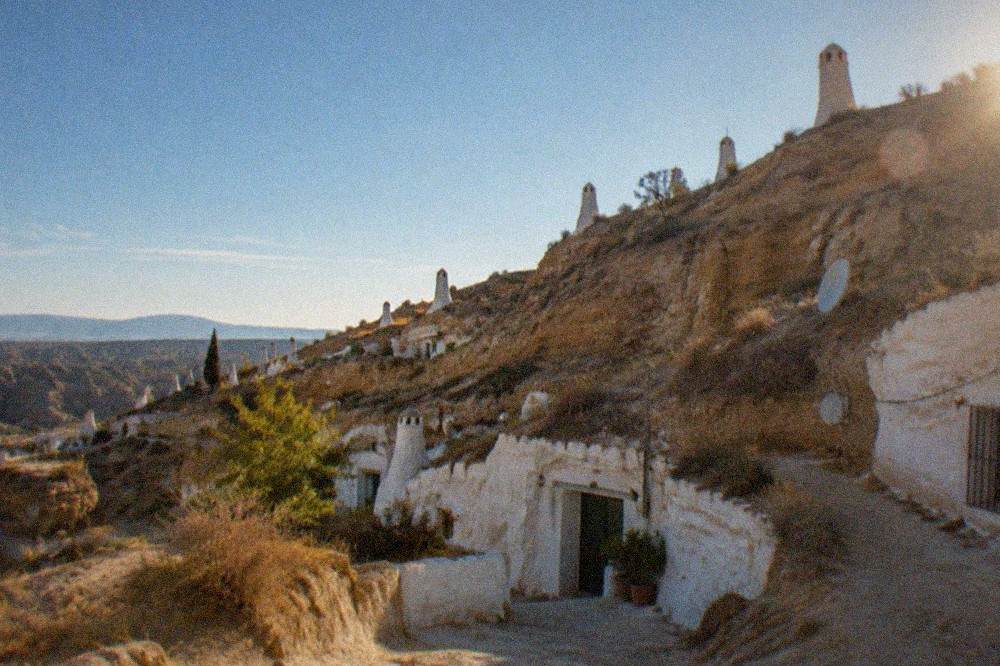
A practical point follows from this. If your Granada trip is short, the question of how many days to allocate matters more than which show to pick, and the answer on how many days in Granada is enough is that two days covers the Alhambra, the Albaicin and one flamenco evening without rushing. Flamenco works best as the last block of a day that has already taken you through the old quarters, because the show starts after dark and the walk up through Sacromonte at dusk is half the experience.
How Do You Book A Flamenco Show In Granada?
Book a Granada flamenco show through the operator's live listing a few days to a few weeks ahead, choosing your date and session time and paying at booking, since cave venues run small sessions that fill on weekend nights even though they do not sell out months ahead like Alhambra tickets. Check the cancellation terms on the listing before paying, and confirm the meeting point, since Sacromonte cave entrances are easy to miss from the street.
The mechanics are simple but the geography is not. Most cave venues sit on the Camino del Sacromonte, the road that runs along the top of the ravine, and the walk from the Carrera del Darro below involves stairs and unlit sections. A taxi to the top costs a few euros and saves the climb; going up on foot via the Mirador de San Nicolas at sunset is the scenic option, and the Sacromonte caves question covers which cave venues are genuine performance caves rather than converted bars.
Dress for the setting rather than the occasion. Caves hold a steady cool temperature year-round, floors are uneven stone, and the venues are small enough that front-row seats are almost guaranteed rather than a premium. Photography policies vary by venue, so check the listing; the respectful default at a family zambra is to watch rather than film.
The Los Amayas zambra is the show this page recommends for most visitors, and it is also the one that sells the cave experience most directly: a family venue, a hillside location and a performance tradition that belongs to this neighbourhood rather than to a theatre circuit. Pair it with an Albaicin sunset walk beforehand and the evening explains why Granada's flamenco reputation rests on setting as much as on steps.
Common Questions About Flamenco Shows In Granada
Which is the best flamenco show in Granada?
For most visitors the best flamenco show in Granada is the Los Amayas cave zambra in Sacromonte, rated 4.7 from 1,706 reviews on the operator's live listing, from $28 per person. It combines a genuine cave venue with a local family performance tradition. If you want dinner included, the cave restaurant show from $35 is the better fit.
Is Granada flamenco authentic?
Yes. Sacromonte's zambra is Granada's own flamenco form, performed in the same cave houses by descendant families of the original Roma dynasties. It differs from polished tablao flamenco but it is not a tourist invention; the tradition predates mass tourism in the city by generations.
How long does a flamenco show in Granada last?
The standalone cave zambra runs roughly an hour of performance, with the full evening including arrival and the hillside setting taking longer. The cave restaurant show is listed at about 1.5 hours including the meal service. Check the duration on the specific listing before booking.
Can you see flamenco in Granada for free?
Free-to-enter flamenco exists in the form of pay-what-you-want walking tours that include performances, and some bars host informal sessions, but the seated cave shows are ticketed. A free tour is a different product from a booked zambra, with no guarantee of a seated performance.
What should you wear to a Sacromonte cave show?
Wear flat shoes and bring a layer. The caves are cool year-round, the floors are uneven stone, and the walk up from the Carrera del Darro involves stairs and cobbled slopes. Smart-casual is fine; heels are a practical mistake.
The short version of all of the above: book the cave zambra if you want the Granada flamenco experience people remember, book the dinner show if you want one easy evening, and read the what not to miss in Granada answer to fit either one into the rest of your trip.