Flamenco Show Granada
Granada is one of the two or three cities in Spain where flamenco is not a tourist import but a local tradition, and the cave shows of Sacromonte are its most distinctive form.
Short answer
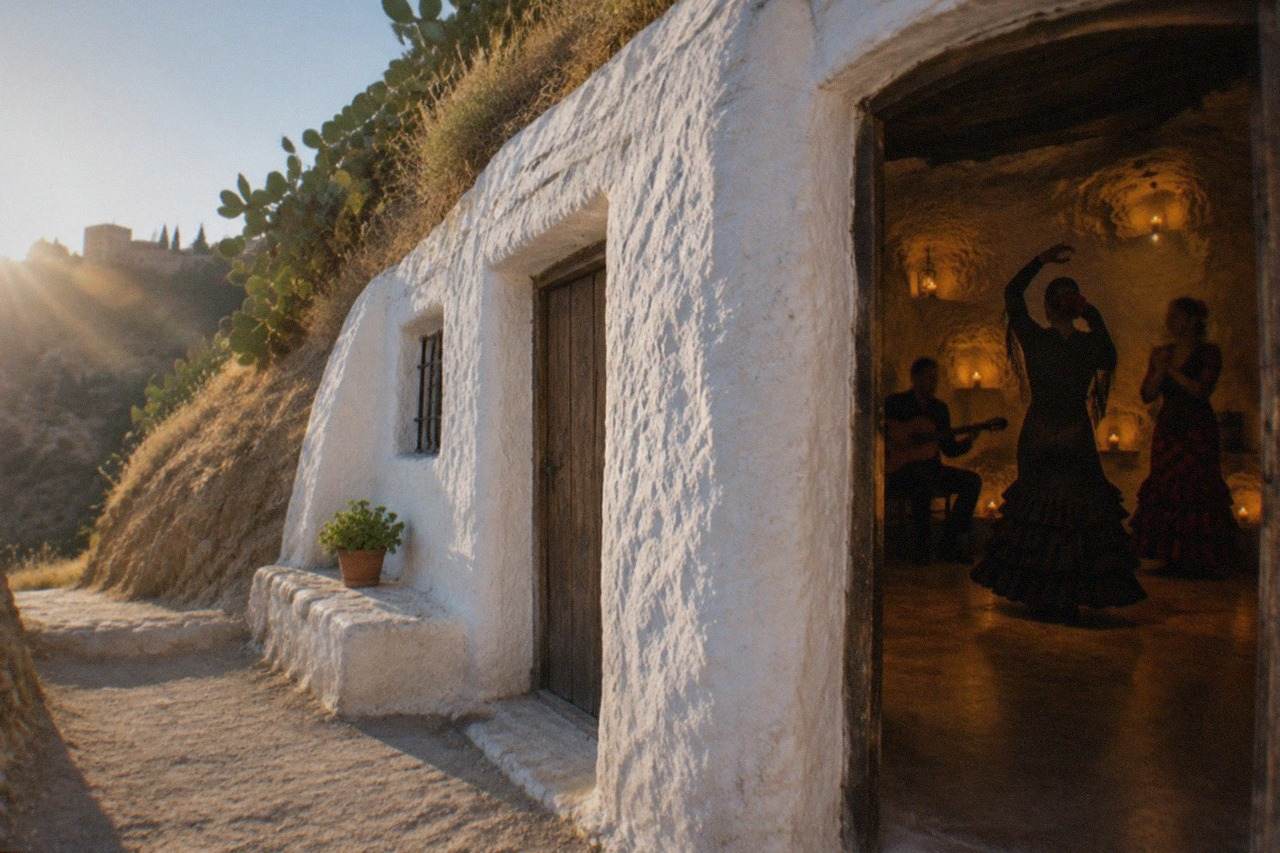
The classic Granada flamenco show is a zambra in a cave in Sacromonte: a small venue, a handful of performers, no stage distance between artist and audience. Shows run most evenings, tickets start from around $28 per person for a performance-only cave show, and booking ahead is the norm because the best-known caves fill up.
Granada treats flamenco as a neighborhood affair rather than a theater product. The city's most famous performances happen in caves, actual rooms carved into the soft hillside of Sacromonte, where gitano families have lived and celebrated for generations, and where the show is often close enough to touch. The Alhambra, Generalife and Albaicin were inscribed together as a UNESCO World Heritage listing in 1984, extended in 1994 to include the Albaicin quarter, and the cave district of Sacromonte sits directly across the valley from that monument, a fact that shapes almost every evening here: the walk to the show is part of the show. This guide from the Things To Do In Granada editors covers where the performances actually happen, what a zambra is, what tickets cost, and how to pick the right venue for an evening.
What Makes A Flamenco Show In Granada Different?
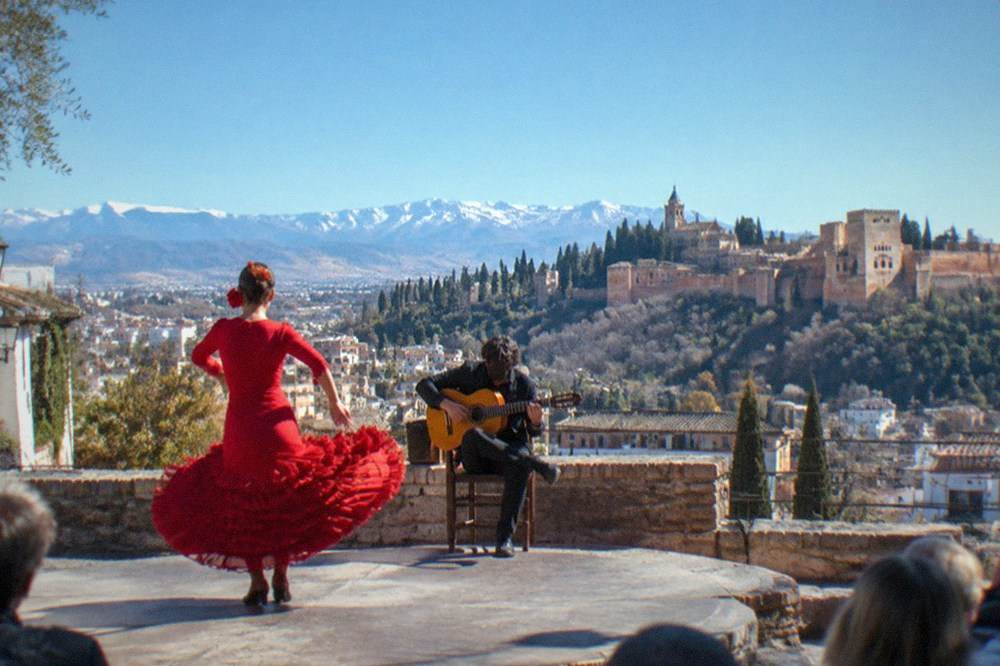
A Granada flamenco show is usually a zambra, a small-scale performance held in a cave or courtyard in the Sacromonte or Albaicin districts, with the dancers, singer and guitarist working within arm's reach of the audience rather than on a raised stage. The venues are tiny, the seating is informal, and the tradition belongs to the gitano families of these hills rather than to a theater company. That intimacy, plus the cave setting, is what separates Granada from the tablaos of Madrid or the great theaters of Seville.
The word zambra refers to a celebration, and in Granada it carries a specific meaning: a form of flamenco rooted in the wedding celebrations of the gitano community of Sacromonte. Where a tablao presents a polished program of palos, the distinct flamenco forms such as solea, alegrias and bulerias, a zambra leans on the older, looser styles associated with these hills. The performance may move from a slow siguiriya to a faster tangos within minutes, driven by the singer as much as the dancer.
The setting does half the work. A cave in Sacromonte is a whitewashed room with a low arched ceiling, and the acoustics of carved stone flatter a voice and a guitar box in a way a purpose-built theater cannot. The venues hold a few dozen people at most, which is why the same advice applies to every one of them: book ahead, because the seats are genuinely limited.
It is worth being clear about what this is not. These are professional shows, staged nightly in most cases, and the performers are working artists. The atmosphere is local and the tradition is real, but the evening is still a ticketed performance, not a spontaneous gathering you can wander into.
Where Should You See A Flamenco Show In Granada?
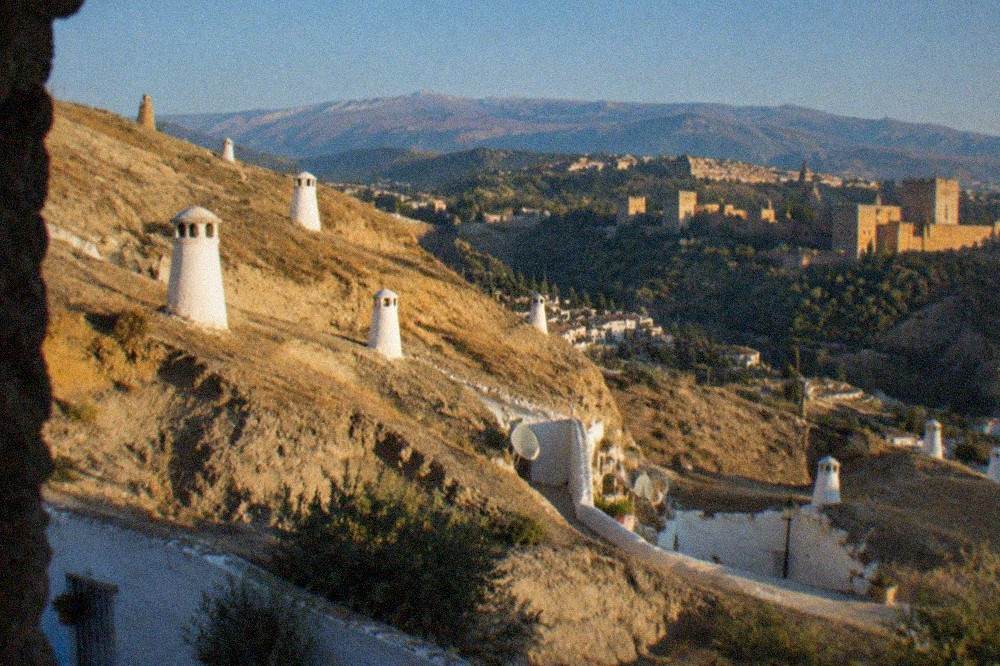
Sacromonte is the classic answer: the cave district east of the Albaicin holds the city's signature zambra venues, clustered along the Camino del Sacromonte. The second option is a tablao or courtyard show in the Albaicin or the city center, easier to reach on foot from most hotels and often paired with dinner. The third is a larger theatrical production, which Granada offers in smaller numbers than Seville. Most visitors choose between the first two.
The trade-off is atmosphere against convenience. Sacromonte caves deliver the raw, close-up experience Granada is known for, but the district sits on a hill reached by a steady climb, and the return walk after a late show is downhill through dim streets. City-center venues trade some of that character for a five-minute walk back to a hotel in the Realejo or around the Cathedral.
The practical comparison looks like this:
| Venue type | District | Typical setting | Atmosphere | Best for |
|---|---|---|---|---|
| Cave zambra | Sacromonte | Carved cave room, a few dozen seats | Raw, intimate, traditional | The classic Granada evening |
| Courtyard tablao | Albaicin | Open patio or converted house | Warm, informal, walkable | Combining with a tapas crawl |
| Dinner show | City center or Sacromonte | Restaurant with staged performance | Relaxed, longer evening | Visitors who want a full night out |
| Theater production | City center | Purpose-built stage | Polished, amplified | Large groups, seated comfort |
One Granada-specific point that surprises first-time visitors: the view is part of the deal. Many Sacromonte caves face the Alhambra across the valley, and the walk to the venue passes the same viewpoints as the Mirador de San Nicolas. Arriving early enough to watch the light change over the monument costs nothing and improves the evening considerably.
For a deeper comparison of the cave venues specifically, see the companion guide to Sacromonte cave flamenco, and for the broader question of which single show to pick, the answer page on the best flamenco show in Granada goes venue by venue.
How Much Does A Flamenco Show In Granada Cost?
A performance-only cave show in Granada starts from around $28 per person for the best-known Sacromonte venue, while a cave show with a meal runs from about $35 per person and up. Private and small-group experiences sit higher. These are the listed starting prices on the operators' live listings; actual prices move with date, seat type and season, so treat every figure here as a floor, not a quote.
The pricing logic is straightforward. A show-only ticket buys you the performance and usually a welcome drink. A dinner package adds a fixed menu, typically Andalusian, and roughly doubles the evening's length. Some venues offer drinks-only seating at the bar or in a back row at a lower rate, which is worth asking about if the front rows are gone.
| Experience | Listed from-price | Duration | What it covers |
|---|---|---|---|
| Cave flamenco show, Sacromonte | $28 per person | About 1 hour | Performance in the Los Amayas cave venue |
| Flamenco show in a cave restaurant | $35 per person | About 1.5 hours | Show with a meal in a Sacromonte cave restaurant |
| Walking food tour with tastings | $81 per person | About 3.5 hours | Guided tapas tour, a different kind of Granada evening |
Two booking realities are worth stating plainly. First, the famous caves are small, and on weekends, during festivals and across the spring and summer high season they fill completely; a same-evening walk-up is a gamble, not a plan. Second, most listings on this site are cancellable: the standard window is free cancellation up to 24 hours before the show, which means booking early carries almost no risk. Check the specific terms on the live listing before you commit.
If your evening plans are still loose, the Granada Card does not cover flamenco shows, but it does cover the monuments, and pairing a full sightseeing day with a late cave show is the pattern most visitors end up following. The Granada Card guide breaks down what each tier includes.
What Is A Zambra And Why Does Granada Claim It?
A zambra is the Granada-specific form of flamenco celebration that grew out of gitano wedding festivities in the caves of Sacromonte, and the word itself is older than the modern flamenco stage. Granada claims it because the tradition was born and kept alive here, in the same hillside community that still performs it nightly. No other Andalusian city offers the zambra in its original setting, which is why the cave show is the one Granada experience that cannot be replicated in Seville or Cordoba.
The distinction matters when you are choosing an evening. A general flamenco show follows the tablao format: a program of distinct pieces, each a named palo with its own rhythm and mood. A zambra is looser and more continuous, built around the styles associated with Sacromonte's families, and the transitions between songs are decided in the moment by the performers.
The setting is inseparable from the claim. The cave houses of Sacromonte were home to the community that developed this style, and the venues operating today are those same caves, or caves carved in the same manner on the same hill. When people say you can only see this in Granada, they mean the combination of form and place: the zambra exists elsewhere only as a borrowed name.
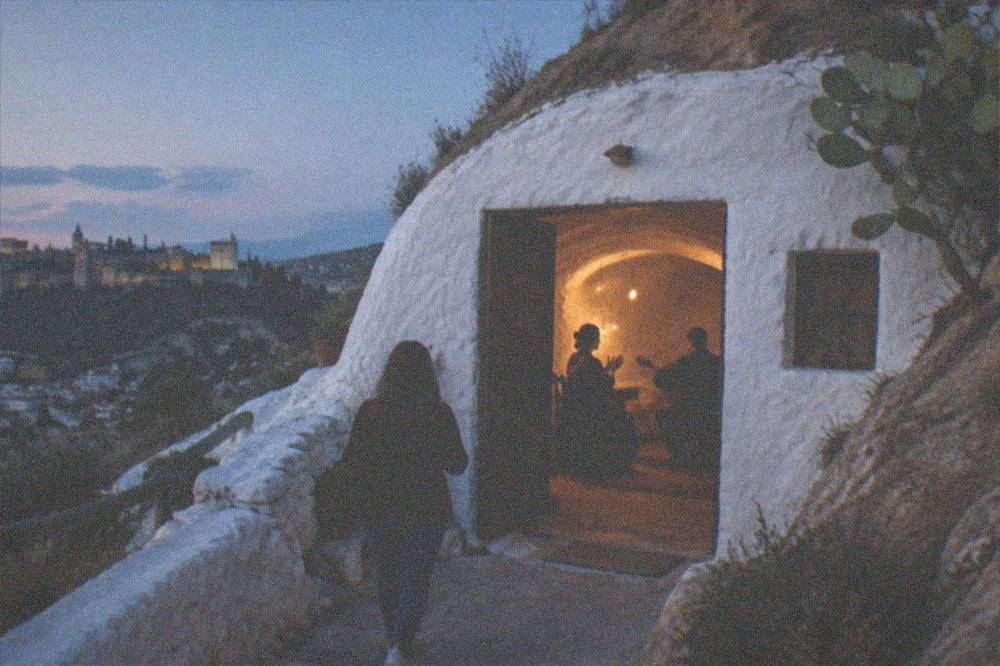
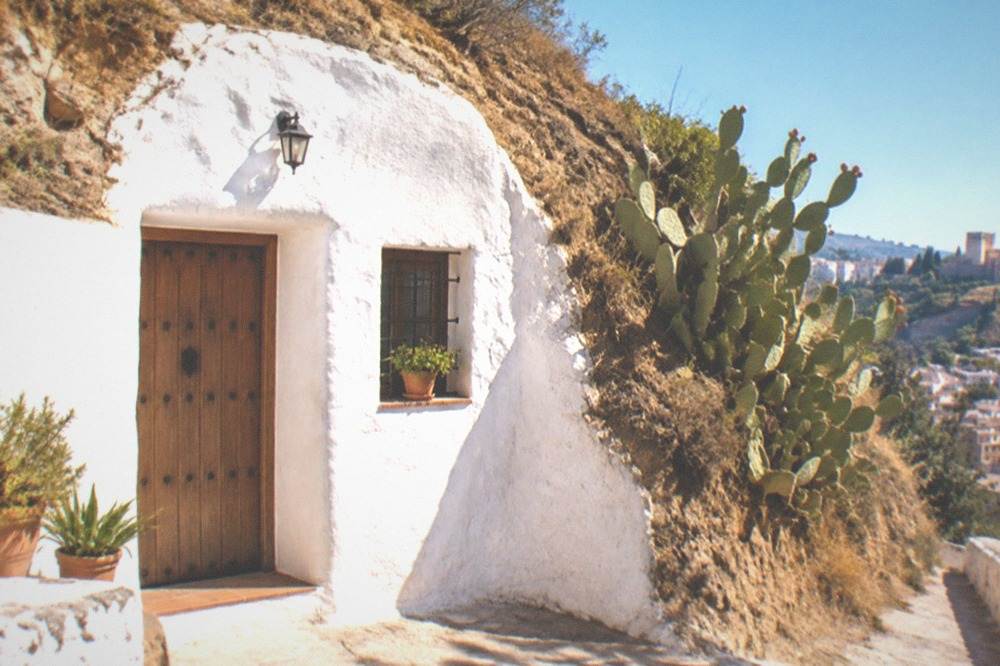
Do people still live in the Sacromonte caves? Some do, though far fewer than in the tradition's heyday, and the district today mixes family homes, venues and museums. The question comes up often enough that it has its own answer page on whether the Sacromonte caves are worth visiting, which also covers the cave museum where you can see a reconstructed dwelling.
Which Granada Flamenco Show Should You Book?
For most visitors the best first choice is the Los Amayas cave show in Sacromonte, a performance-only zambra from around $28 per person that delivers the classic cave experience without committing your whole evening. If you want dinner included, the cave restaurant show from about $35 per person adds a meal in the same hillside setting. If flamenco is one item on a longer list rather than the point of the night, a tapas and wine tour through the old town is a strong alternative evening.
The reasoning behind that ranking is practical. The performance-only format keeps the night short: you are out for roughly an hour plus the walk, which leaves room for drinks afterward in the Albaicin or an early night before an Alhambra morning. The dinner format is better for a slower evening or for visitors who do not want to arrange a separate restaurant, and it is the natural choice for celebrations.
The Los Amayas show is the most-reviewed cave performance in the city on the roster, rated 4.7 from 1,706 reviews, and its listing price of $28 per person is the lowest entry point to a genuine cave zambra. Check availability on the live listing for your date.
The cave restaurant show, rated 4.4 from 686 reviews and listed from $35 per person, suits anyone who prefers the evening structured around a meal. Its own tour page on this site carries the full venue details, menu options and live availability for each date, so compare the two listings directly if the dinner format appeals.
For the alternative evening, the tapas and wine small-group tour, rated 4.9 from 933 reviews and listed from $78 per person, moves through the old town's bars over about three and a half hours. Granada's tapas custom, where many traditional bars bring a complimentary small plate with each drink, makes this format unusually good value, and the tour guide steers you to the bars that still uphold it. The custom is local practice rather than a guarantee at every venue, which is exactly why a guided version works: someone else has already found the bars where it holds true.
What Should You Expect At A Cave Show In Sacromonte?
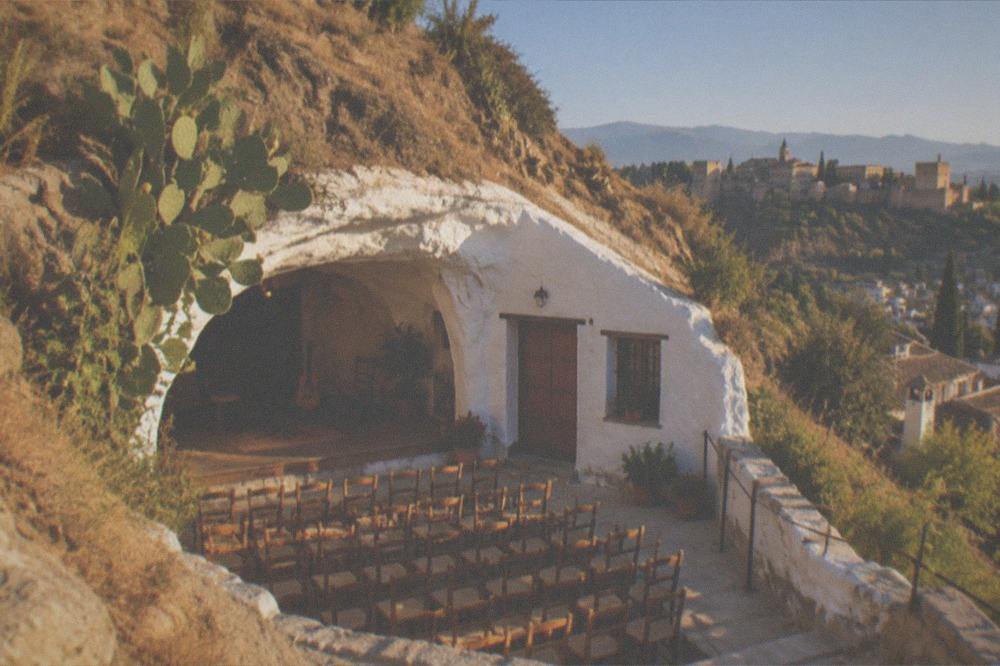
Expect a small whitewashed room, rows of simple chairs close to the performers, a set lasting around an hour, and an atmosphere that is closer to a living-room gathering than a theater performance. Photography rules vary by venue, late arrival is disruptive because the room is small, and the walk up the Camino del Sacromonte takes a steady fifteen to twenty minutes of uphill from the Albaicin, so build in time. Wear shoes you can walk a hill in.
The evening typically unfolds like this: you arrive, you are seated, often with a welcome drink included, and the performers open with the singer and guitarist before the dancers join. The audience sits close enough to see the footwork, which is the point of the format. Applause and jaleo, the shouted encouragement that is part of flamenco culture, are welcome; recordings and flash photography generally are not, and each venue posts its own rule at the door.
A few planning notes that first-timers ask about:
| Question | What to expect |
|---|---|
| How long is the show? | Around one hour for a performance-only zambra |
| Is there a dress code? | None; comfortable walking shoes matter more than style |
| Can children attend? | Most cave venues admit children; check the listing's policy |
| Is seating assigned? | Varies by venue; early arrival usually means better seats |
| Can you photograph? | House rules differ; no flash is the universal baseline |
The return walk deserves a sentence of honesty. After a show ends late, the descent through the Albaicin is unlit in stretches, and the standard advice for any visitor to Granada applies: stick to the main streets, keep valuables out of sight, and take a taxi from the bottom of the hill if in doubt. The question of whether the Albaicin is safe at night is covered in full elsewhere on this site.
When Is The Best Time Of Year For Flamenco In Granada?
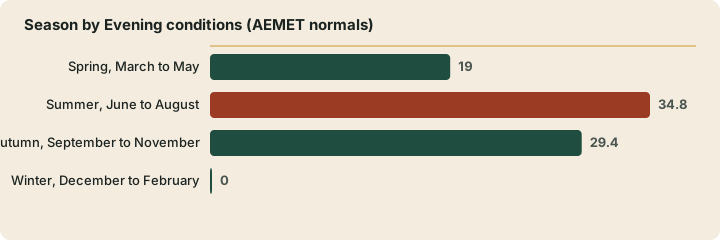
Any month works, because the cave venues perform year-round, but the sweet spots are spring and early autumn, when evening temperatures are comfortable for the hill walk and the city is not at its most crowded. July and August evenings stay warm, AEMET's climate data shows average July lows of 15.7C with highs of 34.8C, so the walk up is hot but the cave itself stays cool. Winter shows are perfectly viable and the caves are heated spaces, though January nights average 0C.
The cave is the great equalizer here. Carved stone holds a stable temperature, which means a July show is cooler than the street outside and a January show is warmer. The real seasonal variable is crowds: Granada's peak visitor months fill the Alhambra and the caves alike, and the same sell-out logic applies to both.
| Season | Evening conditions (AEMET normals) | Cave show experience |
|---|---|---|
| Spring, March to May | Highs 19.0C to 25.0C, mild nights | Comfortable walk, busy venues |
| Summer, June to August | Highs up to 34.8C, warm nights | Hot climb, cool cave, peak demand |
| Autumn, September to November | Highs 29.4C falling to 17.0C | Best balance of weather and space |
| Winter, December to February | Lows near 0C, highs around 13.0C | Quieter venues, cold walk, warm cave |
Two calendar periods deserve special mention. Semana Santa, Holy Week, falls around 29 March to 5 April in 2026 and transforms the entire city, with processions through the old quarters every night; a flamenco show booked that week competes with, and complements, one of Spain's great spectacles. The guide to Semana Santa in Granada covers the overlap. For the fuller month-by-month picture, see the best time to visit Granada.
How Do You Get To The Sacromonte Cave Venues?
On foot from the Albaicin via the Camino del Sacromonte, by taxi to the top of the district, or by city bus partway and the rest on foot. The one thing to know is that Metro de Granada does not reach Sacromonte or the Alhambra: the metro runs north-south through the city and metropolitan area only, so it is no help for a cave show. Most visitors walk up from the Mirador de San Nicolas end of the Albaicin and take a taxi down.
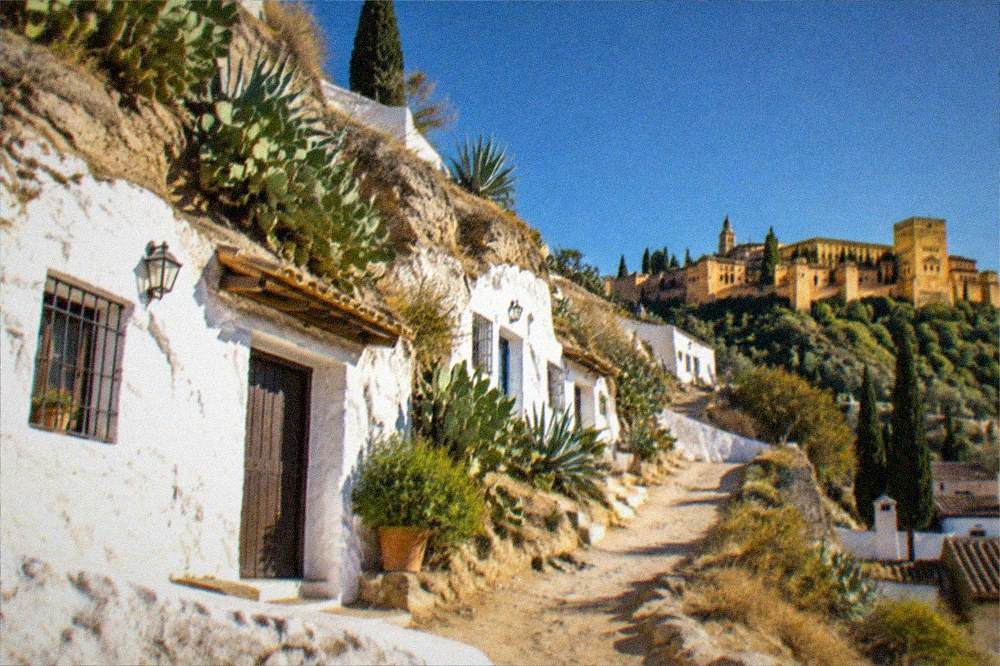
The walk is genuinely part of the evening. From the Albaicin, the route climbs past the cave-house terraces with the Alhambra floodlit across the valley, and the venues line the road once you are on the Camino del Sacromonte itself. Allow more time than a map suggests, because the gradient is real and the views invite stopping.
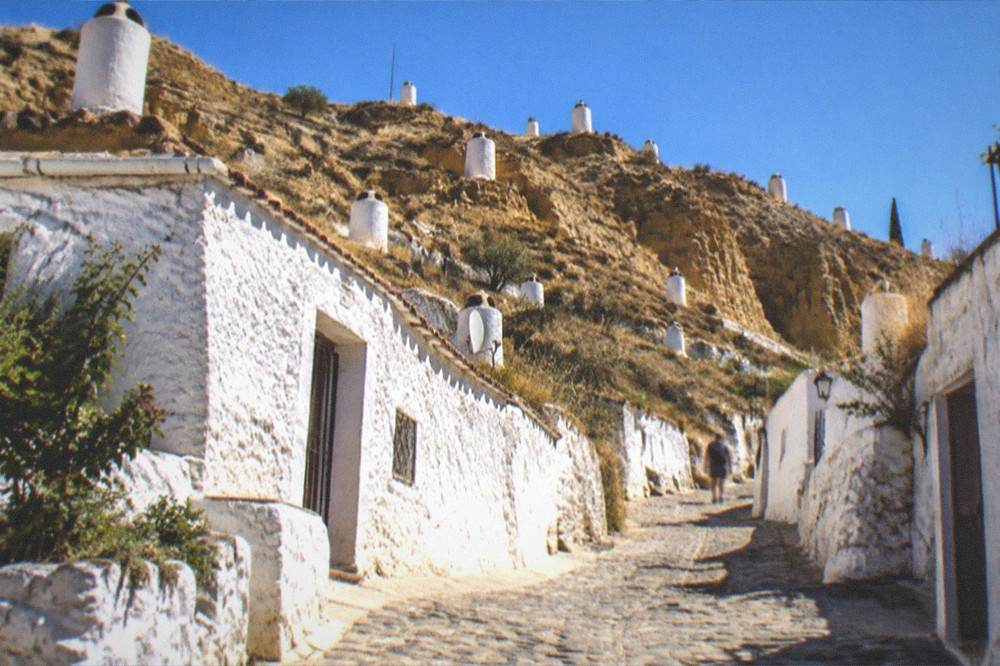
If you are staying elsewhere in the city, a taxi to the top of the Camino del Sacromonte solves the climb entirely and costs a fraction of the show ticket; agree the drop-off point with the driver, since the lane narrows. Visitors arriving from further afield should start with the practical guides: getting to Granada from Madrid, from Seville or from Malaga, and the Granada airport guide for the transfer in from the terminal.
How Does A Flamenco Evening Fit Into A Granada Itinerary?
Easily, because the shows are late and short. The standard pattern is a sightseeing day built around the Alhambra or the old town, an early dinner or tapas crawl in the Albaicin, the walk up to Sacromonte for a show starting in the evening, and drinks afterward. The Alhambra requires a timed Nasrid Palaces slot that is strictly enforced, so book that first and slot the flamenco evening around it; the two are the natural bookends of a first Granada visit.
The sequencing advice is simple. Do the Alhambra first, or on a separate day, because its timed entry and its sell-out reality, the General ticket routinely goes one to two months or more ahead in peak season, mean it is the least flexible item in any plan. A flamenco show, by contrast, is flexible: multiple venues, multiple nights, and cancellable bookings up to 24 hours ahead on most listings.
For travelers fitting Granada into a fixed window, the itinerary guides cover the combinations: one day in Granada, two days and three days. In every version, the flamenco evening slots into the last night, after the monuments are done and the legs still have one hill left in them.
Common Questions About Flamenco In Granada
Which Is The Best Flamenco Show In Granada?
The Los Amayas cave show in Sacromonte is the most-reviewed cave zambra on this site's roster, rated 4.7 from 1,706 reviews and listed from $28 per person, and it is the strongest default for a first visit. The fuller venue-by-venue comparison lives on the dedicated answer page.
Is There A Flamenco Show In The Sacromonte Caves In Granada?
Yes, several. The Camino del Sacromonte holds the city's cave venues, including the Los Amayas cave and the cave restaurant used by the dinner show, and they perform on most evenings year-round. This is the original setting of the zambra tradition.
Which Is Better For A Flamenco Show, Granada Or Seville?
Granada offers the cave zambra, a format Seville cannot match, while Seville offers larger theatrical productions and a broader tablao scene. Most travelers pick Granada for intimacy and Seville for scale. The dedicated comparison page breaks down the differences.
How Much Does A Flamenco Show In Granada Cost?
Performance-only cave shows are listed from around $28 per person, and dinner-show formats from about $35 per person. Prices move with date and season, so check the live listing rather than treating any figure as fixed.
How Long Does A Cave Show Last?
A performance-only zambra runs about an hour, and a dinner show about an hour and a half including the meal. Add the walk up the hill, and most visitors budget two to three hours for the whole evening.
Do You Need To Book A Granada Flamenco Show In Advance?
Yes, for the well-known caves on weekends and in high season, because the rooms hold only a few dozen people. Most listings allow free cancellation up to 24 hours before, so booking early costs nothing if plans change.