Where To Stay In Granada
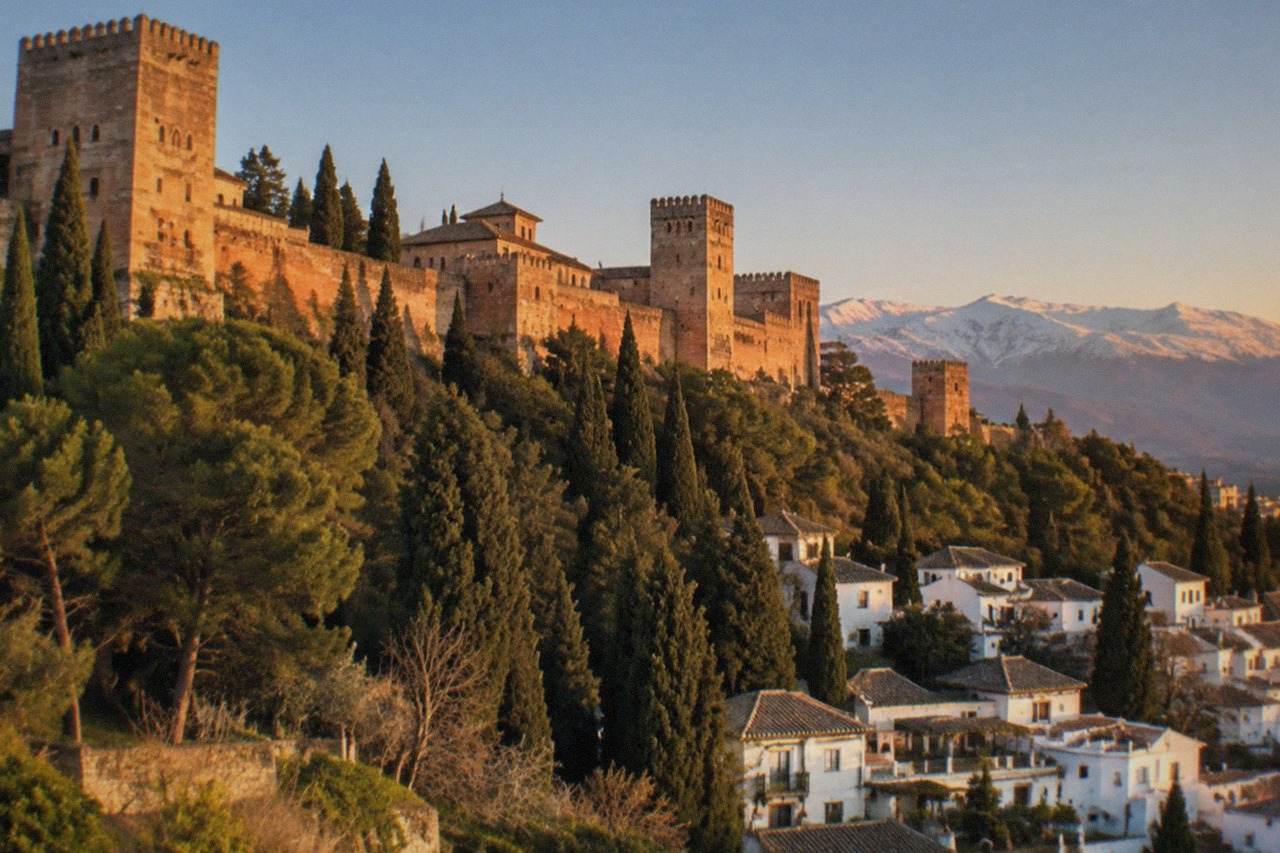
Granada's hotel map is small but sharply divided: the Albaicin and Sacromonte trade views and atmosphere for steep hills, the Realejo and old town trade convenience for calm, and the Alhambra's own Parador sits inside the monument itself. This guide matches each district to the trip you are actually planning.
Short answer
Most first-time visitors should stay in the Realejo or the old town around the Cathedral and Royal Chapel: central, flat enough to walk, and within reach of the Alhambra by the LAC/C34 hillclimb bus. Choose the Albaicin for views and atmosphere, Sacromonte for cave flamenco, and the Granada Card if you plan to pack the monuments into 2-4 days.
Granada squeezes a UNESCO World Heritage city, a hilltop palace complex and a ski resort into a metro area you can cross end to end in well under an hour. The Alhambra, Generalife and Albaicin were inscribed together in 1984, with the Albaicin added to the listing in 1994, which tells you the essential thing about where to sleep here: the two most famous halves of the city face each other across the Darro valley, and almost every practical decision about accommodation follows from which side of that valley you choose. The Patronato de la Alhambra's own figures put 2025 attendance at 2,726,861 visitors, close to its annual capacity ceiling of roughly 2.763 million, so the neighbourhood you pick also decides how early you can be at the ticket gate. This guide is part of Things To Do In Granada, the site's full planning layer for the city.
Where To Stay In Granada For First-Time Visitors?
For a first trip, the Realejo and the streets around the Cathedral and Royal Chapel are the most forgiving base: flat, central, walkable to the tapas bars of the old town, and connected to the Alhambra by the LAC and C34 hillclimb bus rather than a long uphill walk. The Albaicin is the more atmospheric choice and the one most visitors remember, but its cobbled slopes reward travellers who pack light. The trade is simple. The city centre puts the Cathedral (EUR 10 individual entry during the 2026 Kerygma exhibition, EUR 7 from 29 November 2026) and the Royal Chapel (EUR 7 individual) minutes from your door, while the Albaicin puts the Mirador de San Nicolas sunset view outside it. Neither is a wrong answer; one is easier on the legs.
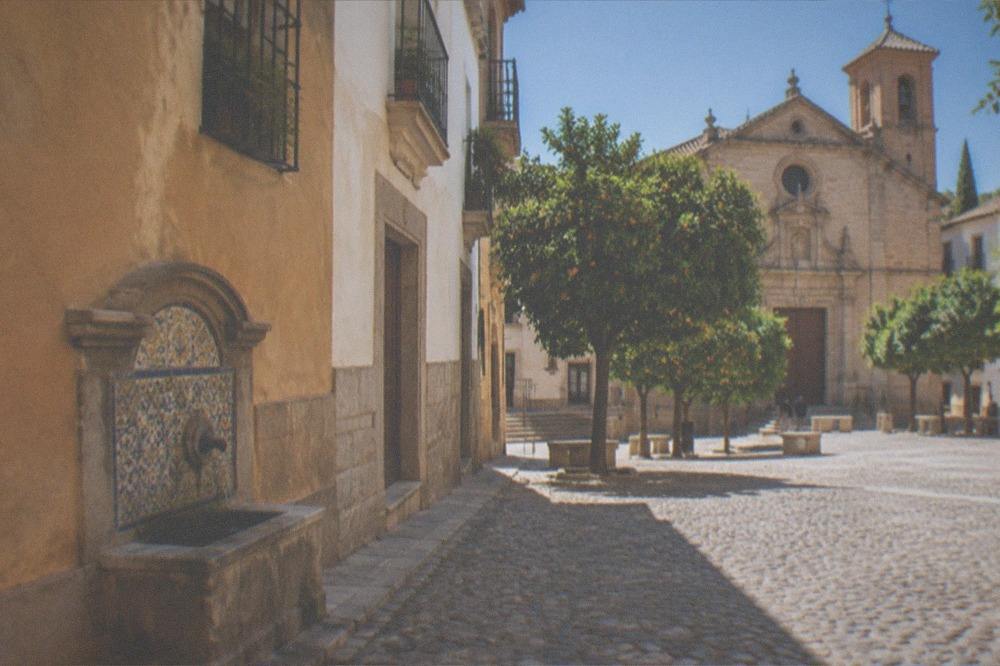
The old town around the Cathedral is where Granada's Christian-monument cluster sits: the Cathedral itself, the Royal Chapel where the Catholic Monarchs are buried, the Alcaiceria's reconstructed Moorish silk market, and the Gran Via de Colon artery that carries the LAC bus toward the Alhambra. Staying here means the Albaicin, Sacromonte and the Alhambra are all trips outward from a flat, well-serviced core. The Realejo, Granada's old Jewish quarter on the slope just below the Alhambra, is quieter, more residential, and threaded with street art around the Campo del Principe square. It is the compromise most repeat visitors settle on.
Practical anchors matter more than vibe when it is your first visit. The Alhambra's General ticket costs EUR 22.27 at the live official price, sells out one to two months or more ahead in peak season, and online sales close at 23:59 the day before your visit date, so wherever you sleep, you book the palace before you book the bed. The answers page on where to stay in Granada for first-timers works through the same decision in question form if you want a shorter version.
Is The Albaicin The Best Area To Stay In Granada?
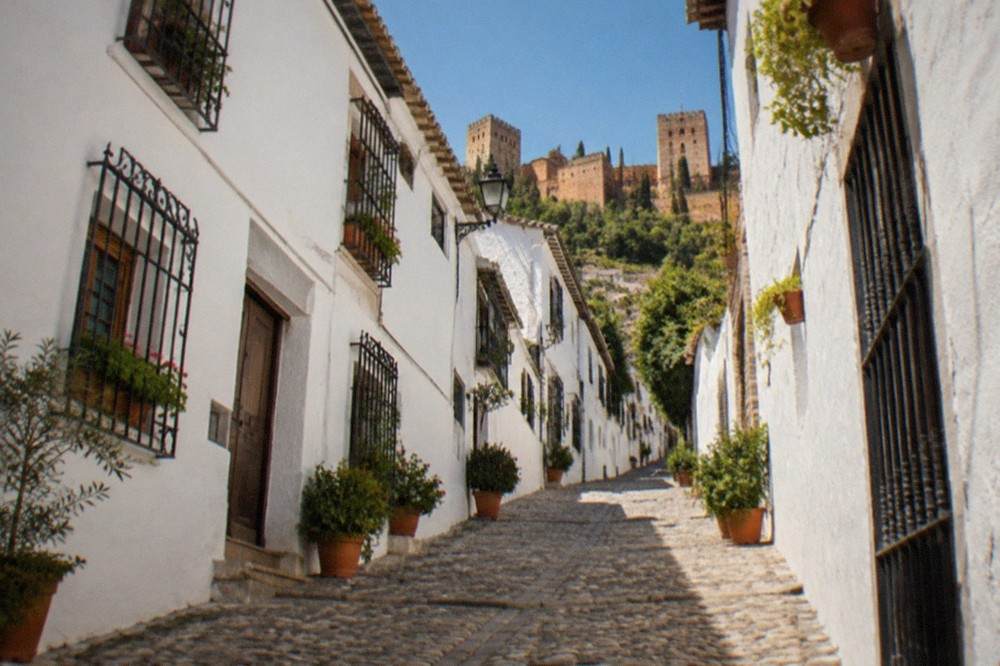
The Albaicin is the best area to stay in Granada if atmosphere and views outrank convenience: it is the city's UNESCO-listed Moorish quarter, its miradors face the Alhambra across the Darro valley, and its car-restricted lanes put you inside the monument-scape rather than looking at it. It is not the best area if you are driving, hauling heavy luggage, or want late-night flat walks home, because the quarter climbs a hill on cobbles and steps. The quarter was folded into the same World Heritage listing as the Alhambra in 1994, a decade after the palace complex itself was inscribed in 1984, and the protection shows: no two streets run parallel, cars are largely excluded, and the Carrera del Darro river walk below it is Granada's most photographed stretch.
Lodging here means small hotels, converted carmens (the walled hillside houses with gardens that define the quarter), and cave rooms on the Sacromonte-facing edge. The payoff is the Mirador de San Nicolas at the top of the quarter, the classic free viewpoint over the Alhambra with the Sierra Nevada behind it, and El Banuelo, a surviving Moorish bathhouse on the Carrera del Darro and one of the oldest in Spain. The cost is logistics: taxis reach the edges of the quarter but not every door, and the metro does not serve the Alhambra or the hillside at all, it runs north-south through the city, so the bus and your own feet are the real transport plan.
The quarter also rewards visitors who arrive with some context. A guided walk through the Albaicin and Sacromonte decodes the street plan, the morisco house layout and the cave dwellings in about two and a half hours, and the private version can be timed for an evening arrival day when the Alhambra itself is already booked or closed. The Albaicin guide covers the quarter monument by monument if you would rather explore self-directed.
The Granada Albaicin & Sacromonte Exclusive Walk Tour in the Old Town runs about two and a half hours from roughly $80.13 per person, is rated 4.6 from 9 reviews on the operator's live listing, and works well as a first-evening orientation before you commit the rest of your stay to one neighbourhood or another. Check availability if a private version suits your group; the shared Sacromonte and Albayzin Neighbourhoods Walking Tour (about $50, rated 4.6 from 141 reviews) covers similar ground for less.
Where To Stay In Granada Near The Alhambra?
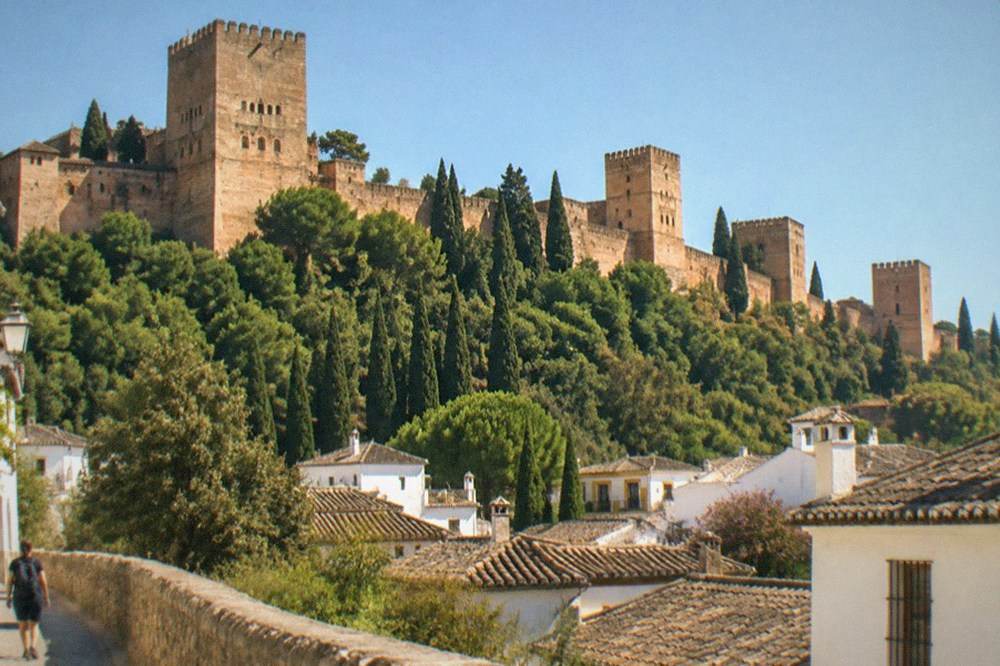
The only accommodation literally inside the Alhambra complex is the Parador de Granada, the state-run hotel occupying a former convent inside the monument walls, and it must be booked far ahead like everything else attached to the site. Outside the walls, the closest beds cluster on the Cuesta del Aljibe and the Realejo slope below the Alcazaba, roughly a steep ten-to-fifteen-minute walk from the Justice Gate, or one stop on the C34 hillclimb bus from the city centre. The Parador is the single most exclusive sleep in Andalusia and has its own dedicated guide on this site; the practical point for everyone else is that "near the Alhambra" in Granada is a hillside question, and the hillside is steep.
Staying below the walls has one underrated advantage: the Alhambra opens at 08:30 (08:00 ticket office) in the 15 October to 31 March season, and Nasrid Palaces entry windows are half-hour slots strictly enforced against the time printed on your nominative ticket, with photo ID checked at entry. A bed on the Realejo side of the hill makes an early slot survivable without a dawn bus. The LAC and C34 buses are the public transport answer from the centre; the metro is not, since no metro line reaches the monument. Taxis from the Recogidas area are the flat-walk alternative.
The Alhambra's own pricing structure shapes the neighbourhood decision too. A Gardens, Generalife and Alcazaba-only daytime ticket is EUR 12.73 against EUR 22.27 for the full General ticket including the Nasrid Palaces, and the night visits (EUR 12.73 for the Nasrid Palaces, EUR 8.48 for the Gardens and Generalife) run on limited days: Friday and Saturday in the winter season, Tuesday to Saturday in the summer season. If you are staying close enough to walk up for a night visit, that EUR 8.48 gardens ticket is one of the best-value evenings in the city. The Alhambra tickets guide has the full decision tree.
Is Sacromonte A Good Place To Stay In Granada?
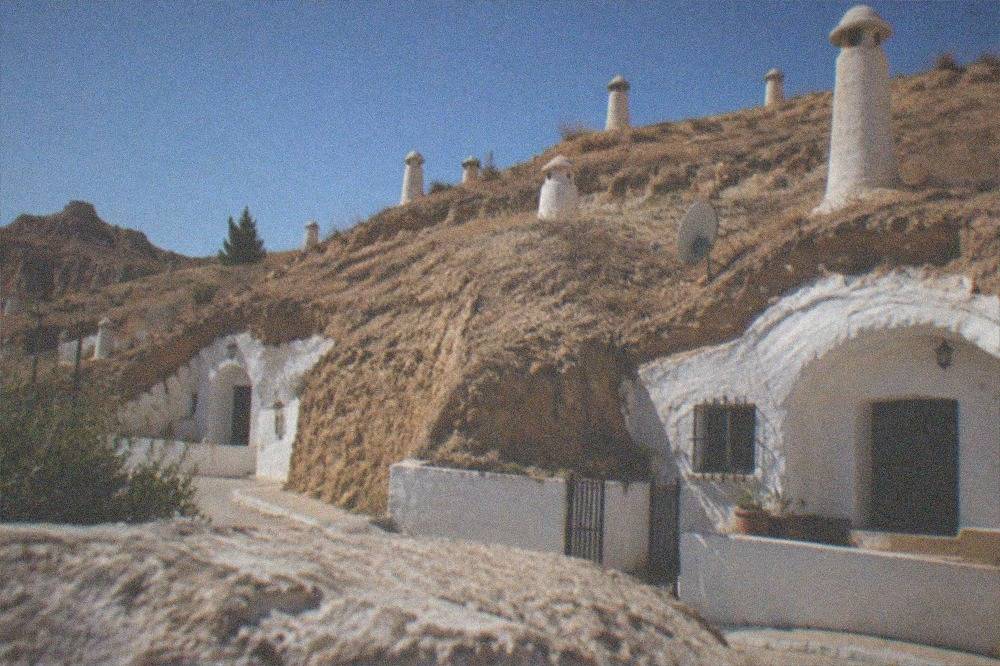
Sacromonte is a good place to stay in Granada for one specific trip: a short stay built around cave-hostel or cave-house lodging, evening flamenco in the cuevas, and sunset walks, with the trade-off that it is the hilliest, least serviced of the tourist districts and most of its life happens after dark. The quarter is Granada's historic Roma gitano cave-dwelling district, the birthplace of the zambra flamenco style, and its abbey (included in the higher Granada Card tiers) sits at the top of the Camino del Sacromonte. Cave accommodation here is the genuine article: rooms carved into the soft hillside, with terraces over the Darro valley facing the Alhambra.
The flamenco economy is the district's core. Cave shows in Sacromonte run most nights year-round, and the Sacromonte Cave Museum explains the district's history in the abandoned cave neighbourhood above the valley. The Sacromonte guide covers the quarter in detail; the short version for accommodation planning is that staying in the district puts you minutes from the venues and a steep walk from everything else, including most restaurants.
Two cautions from the site's verified research. First, the free-tapa-with-a-drink custom remains widely upheld practice in traditional Granada bars as of 2026, but it is a local custom rather than a guarantee, and it is strongest in the old town and Realejo rather than on Sacromonte's tourist strip. Second, the district's buses are limited in the evening, so a cave stay means planning your descent or budgeting for taxis.
Where To Stay In Granada On A Budget?
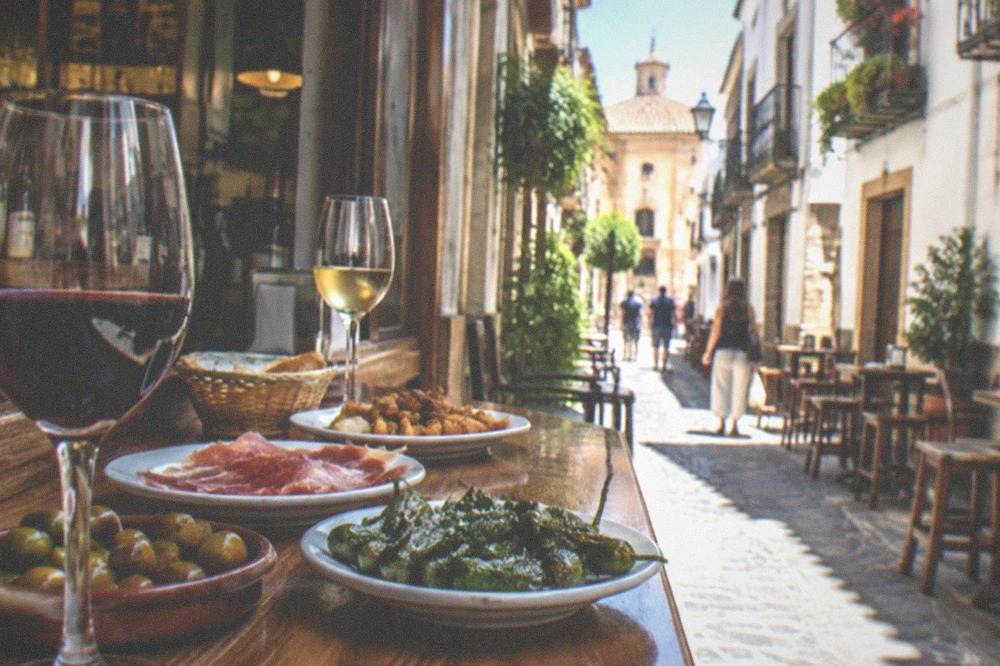
Budget travellers get the best value in the area between the old town and the Realejo, where hostels and pensiónes sit within flat walking distance of the free-to-enter core of the city: the Mirador de San Nicolas, the Carrera del Darro, the Alcaiceria's lanes, and the tapas bars where a drink still typically arrives with a complimentary small plate. The Alhambra is the one unavoidable big spend, and no district choice changes its EUR 22.27 General ticket. Granada is genuinely one of Spain's more affordable provincial capitals for food and lodging, and the free layer of the city is unusually deep.
The free and cheap list is long. The Mirador de San Nicolas costs nothing and delivers the Alhambra's best view. The Cathedral drops from EUR 10 to EUR 7 individual entry after the Kerygma exhibition ends on 28 November 2026, and the Royal Chapel is EUR 7 (EUR 5 reduced). The Alhambra's night Gardens and Generalife visit at EUR 8.48 is the cheapest paid entry into the complex. And the tapas custom, widely upheld in traditional bars per 2026 reporting, means a beer and a small plate can do the work of a restaurant starter. The tapas guide maps the bars.
For accommodation specifically, the budget hierarchy runs: hostels and cave hostels in Sacromonte and the lower Albaicin, pensiónes around the Cathedral and Gran Via, and apartments in the Realejo. Prices move with the festival calendar more than most visitors expect: Semana Santa (approximately 29 March to 5 April in 2026, 21 to 28 March in 2027) and Corpus Christi (main procession around 4 June in 2026, 27 May in 2027) fill the city and lift rates, so the best time to visit Granada guide is worth a read before you fix dates.
| Festival | 2026 Dates | 2027 Dates |
|---|---|---|
| Semana Santa | approx. 29 Mar - 5 Apr | approx. 21 - 28 Mar |
| Cruces de Mayo | 1 - 3 May | 3 May (local holiday) |
| Corpus Christi | approx. 30 May - 6 Jun (procession ~4 Jun) | 27 May (local holiday) |
Is The Realejo A Good Base For A Granada Trip?
The Realejo is the best all-round base for a Granada trip of three days or more: it is a real residential quarter with its own bars and squares, it sits on the slope directly below the Alhambra so the hillclimb is short, and it is quieter at night than the old town while remaining flat enough at its lower edge for easy walking. Granada's old Jewish quarter wraps the hill under the Alhambra's western walls, centred on the Plaza del Campillo and Campo del Principe. Street art, including the neighbourhood's celebrated murals, is dense here, and the quarter's stairs climb straight toward the Alcazaba end of the monument.
The Realejo's practical advantage over the Albaicin is access. The C34 hillclimb bus route touches the quarter on its way up to the Alhambra, taxis can reach most Realejo doors (unlike the Albaicin's car-restricted lanes), and the walk down to the Cathedral side takes minutes rather than a hike. For a stay that combines Alhambra mornings, Cathedral afternoons and tapas evenings without a bus pass, the Realejo is the geometry that works. The Realejo guide walks the quarter in detail.
The one thing the Realejo does not have is the postcard view. It faces the wrong way: you look up at the Alhambra rather than across at it. Visitors who want the view from their window still need the Albaicin or Sacromonte side of the valley, and visitors who want both should split a longer stay, which is a genuinely good idea in a city this small.
| District | Character | Best For | Main Trade-Off |
|---|---|---|---|
| Old town / Cathedral | Flat, central, monument-dense | First visits, short stays, walking everywhere | Busiest and loudest at night |
| Realejo | Residential, murals, below the Alhambra | 3+ day stays, mixed itineraries | No Alhambra view |
| Albaicin | UNESCO Moorish quarter, car-restricted | Views, atmosphere, photographers | Steep cobbles, hard with luggage |
| Sacromonte | Cave houses, flamenco cuevas | Flamenco-focused short stays | Hilliest, limited evening buses |
| Alhambra (Parador) | Inside the monument walls | Splurge stays, dawn-and-dark access | Booked far ahead, isolated at night |
Should You Stay In Granada City Or Near Sierra Nevada?
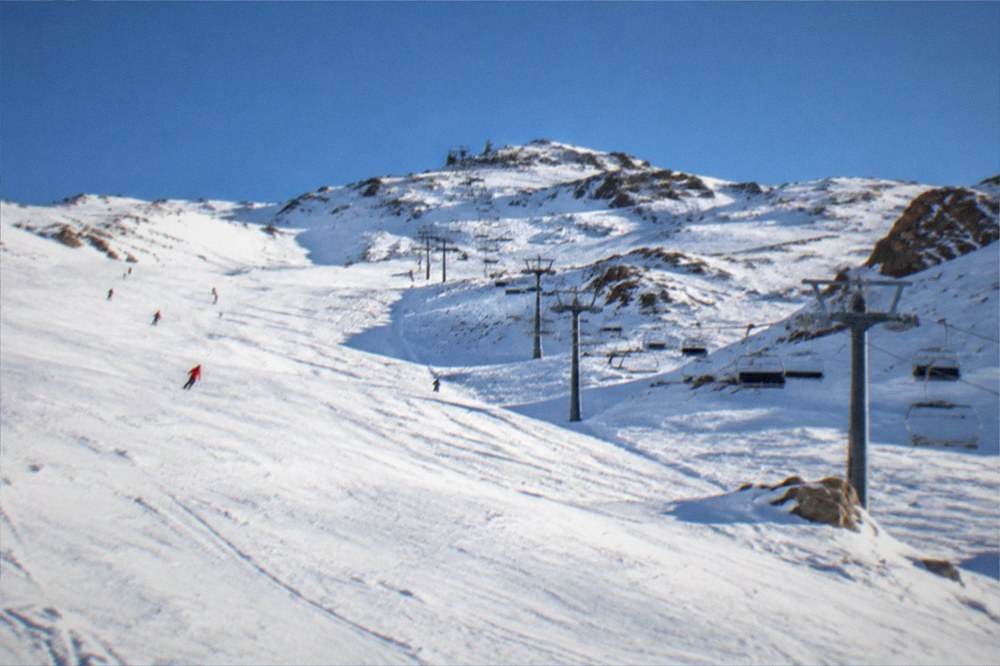
Stay in Granada city and commute to Sierra Nevada rather than the reverse: the resort is a day-trip destination by bus or tour, the ski season typically runs late November to early or mid-April depending on snow, and the 2026-2027 season dates are not yet officially published, so a resort-based booking carries date risk that a city booking does not. The verified position is that sierranevada.es had not confirmed exact 2026-2027 opening or closing dates at research time; one third-party projection suggested around 13 November 2026, but that is not an official date. Granada city, by contrast, is bookable with confidence in any season, and the answers page on skiing from Granada covers the same question in short form.
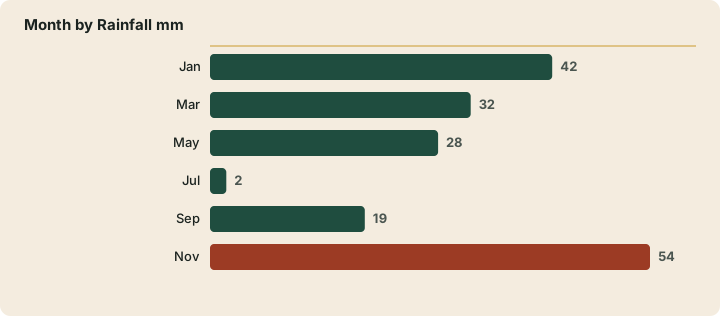
The city-and-ski combination works because Granada's climate is continental rather than coastal: AEMET's normals for the Granada Aeropuerto station show January averaging 13.0C highs and 0.0C lows with 42mm of rain, while July hits 34.8C highs on just 2mm of rain, and snow sits visibly on the Sierra Nevada from the city through winter. You can breakfast on a plaza and be on pistes within the morning. The same geography cuts the other way in summer: the mountains become the city's natural air-conditioning, and the high-country hiking routes are the standard escape from a 34.8C afternoon.
For visitors whose trip is mountains-first, the honest split is: skiers and snowboarders benefit from resort lodging only once the season is confirmed open; hikers and general sightseers are almost always better in the city. The Alpujarras, the mountain-village region on the Sierra's southern flank, is a third option, best reached as a full-day trip from a Granada base.
| Month | Avg High C | Avg Low C | Rainfall mm | Season Note |
|---|---|---|---|---|
| Jan | 13.0 | 0.0 | 42 | Ski season, snow on the Sierra |
| Mar | 19.0 | 3.8 | 32 | Late ski season, spring light |
| May | 25.0 | 9.4 | 28 | Cruces de Mayo, mild |
| Jul | 34.8 | 15.7 | 2 | Hottest, driest; hiking at altitude |
| Sep | 29.4 | 12.8 | 19 | Warm, quieter city |
| Nov | 17.0 | 4.2 | 54 | Wettest run-in to ski season |
Does The Granada Card Change Where You Should Stay?
The Granada Card does not change which district you sleep in, but it does reward a central stay on a packed 2-4 day itinerary: the 72h tier costs EUR 60, the 48h EUR 55, the 24h night-Palaces variant EUR 50 and the Jardines variant EUR 50 (child EUR 13, prices effective 13 November 2025), and every tier bundles urban bus trips with the monuments, so the card substitutes for transport planning as much as for ticket buying. The card includes, by tier, Alhambra access, the Cathedral, Royal Chapel, Sacromonte Abbey, the Science Park and a set of Albaicin monuments including El Banuelo and Dar al-Horra, plus nine urban bus trips and one tourist-train loop.
The catch that matters for accommodation planning: the Alhambra portion of the card cannot be split across days once activated, and validity is tied to your booked Alhambra slot, which itself is subject to the same sell-out reality as ordinary tickets. A card makes most sense for a short, dense stay from a central base; it makes little sense for a relaxed week split between the city and the mountains. The Granada Card guide works the arithmetic, and the answers page on the best area pairs it with the district question.
| Granada Card Tier | Price (from 13 Nov 2025) | Alhambra Access | Validity |
|---|---|---|---|
| 72h | EUR 60 | Daytime General: Alcazaba, Nasrid Palaces, Generalife | 4 days from first use |
| 48h | EUR 55 | Daytime General: Alcazaba, Nasrid Palaces, Generalife | 3 days from first use |
| 24h (night Palaces) | EUR 50 | Night Nasrid Palaces only | 2 days from first use |
| Jardines | EUR 50 | Daytime Alcazaba + Generalife | 2 days from first use |
| Child (3-11) | EUR 13 | Same as adult tier purchased | Same as adult tier |
How Do You Get From Your Granada Base To The Alhambra And The Airport?
From anywhere in central Granada the Alhambra is reached by the LAC or C34 hillclimb bus, by taxi, or on foot up the Cuesta de la Alhambra, never by metro, which runs north-south through the city and serves neither the monument nor the airport; the airport connection is the Alsa Linea 245 bus, EUR 3.10 one way, roughly 40-45 minutes to the city centre. These two fixed facts do more to shape a Granada stay than any hotel review: the metro's route means a "near a metro stop" argument for a hotel is meaningless for the two journeys visitors actually make, and the airport bus means a bed near its city-centre stops saves the taxi fare.
The airport point deserves emphasis because it is the most common planning mistake in the research: Metro de Granada does not reach Granada Airport (GRX). The Alsa Linea 245 (Gran-Aero route) is the official connection, coordinated loosely with flight schedules, roughly every 30-60 minutes at peak times, and cheaper with the regional Consorcio card. The Granada airport guide covers the full transfer picture, including arrival by train from Madrid, where direct AVE services take roughly 3h20-3h35 at advance fares from around EUR 29-35, an indicative range from ticket-comparison sites that should be re-verified at booking time rather than treated as a locked fare.
For the Alhambra run itself, the decision from each district is: old town and Realejo, walk or one short bus hop up the hill; Albaicin, walk down through the Puerta de las Granadas side or bus around via the centre; Sacromonte, taxi or the walk down to the Carrera del Darro first. Book the Nasrid Palaces slot for the time of day you can realistically be at the gate, because the half-hour window is strictly enforced and photo ID is checked.
| Journey | Official Option | Fare | Typical Time |
|---|---|---|---|
| Airport (GRX) to centre | Alsa Linea 245 bus | EUR 3.10 one way | approx. 40-45 min |
| Centre to Alhambra | LAC / C34 hillclimb bus | standard urban fare | short hop up the hill |
| City metro trips | Metro de Granada | approx. EUR 0.49 with reloadable card | north-south city routes only |
| Madrid to Granada | Direct AVE / AVLO / Alvia | from approx. EUR 29-35 (indicative) | approx. 3h20-3h35 |
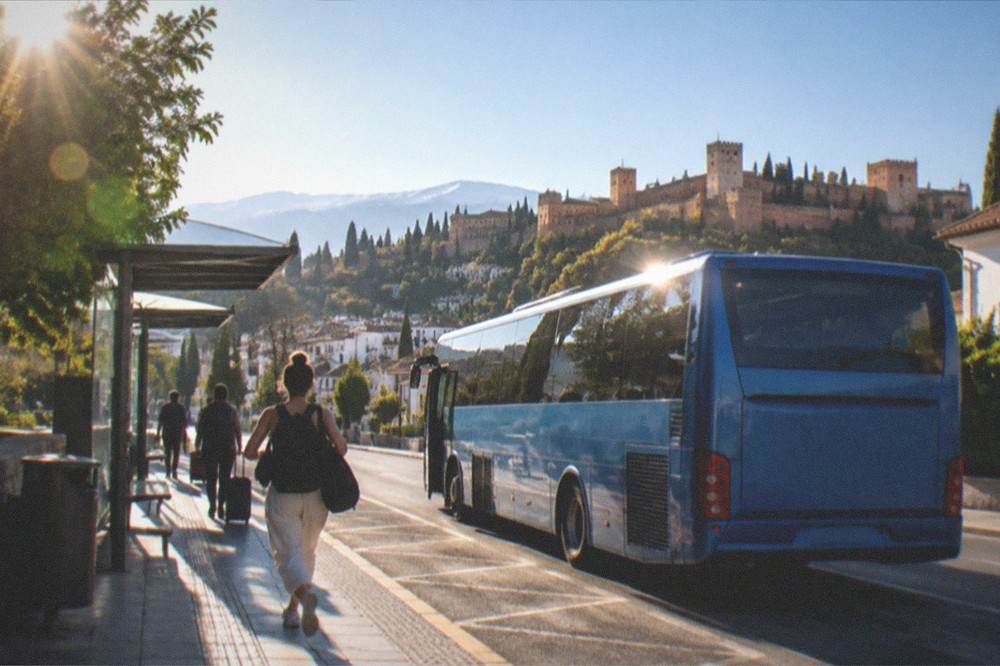
For a trip that stretches beyond the city, the Alpujarras full-day tour from Granada (from $99, rated 4.6 from 144 reviews, eight hours) reaches the mountain villages without a rental car, and the Ronda, Cordoba and Nerja-Frigiliana day trips cover the other classic excursions. A city base handles every one of them, which is the strongest argument for sleeping in Granada and treating the mountains as a day's outing rather than a second hotel.
The Las Alpujarras Full-Day Tour with Optional Lunch runs eight hours from roughly $99 per person and is rated 4.6 from 144 reviews on the operator's live listing, making it the easiest way to test whether mountain-village Granada suits you before you commit a night there. It pairs naturally with a Realejo or old-town base: you leave from the centre in the morning and are back for tapas.
Common Questions About Where To Stay In Granada
What Area of Granada Is Best To Stay In?
The Realejo and the old town around the Cathedral are the best all-round areas for most visitors: central, walkable, and connected to the Alhambra by the LAC/C34 hillclimb bus. The Albaicin is the best area for views and atmosphere, Sacromonte for cave lodging and flamenco, and the Parador de Granada for a splurge inside the monument itself.
Where To Stay In Granada For First-Timers?
First-timers should stay in the Realejo or the Cathedral quarter, book the Alhambra's EUR 22.27 General ticket one to two months ahead because it routinely sells out, and use the LAC/C34 bus rather than expecting the metro, which serves neither the Alhambra nor the airport.
Is The Albaicin Safe At Night For A Hotel Stay?
The Albaicin is a UNESCO-listed residential quarter and its main lanes and miradors stay active with visitors in the evenings, but it is a dark, steep, car-restricted hillside, so the practical issue is footing and route-finding rather than safety. Lit main streets up to the Mirador de San Nicolas are the standard evening walk.
Can You Stay In Granada And Ski In Sierra Nevada?
Yes, and it is the standard arrangement: the resort is a day trip from the city, with the season typically running late November to early or mid-April, weather dependent. The 2026-2027 season dates are not yet officially published, so confirm on the resort's official site before booking around a specific week.
Is It Better To Stay Near The Alhambra Or In The City Centre?
The city centre or Realejo is better for most trips because the Alhambra is a timed, single-entry visit rather than a stroll-in attraction, while your evenings happen in the centre's tapas bars. Only the Parador de Granada sits inside the monument, and it books out far ahead like everything else attached to the site.
Does The Granada Card Include Alhambra Entry With Any Hotel Stay?
The Granada Card includes Alhambra access by tier (72h and 48h at EUR 60 and EUR 55 include the daytime General visit; the 24h variant covers night Nasrid Palaces only) regardless of where you sleep, but the Alhambra portion is tied to a booked slot and cannot be split across days once activated.
Whatever district you choose, book in this order: Alhambra tickets first, because the General ticket sells out one to two months or more ahead in peak season and online sales close at 23:59 the day before, then your bed, then everything else. Granada is small enough that no district choice can ruin a trip, but it is popular enough that the ticket, not the hotel, is the decision that times out.