Where To Stay In Granada For First Timers
A practical answer to where first-time visitors should stay in Granada, comparing the old town, Albaicin, Realejo and Sacromonte, with verified transport, climate and Alhambra booking facts.
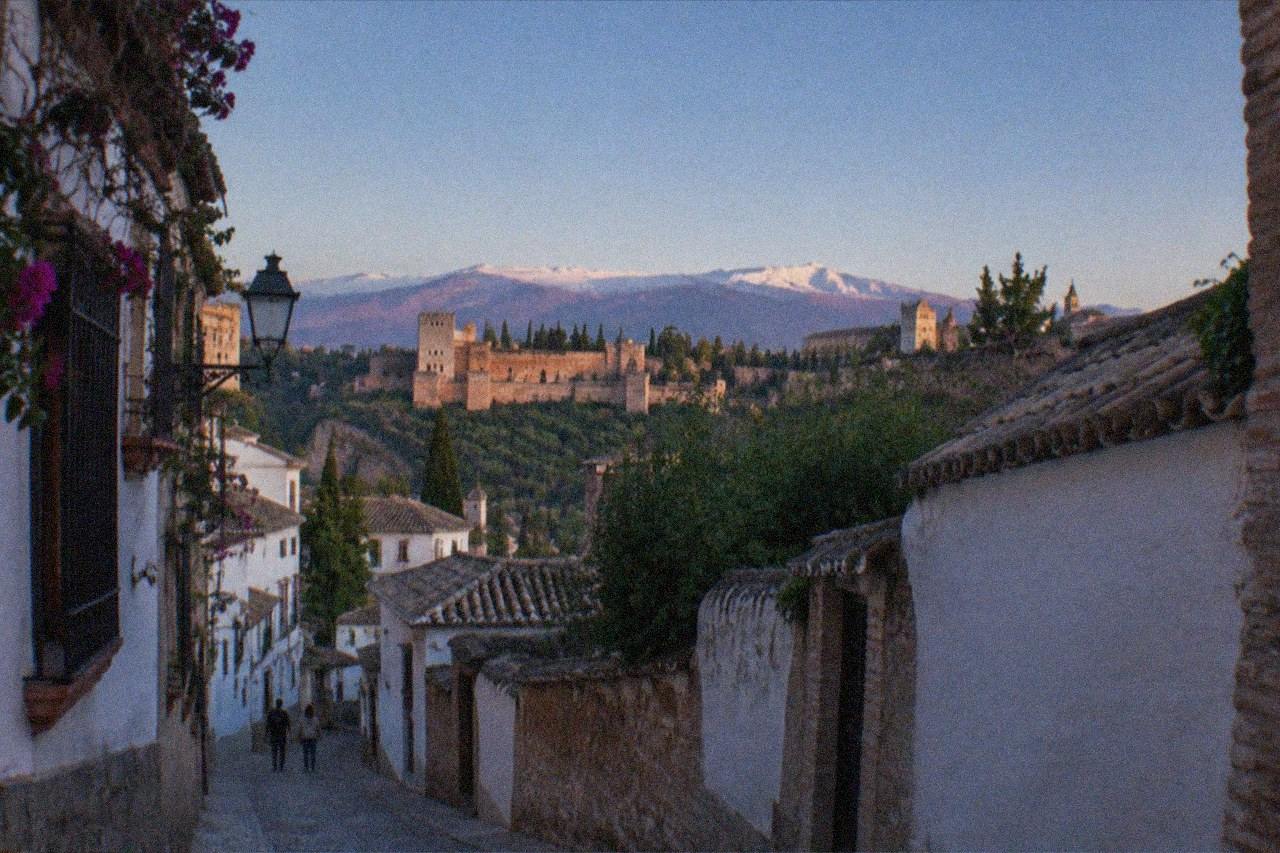
Granada drew 2,726,861 visitors to the Alhambra alone in 2025, according to the Patronato de la Alhambra's annual report, and almost all of them slept somewhere in this small Andalusian city while they did it. Where that somewhere is shapes the whole trip: a base near the Cathedral puts the Alhambra, the tapas bars and the Albaicin viewpoints all within reach on foot, while a cave-side room in Sacromonte trades convenience for atmosphere. This page lays out the honest trade-offs for a first visit, using verified figures rather than impressions, and it is written by the Things To Do In Granada editorial desk as a planning guide, not a hotel pitch.
Where To Stay In Granada For First Timers
For a first visit, the historic centre around the Cathedral and Puerta Real is the most reliable base: it is walkable to the Royal Chapel, the Alcaiceria, the Carrera del Darro and the uphill bus routes to the Alhambra, and it holds the widest choice of rooms, tapas bars and late-night options. The Albaicin suits travellers who want views and quiet lanes, the Realejo suits those who want a local residential feel, and Sacromonte suits only those happy to climb for their cave view.
The centre earns the recommendation on geometry. Granada's monuments cluster in a compact belt between the Darro river and the plain of the city, and from a room near the Cathedral the Alhambra's main access points, the old market quarter and the Mirador de San Nicolas are all reachable without a car. The city's own tourism office groups first-time visitor itineraries around exactly this core, and the practical guides on how many days in Granada is enough assume the same walking radius.
That walkability has one caveat worth stating plainly: Granada is a city of slopes. The Alhambra sits on its hill, the Albaicin on another, and the streets between them rise and fall constantly. A central room minimises total climbing without removing it. Anyone with limited mobility should weigh that honestly before choosing a hillside address, because the Albaicin's cobbled lanes and Sacromonte's camino del Sacromonte are steep by any standard.
Which Granada Neighbourhood Suits Your Trip?
The old town is the safe pick for most first-timers, the Albaicin is the pick for photographers and romantics, the Realejo is the pick for a quieter, more local stay, and Sacromonte is the pick for a one-night flamenco-cave experience rather than a full-trip base. Each sits within walking distance of the others, so the choice is about atmosphere and legwork, not access, and no first-timer needs a car in any of them.
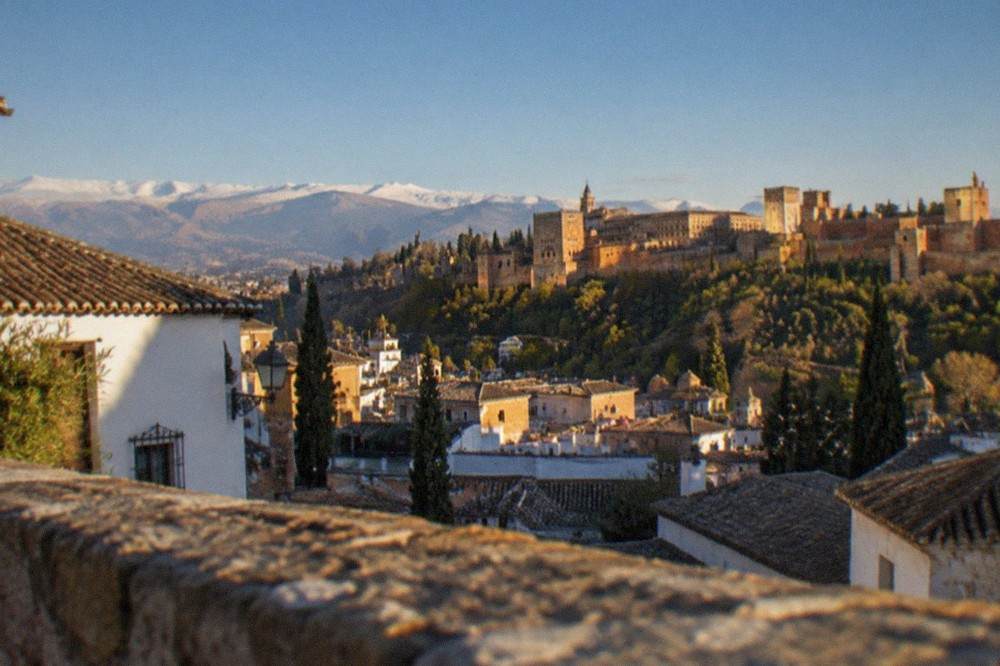
The Albaicin, a UNESCO World Heritage extension since 1994 together with the Alhambra and Generalife, offers the postcard view of the Alhambra from the Mirador de San Nicolas, plus the El Banuelo baths and the Dar al-Horra palace. The trade is luggage-dragging up cobbles and thinner late-night dining. The Realejo, the old Jewish quarter on the Alhambra's western slope, is where Granada's street-art-covered lanes and local tapas bars sit, close to the hill without the full tourist crush. Sacromonte's cave houses and flamenco venues are unforgettable, but the site's own guide to what not to miss in Granada treats it as an evening destination, and most visitors will be glad their bed is downhill.
| Neighbourhood | Character | Best for | Main trade-off |
|---|---|---|---|
| Historic centre (Cathedral, Puerta Real) | Busy, flat, dense with bars and hotels | First-timers who want everything walkable | Least atmospheric after midnight in party streets |
| Albaicin | Moorish lanes, Alhambra views | Photographers, romantic stays, sunset at Mirador de San Nicolas | Steep cobbles, thinner dinner options |
| Realejo | Residential, street art, local tapas | A quieter base still near the Alhambra | Fewer landmark sights inside the quarter itself |
| Sacromonte | Cave houses, flamenco, hillside silence | A one-night cave stay or flamenco evening | Steep access, limited everyday services |
For a deeper area-by-area breakdown, including which streets to avoid and why, see the companion answer on what area of Granada is best to stay in and the full where to stay in Granada guide.
Whichever neighbourhood wins, the Alhambra is the anchor of a first visit, and a good base is one from which the Nasrid Palaces entry window is easy to hit.
How Close To The Alhambra Should You Stay?
Closer is helpful but not essential: the Alhambra is reached by the LAC and C34 hillclimb bus lines or a taxi, not by metro, from stops such as those near the centre, so a central room costs you only a short bus or taxi ride. What actually matters is your Nasrid Palaces entry window, because tickets carry a strictly enforced half-hour slot and photo ID is checked at the gate. Book the ticket first, then choose the room around the slot.
The Patronato de la Alhambra's own ticket page states the prices that shape this decision: the General daytime ticket covering the Nasrid Palaces, Alcazaba and Generalife costs EUR 22.27, the Gardens, Generalife and Alcazaba-only daytime ticket EUR 12.73, and the night Nasrid Palaces visit EUR 12.73, with the night gardens visit at EUR 8.48. Daily capacity runs at roughly 6,600 to 7,000 visitors with about 300 people per half-hour Nasrid Palaces slot, and in peak season the General ticket routinely sells out one to two months or more ahead. Tickets release roughly three months in advance and online sales close at 23:59 the day before the visit.
That sell-out reality is the real argument for staying central. A room near the Cathedral means an early-morning Nasrid Palaces slot is a short bus ride rather than an expedition, and the rest of the complex can be visited outside the printed window on the same ticket date, so a central base lets you arrive early, do the Palaces, then wander the Generalife at leisure.
For travellers who want the Nasrid Palaces explained rather than just entered, a small-group guided option exists: the Alhambra and Generalife skip-the-line small-group tour including the Nasrid Palaces runs about 3 hours and is rated 4.7 from 3,338 reviews, from $46 per person on the operator's live listing.
The same logic applies to the neighbourhood walks: a guide who knows the Albaicin's lanes saves a first-timer the steepest wrong turns, and the Sacromonte and Albaycin neighbourhoods walking tour covers both quarters in about 2 hours 30 minutes for those who want the geography explained before they explore alone. Booking either experience before arrival means the accommodation choice and the sightseeing plan reinforce each other rather than compete.
What Does Getting Around Granada Look Like?
You do not need a car, and the metro will not solve your airport or Alhambra journeys: Metro de Granada runs north-south through the city and serves neither the airport nor the Alhambra. The airport connection is the Alsa Linea 245 bus at EUR 3.10 one-way, taking roughly 40 to 45 minutes, and the Alhambra is reached by the LAC or C34 hillclimb bus, by taxi, or on foot uphill.
The metro point is worth repeating because it is the single most common first-timer mistake. The airport bus is the official connection, its EUR 3.10 fare is set by the regional transport authority and drops lower with the Consorcio card, and services are coordinated loosely with flight schedules. Within the city, a reloadable metro card costs about EUR 0.49 per trip, but the line's north-south alignment means it serves commuters more than sightseers. The Granada Card, priced at EUR 60 for 72 hours, EUR 55 for 48 hours and EUR 50 for the 24-hour night-Palaces and Jardines variants with children at EUR 13, bundles nine urban bus trips plus a tourist-train loop with monument entries, which covers most of a car-free first visit.
| Journey | Best option | Verified cost | Notes |
|---|---|---|---|
| Airport (GRX) to centre | Alsa Linea 245 bus | EUR 3.10 one-way | Roughly 40-45 minutes, frequency tied to flights |
| Centre to Alhambra | LAC / C34 hillclimb bus, taxi or walk | Bus fare per urban tariff | Metro does not serve the Alhambra |
| Within the historic core | On foot | Free | The centre, Albaicin and Realejo are all walkable |
| City-wide sightseeing | Granada Card transport bundle | EUR 55-60 depending on tier | 9 bus trips plus 1 tourist-train loop |
When Is The Best Time To Book A Granada Stay?
Book the Alhambra ticket before you book the room: tickets release about three months ahead and sell out first, so your room should follow the slot you actually secured. For timing the trip itself, AEMET's climate data shows May and September as the sweet spots, with average highs of 25.0C and 29.4C against July and August highs of 34.8C and 34.2C, and festival dates in 2026 such as Semana Santa from around 29 March to 5 April push demand sharply higher.
AEMET's 1981-2010 normals for the Granada Aeropuerto station give the full picture: July is the driest month at just 2mm of rain, December the wettest at 56mm, and winter nights sit at or near freezing while the city enjoys mild daytime highs. That means a spring or autumn stay delivers the best walking weather for the Albaicin's slopes, while a summer stay argues for an air-conditioned room and siesta-hours planning. The site's answer on the best month to visit Granada Spain works through this month by month.
| Month | Avg high C | Avg low C | Rainfall mm |
|---|---|---|---|
| Mar | 19.0 | 3.8 | 32 |
| Apr | 20.6 | 6.0 | 36 |
| May | 25.0 | 9.4 | 28 |
| Jun | 31.0 | 13.6 | 11 |
| Jul | 34.8 | 15.7 | 2 |
| Aug | 34.2 | 15.5 | 4 |
| Sep | 29.4 | 12.8 | 19 |
| Oct | 23.2 | 8.7 | 40 |
One planning note that ties accommodation and itinerary together: the Alpujarras villages, Sierra Nevada and the coast at Nerja and Frigiliana are all verified day trips from the city, so a central Granada base also serves as the launch point for every one of them. Travellers wondering whether they can stay in Granada and ski in Sierra Nevada can, with the ski season typically running late November to early or mid-April, weather dependent, and exact 2026-2027 dates not yet published officially.
Common Questions About Staying In Granada For First Timers
Where to stay in Granada for first timers?
The historic centre around the Cathedral and Puerta Real is the most reliable first base: everything major is walkable, the Alhambra bus routes start nearby, and the widest choice of rooms and food sits there. The Albaicin and Realejo are strong alternatives for atmosphere, and Sacromonte works best as a one-night cave experience.
Is the Albaicin too hilly for a first visit?
It is steep, with cobbled lanes rising to the Mirador de San Nicolas, so it suits travellers comfortable with climbing. Anyone with mobility concerns is better served by a flat central room and visiting the Albaicin by day.
Do I need a car in Granada?
No. The centre, Albaicin, Realejo and Sacromonte are walkable, the Alhambra is served by the LAC and C34 hillclimb bus lines, and the airport link is the Alsa Linea 245 bus at EUR 3.10 one-way. The metro does not serve either the airport or the Alhambra.
Should I book the Alhambra before booking a hotel?
Yes. Alhambra General tickets release roughly three months ahead and routinely sell out one to two months or more before peak-season dates, so secure the Nasrid Palaces slot first and choose the room around it.
Is Sacromonte a good base for the whole trip?
It is memorable but impractical as a full-trip base: access is steep and everyday services are thin. Most first-timers enjoy Sacromonte as an evening for the cave flamenco and sleep downhill in the centre or Realejo.
A first Granada visit is won by logistics more than luxury: book the Alhambra slot early, sleep central and flat, and let the Albaicin's viewpoints and Sacromonte's caves be evenings rather than addresses.