Tapas Granada
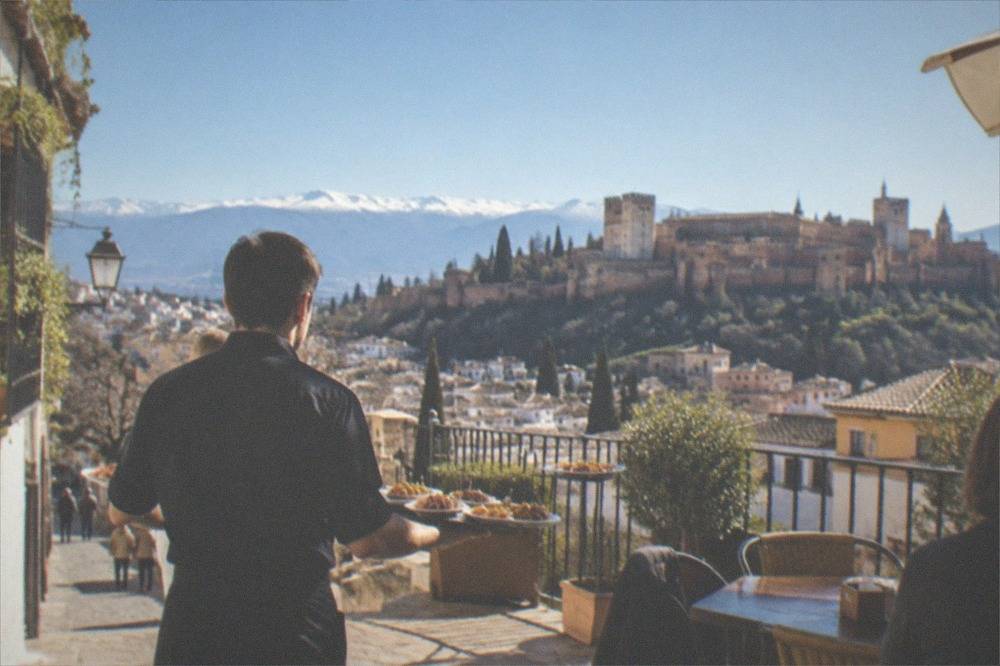
Granada is one of the last cities in Spain where a drink order still arrives with a small plate of food, and knowing how that custom works changes the whole shape of an evening here.
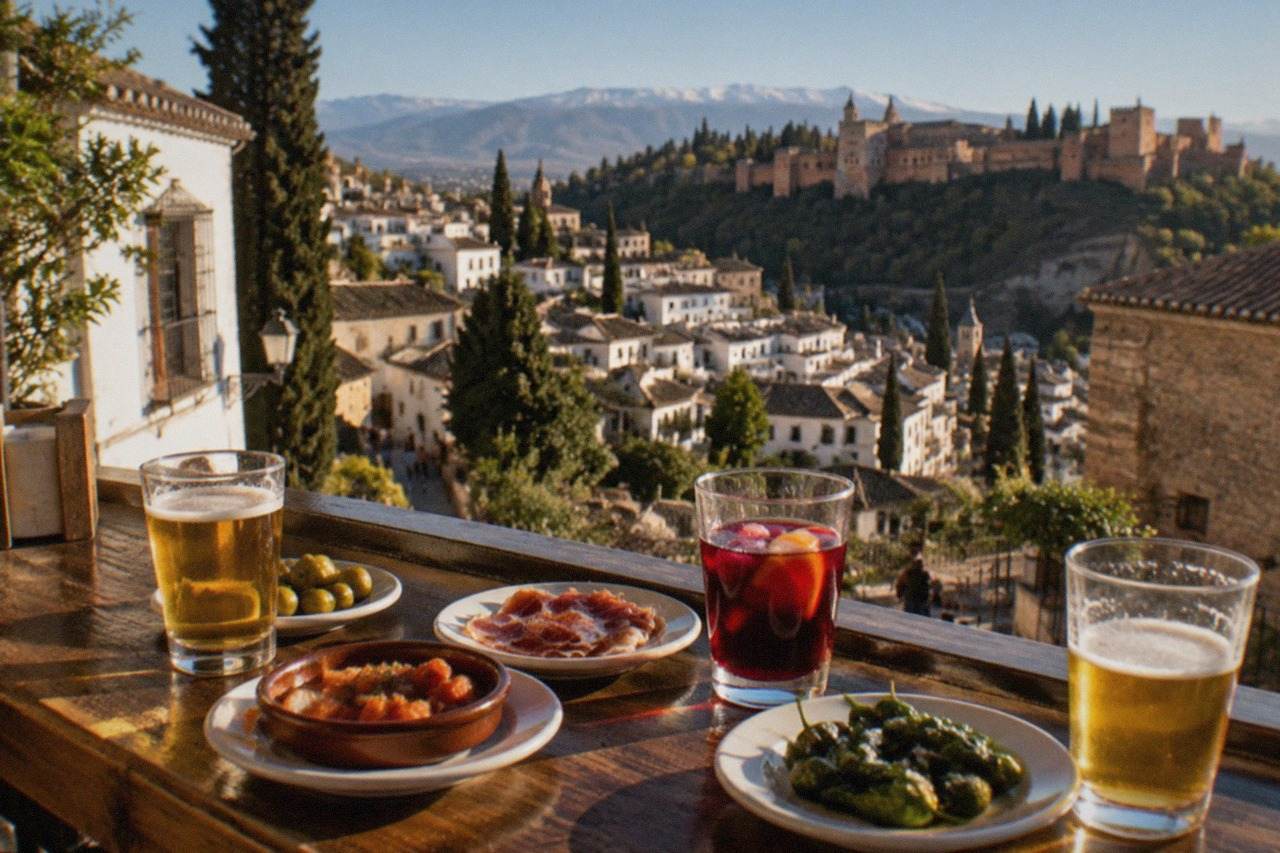
Short answer
In many traditional Granada bars, ordering a drink brings a complimentary small tapa, often growing larger with each round. The custom is widespread local practice rather than a guarantee at every venue, so this guide covers how it works, what to order, which neighborhoods to crawl, and what an evening costs.
Granada is one of the few cities in Spain where the tapa still arrives without being asked for. Order a small beer or a glass of tinto de verano at a traditional bar here and, in most cases, a small plate of food lands beside it: a portion of stew, a slice of tortilla, a few fried fish. The custom is not a law and not every venue keeps it in the same form, but as of 2026 it remains a defining part of how the city eats. This guide explains how the tradition actually works, which dishes define the Granada tapas table, where to crawl, and how to plan an evening around it.
What Is The Tapas Culture In Granada?
Tapas culture in Granada means ordering a drink and receiving a complimentary small plate of food with it, a tradition that many traditional bars in the city still uphold as of 2026. The custom is widely regarded as part of local identity rather than a legal requirement, and some venues have adjusted portion sizes or drink pricing over time. It is a habit of standing, ordering round by round, and letting the kitchen decide what lands on the counter.
That last point is the part visitors most often misunderstand. In much of Spain, a tapa is something you choose and pay for. In Granada's traditional bars, the tapa is often chosen for you: the bar sends out whatever the kitchen is cooking that day, and the plate frequently improves or grows with subsequent rounds. The whole rhythm rewards staying put at one counter rather than drinking a single quick glass everywhere.
The economics explain the tradition's persistence. Drink prices in tapas bars are set with the food cost built in, so the "free" plate is really bundled into the price of the glass. What you get in return is a rolling, low-commitment dinner: a drink, a plate, a chat, another drink, a better plate. Locals treat it as an ordinary Tuesday, not a tourist event.
The custom also shapes the city's geography. Because a tapas evening is built on short hops between bars, the neighborhoods that do it best are the dense, walkable ones: the old town around Navas and the streets off Plaza Nueva, the Albaicin's lanes, and the Realejo. The Things To Do In Granada guide to the city's neighborhoods covers where each of these sits relative to the Alhambra and the cathedral.
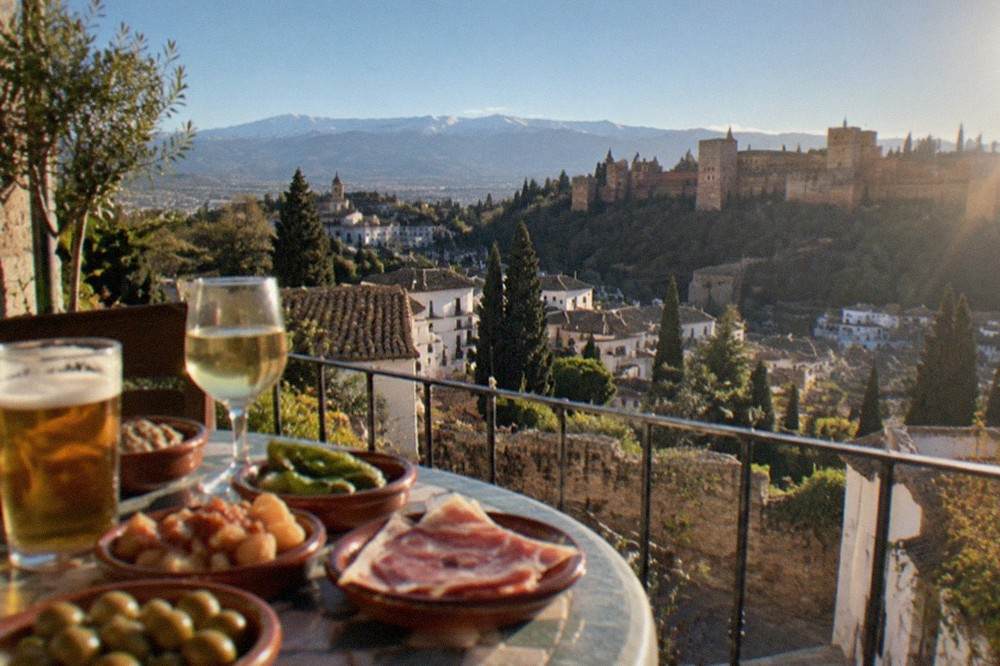
Where To Find The Best Tapas Bars In Granada?
The strongest concentrations of traditional tapas bars in Granada are the Calle Navas strip just off Plaza del Carmen, the streets around Calle Caldereria Nueva in the Albaicin's lower edge, and the Realejo around Calle Molinos. Each area runs a different scene: Navas is compact and loud, Caldereria is student-heavy and cheap, and the Realejo mixes old Granada bars with newer kitchens. Picking one zone and walking it beats driving across the city for a single venue.
Calle Navas is the closest thing Granada has to a dedicated tapas street: a short pedestrian lane packed end to end with bars, most of which still run the free tapa with each round. Because the street is so compact, it is the easiest place for a first evening, since a bad counter is thirty seconds from a better one. The question of which single street is the famous one comes up often enough that this site answers it directly: see what is the famous tapas street in Granada.
The Caldereria Nueva area, climbing from Plaza Nueva toward the Albaicin, runs a younger, cheaper scene with a strong student population and a heavy North African tea-house presence on the same street, which makes for an easy dessert stop after the bars. The Realejo, the old Jewish quarter below the Alhambra's woods, holds some of the city's most reliable traditional counters and fewer visitors per square meter than the old town.
A third option is to let someone who knows the counters lead. A guided crawl costs more than going alone but removes the guesswork about which bars actually honor the custom well rather than nominally:
Between neighborhoods, the practical rule is to plan a crawl on foot. Granada's tapas zones sit close together, but the hills between the old town and the Albaicin are steep, and the point of the evening is short hops, not hikes. If you are staying outside the center, the site's guide to where to stay in Granada explains which districts put you within a flat walk of the best bar strips.
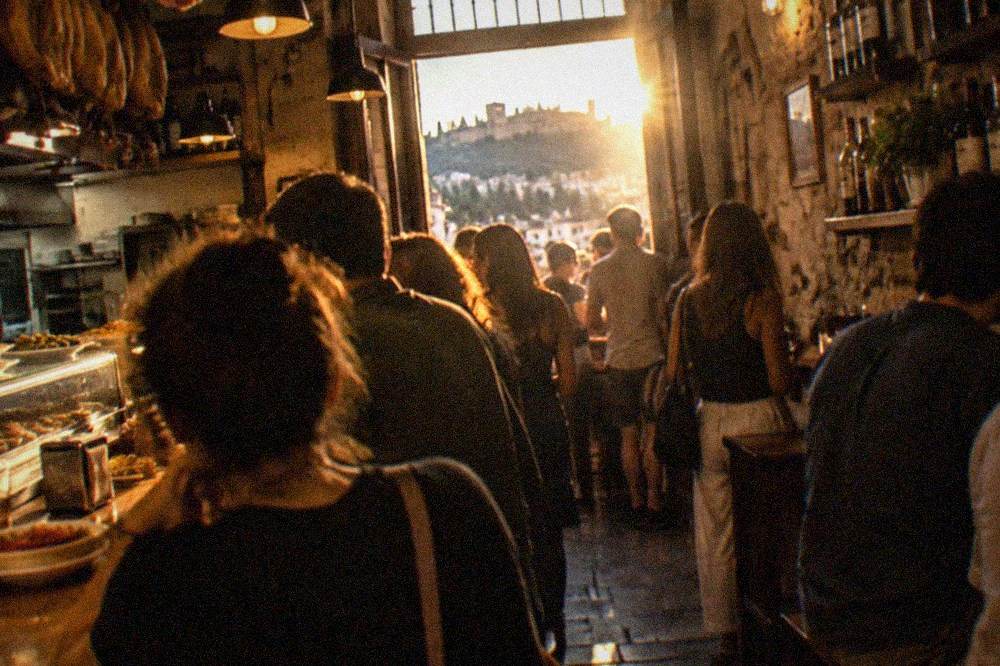
How Does The Free Tapas Custom In Granada Actually Work?
Order a drink at a traditional Granada bar and, in most cases, a small tapa arrives with it at no extra charge, with portions often increasing or improving on later rounds at the same bar. The custom is widespread local practice rather than a legal guarantee, and some venues have adjusted portion size or drink pricing. The way to trigger it is simple: order drinks by the round, stay at one bar for two or three rounds, and let the kitchen send what it is cooking.
The mechanics matter more than the myth. The tapa is tied to the drink order, so a table ordering four drinks receives four plates, typically different ones. Moving bars resets the generosity curve: the first plate at a new counter is usually the smallest, and regulars know the third round is where a bar shows its real character. Some bars let you choose the tapa from a list, others decide for you, and a few offer an upsized paid option alongside the free plate.
What the custom is not: a rule that every bar in the city must follow. July 2026 reporting on the tradition noted both how strongly it survives and how some venues have tweaked portions or prices under cost pressure. Tourist-heavy bars near the cathedral are the likeliest places to find a thinner version of the custom, while neighborhood bars in the Realejo or on Navas tend to keep it in fuller form. For the fuller picture, see the site's dedicated guide to free tapas in Granada and the direct answer to does Granada still do free tapas.
| Situation | What Usually Happens | Practical Move |
|---|---|---|
| First drink at a traditional bar | A small tapa arrives with the order | Order by the glass, not a full bottle |
| Second and third rounds, same bar | Portions often grow or improve | Stay two or three rounds before moving |
| Large group at one table | One plate per drink ordered | Expect a shared spread, not individual plates |
| Bar with a tapa menu | Sometimes you choose, sometimes the kitchen does | Ask "which tapa comes with the drink" |
| Tourist-zone bar | Custom may be thinner or paid-only | One round, then walk to a quieter street |
If the guesswork sounds like effort, a guided option exists: the Granada Tapas and Wine Small Group Tour runs three and a half hours across the city's traditional bars with the custom explained as you go. Its dedicated page covers what the tour includes: Granada Tapas and Wine Small Group Tour.
What Are The Classic Granada Tapas To Order?
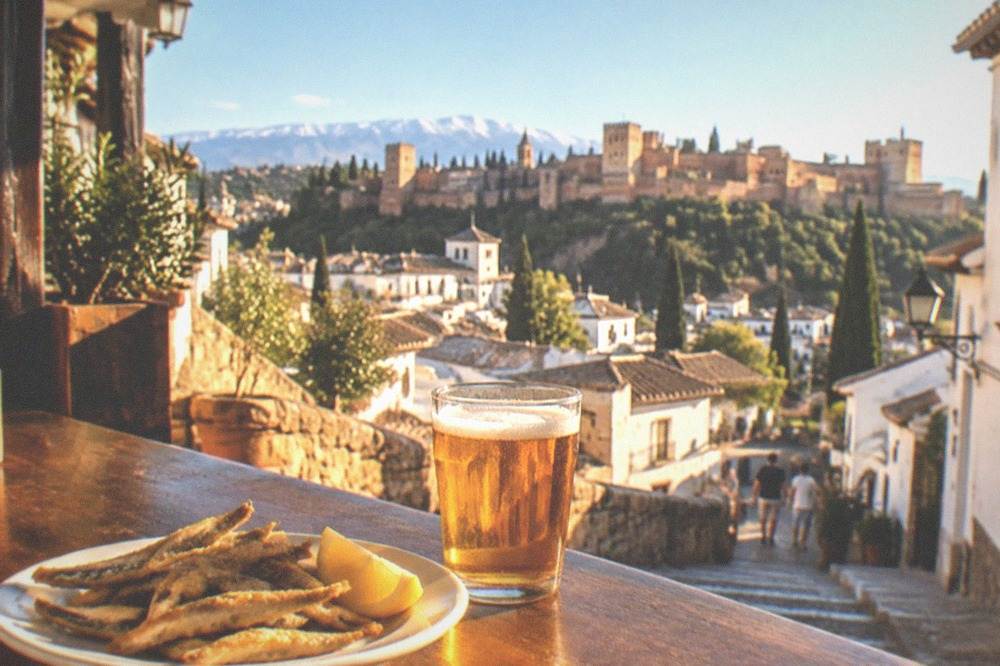
The dishes that define the Granada tapas table are habas con jamon (broad beans with cured ham), pipirrana (a chopped salad of tomato, pepper and egg), tortilla de sacromonte (an omelette traditionally made with offal, now often potato), pescado frito (fried fish), and carne in salsa or al ajillo (pork in sauce or garlic). These are the plates the city's kitchens have always sent out with drinks, and they anchor most free tapa rotations.
A few of these deserve explanation for first-time visitors. Habas con jamon is the quintessential Granada spring tapa, sweet young broad beans stewed with ham. Tortilla de sacromonte is the Sacromonte district's signature dish, historically made with lamb offal and brain, though many bars now serve a milder potato version under the same name. Pipirrana is the summer standard, cold and vinegar-sharp, exactly right when July temperatures push past 34C.
The fried plates matter too: Granada sits an hour and a half from the coast by road, and the city's bars fry small fish and squid with the same confidence as the chiringuitos of Malaga province. Pork appears everywhere in two forms, al ajillo (garlic) and in salsa (a paprika-forward sauce), and a plate of either with a small beer is about as Granada as a tapa gets.
| Dish | What It Is | When Bars Send It |
|---|---|---|
| Habas con jamon | Young broad beans stewed with cured ham | Spring, at seasonal kitchens |
| Pipirrana | Chopped tomato, pepper, egg and tuna salad in vinegar | Summer months |
| Tortilla de sacromonte | Traditional omelette, now often a potato version | Year-round, Sacromonte bars especially |
| Pescado frito | Small fried fish or squid | Year-round |
| Carne al ajillo | Pork cooked in garlic | Year-round |
| Carne en salsa | Pork in a paprika sauce | Year-round |
| Gazpacho or salmorejo | Cold tomato-based soup | Summer months |
Dessert is not really part of the tapa rotation, but Granada's North African tea houses on Caldereria fill that gap with mint tea and honey-soaked pastries, and they stay open later than most kitchens. For the wider food culture beyond the tapa counter, from platos alpujarrenos to pionono, see the site's guide to the best restaurants in Granada.
Which Granada Neighborhoods Are Best For A Tapas Crawl?
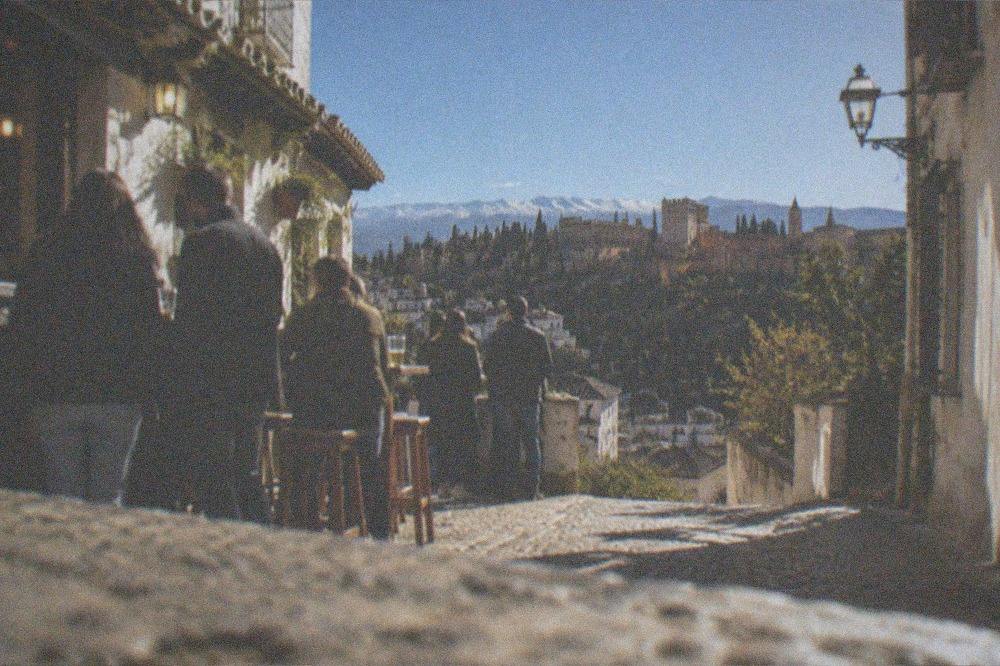
The best Granada neighborhoods for a tapas crawl are the Navas strip for density and noise, the lower Albaicin around Caldereria Nueva for cheap student bars and tea houses, the Realejo for traditional counters with fewer tourists, and the roads just off Plaza Nueva for a short, safe first crawl. Sacromonte works as a late add-on when a cave flamenco show ends the night. Each zone is walkable to the next in under fifteen minutes.
The crawl itself is a simple formula: pick a zone, commit to two rounds at each bar, and move on foot. The mistake visitors make is treating it like a restaurant itinerary, booking one venue and sitting for the night. The Granada version is a moving dinner, and the city's compactness is what makes it work. A strip like Navas packs enough counters into a hundred meters that a four-bar crawl covers more food than most people can finish.
Order matters less than pacing. Locals tend to start late: kitchens run hard from around 21:00, and a tapas street at 19:30 is a different, quieter place than the same street at 22:00. Starting early buys you counter space and unhurried service; starting late buys you the actual atmosphere. Either way, the AEMET climate data matters for planning: July and August evenings stay warm, with average lows around 15.5C, while January nights average right at 0.0C, which changes a standing-and-walking evening considerably.
| Zone | Scene | Best For |
|---|---|---|
| Calle Navas | Dense, loud, end-to-end bars | A first crawl, maximum choice per meter |
| Caldereria Nueva | Student bars plus tea houses | Cheap rounds, late dessert |
| Realejo | Traditional counters, local crowd | The custom at its fullest |
| Around Plaza Nueva | Central, tourist-mixed | Short, safe evening walks |
| Sacromonte | Cave bars and flamenco venues | Ending the night after a show |
The Sacromonte option pairs naturally with flamenco, since the cave shows finish late and the district's bars run later than the city center's kitchens. The site's guide to flamenco in Granada covers how to combine the two, and for the neighborhoods themselves the Albaicin and Sacromonte guides go deeper.
How Much Does A Tapas Evening In Granada Cost?
A tapas evening in Granada is one of the cheaper dinners in southern Spain because the food cost is bundled into the drink price, but the site's verified research does not carry per-bar drink prices, so no specific figure is printed here. The honest planning method is to expect each round to cost the price of a drink, check the board at the door, and compare a self-guided crawl against a guided tour's listed price before deciding.
What the research pack does verify is everything around the evening. If you are building a full Granada visit around one, the fixed costs elsewhere are concrete: the Alhambra General ticket is EUR 22.27 at the official seller, the Granada Card 72h is EUR 60, and the airport bus into the city is EUR 3.10 each way. Those are the numbers to lock down before travel; the tapas crawl itself is the flexible, cheap part of the budget.
The comparison worth making is guided versus independent. A guided tapas and wine tour lists from $78 per person for three and a half hours; that price is on the operator's live listing and covers the bars, the guide and the structure. Going alone costs the price of your drinks, but you pay for it in guesswork. The site's guide to Granada on a budget frames the whole city in those terms.
| Cost Item | Figure The Research Verifies | Where It Comes From |
|---|---|---|
| Alhambra General ticket | EUR 22.27 | Official Patronato ticket page |
| Granada Card 72h | EUR 60 (child EUR 13) | turismo.granada.org, effective 13 Nov 2025 |
| Airport bus into the city | EUR 3.10 one-way, 40-45 minutes | Alsa Linea 245, Consorcio tariff page |
| Cathedral entry (during 2026 Kerygma exhibition) | EUR 10 individual, EUR 8 reduced | Official ticket site, 8 May-28 Nov 2026 |
| Royal Chapel entry | EUR 7 individual, EUR 5 reduced | Official ticket site |
| Guided tapas and wine tour | From $78 per person, 3h30m | The operator's live listing |
One warning about planning: never print or trust a "from X EUR" hotel or transfer price, because those change by date and demand. The tapas crawl is the one part of a Granada trip whose cost is genuinely stable, because it is set by whatever the bar charges for a glass.
Should You Take A Guided Tapas Tour In Granada?
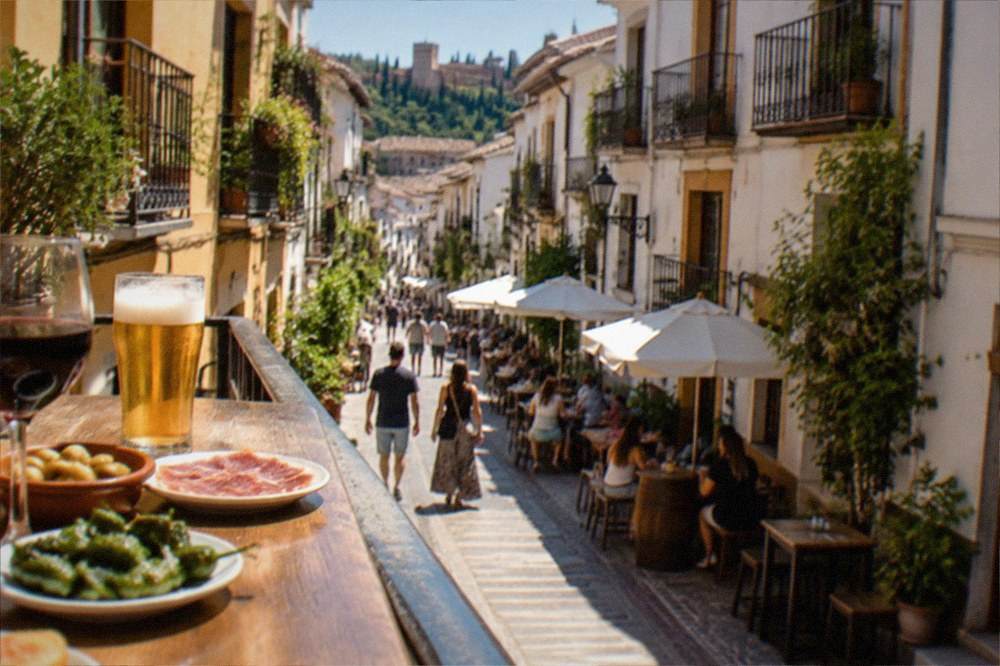
A guided tapas tour in Granada is worth it for the first night of a stay, for anyone who does not speak Spanish, and for visitors with only one or two evenings in the city, because it removes the risk of landing in bars that have thinned out the custom. Going alone is better for travelers with time, since the custom is easy to find and the crawl itself is the entertainment. The strongest guided option is a small-group tapas and wine walk rated 4.9 from 933 reviews.
The case for a guide is information. A good guide knows which kitchens are strong on a Tuesday, which bars let you choose the tapa, and how the portion escalation works at each counter, which is exactly the local knowledge a first-time visitor lacks. The Granada Tapas and Wine Small Group Tour is the flagship option: three and a half hours, small group, from $78 per person, rated 4.9 across 933 reviews. Check availability on the operator's live listing.
The case against is simple: the custom is free-standing and the city is compact. Two evenings of self-guided crawling teaches most of what a guide explains, and the money saved funds the rounds themselves. The honest answer is that the tour is an accelerator, not a necessity.
For a different structure, the Sacromonte and Albaycin walking tour works as a pre-dinner orientation to the neighborhoods you will crawl afterward, pairing the geography with the food.
The Alpujarra villages day trip is the food-adjacent excursion: the mountain region that supplies the jamon and the bean dishes showing up on the city's tapa counters.
Taken together, those three cover the food, the neighborhoods and the wider region that feeds them, and they can be booked independently of each other depending on how much structure the trip needs.
When Is The Best Time Of Year For Tapas In Granada?
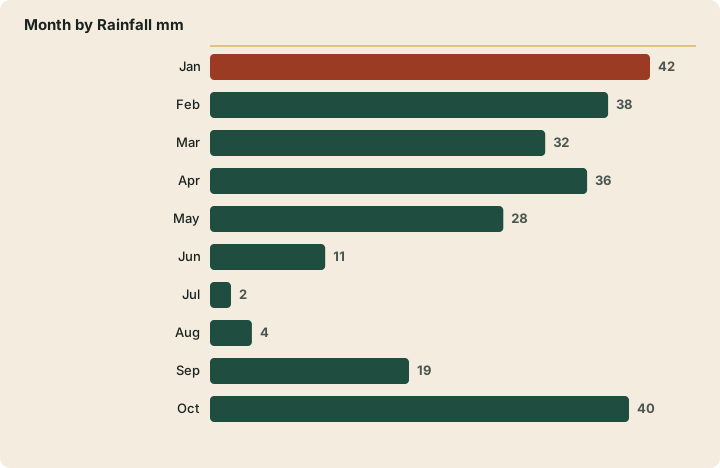
The best months for tapas in Granada are April, May, September and October, when AEMET's climate data shows average highs of 20.6-25.0C and 23.2-29.4C respectively with modest rain, making the standing-and-walking evening comfortable. July and August are the hottest at 34.8C and 34.2C average highs, which pushes the crawl late, and winter nights fall to 0.0-1.7C average lows, which favors indoor counters over street standing.
The climate table below is the AEMET official normals for Granada Aeropuerto, and it maps directly onto crawl planning. Spring brings habas season and Cruces de Mayo (1-3 May in 2026), when the city's squares fill with crosses and casetas and the bars run at full tilt. Corpus Christi, around 4 June in 2026, adds a fair to the same effect.
| Month | Avg High C | Avg Low C | Rainfall mm | Crawl Notes |
|---|---|---|---|---|
| Jan | 13.0 | 0.0 | 42 | Cold nights, indoor counters |
| Feb | 15.4 | 1.6 | 38 | Indoor counters |
| Mar | 19.0 | 3.8 | 32 | Semana Santa crowds begin |
| Apr | 20.6 | 6.0 | 36 | Comfortable evenings |
| May | 25.0 | 9.4 | 28 | Cruces de Mayo, peak season |
| Jun | 31.0 | 13.6 | 11 | Warm nights, late starts |
| Jul | 34.8 | 15.7 | 2 | Hottest month, crawl very late |
| Aug | 34.2 | 15.5 | 4 | Hot, tourist peak |
| Sep | 29.4 | 12.8 | 19 | Comfortable again |
| Oct | 23.2 | 8.7 | 40 | Pleasant evenings |
| Nov | 17.0 | 4.2 | 54 | Wettest stretch begins |
| Dec | 13.4 | 1.7 | 56 | Cold, indoor counters |
Festival weekends change the crawl in both directions: Semana Santa (approximately 29 March-5 April in 2026) fills the center with processions and the bars to match, while quiet winter weeks give you the counter to yourself and the kitchen's full attention. The site's guides to Granada weather and the best time to visit Granada carry the full seasonal breakdown.
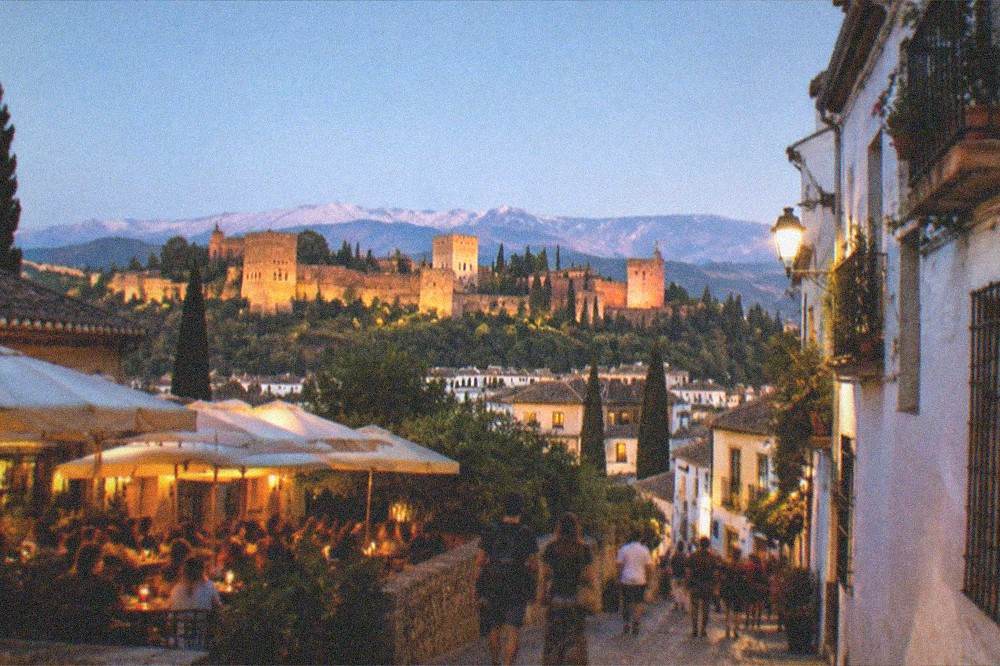
Common Questions About Tapas In Granada
Are tapas really free in Granada?
In many traditional bars, yes: a drink order typically comes with a complimentary small plate, often growing with later rounds. It is a widely upheld local custom rather than a legal requirement, and some venues have adjusted portion sizes or pricing, so it is not guaranteed at every bar.
Do you tip for free tapas in Granada?
Tipping is light in Granada tapas bars. Locals commonly leave small change or round the bill up; there is no expected percentage, and the tapa itself is not separately tipped since it comes with the drink.
What time do people go out for tapas in Granada?
The custom runs late by northern European standards. Bars fill from around 21:00, kitchens work hardest from then until midnight, and on weekends the crawl often starts at 22:00. Arriving at 19:30 finds quieter counters and easier service.
Can you do a tapas crawl in Granada on a Sunday?
Yes, though the scene is thinner than on Thursday through Saturday nights. Navas and the streets around Plaza Nueva keep bars open on Sundays, while some smaller neighborhood kitchens in the Realejo close. The site's guide to free tapas in Granada covers what to expect on quiet days.
Is a tapas crawl in Granada suitable for vegetarians?
Partly. The classic rotation leans heavily on ham and fried fish, but pipirrana, tortilla, gazpacho and cheese plates appear constantly, and bars with a choose-your-own tapa list let vegetarians steer. Tea houses on Caldereria add meat-free pastry options late.
How many bars should a Granada tapas crawl include?
Three or four is the working number. Commit to two rounds at each counter so the portion escalation kicks in, and keep the whole route walkable within one neighborhood rather than crossing the city.
The tapa in Granada is less a dish than a system: order a drink, receive the kitchen's answer, stay long enough for the plates to improve, and walk home through streets that were built for exactly this rhythm. Plan the Alhambra ticket months ahead, but leave the evening loose, because the best counter on any given night is the one with the queue of locals outside it.