Is Granada Hot In The Summer?
Yes, Granada is hot in summer: AEMET data shows July averaging 34.8C highs. What that heat really feels like and how to plan around it.
Granada sits on a high plain at the foot of the Sierra Nevada, and that geography defines its summers. AEMET, Spain's national weather agency, records an average July high of 34.8C at the Granada Aeropuerto station, with barely 2mm of rain across the whole month. That is real heat by any standard. Yet the same data set shows July nights cooling to an average low of 15.7C, a swing of nearly 20 degrees in a single day, and that is the detail most first-time visitors miss. This page lays out exactly what AEMET's 1981-2010 climate normals say about a Granada summer, how the heat changes the way the city should be visited, and what to do about it.
Is Granada Hot In The Summer?
Yes, Granada is hot in the summer. AEMET's climate normals for the Granada Aeropuerto station show an average July high of 34.8C and an average August high of 34.2C, with June at 31.0C and September still reaching 29.4C. Rainfall almost disappears: July averages just 2mm and August 4mm. The saving grace is altitude and dryness, because nights cool to average lows of 15.7C in July and 15.5C in August, so mornings and evenings stay comfortable.
Those figures come from AEMET's official 1981-2010 normals, the standard reference series for the city, and they describe the airport station a short distance from the centre. The numbers describe averages, not extremes: individual July and August afternoons in Granada can push well past that average, and the city's position in a bowl of dry inland Andalusia means the heat arrives with very low humidity rather than the sticky coastal version found in Malaga or Nerja. Dry heat changes the experience. Shade genuinely helps, sweat evaporates quickly, and a seat under a plane tree in the Realejo feels noticeably cooler than the thermometer suggests.
The pattern across the summer months is consistent. June warms up fast, with an average high of 31.0C and an average low of 13.6C. July is the peak, the hottest and driest month of the year. August holds almost exactly the same daytime heat while nights stay warm. September is the first month of relief, averaging 29.4C by day and 12.8C by night, with rainfall creeping back up to 19mm. Anyone deciding between months should know that the difference between July and September is real but not dramatic on paper; the felt difference is larger because September's evenings arrive noticeably earlier and cooler.
| Month | Average High (C) | Average Low (C) | Average Rainfall (mm) |
|---|---|---|---|
| June | 31.0 | 13.6 | 11 |
| July | 34.8 | 15.7 | 2 |
| August | 34.2 | 15.5 | 4 |
| September | 29.4 | 12.8 | 19 |
Source for all figures: AEMET climate normals, Granada Aeropuerto station, 1981-2010 period. For a month-by-month comparison across the whole year, see the best month to visit Granada.
How Hot Does A Granada Afternoon Actually Feel?
A Granada afternoon in July and August feels like dry, intense furnace heat in direct sun and something much milder in shade, because the city's low humidity makes the two conditions feel like different places. The average high of 34.8C is measured in standard conditions, but sun-exposed stone surfaces like the Alhambra's Alcazaba esplanade or Carrera del Darro radiate well beyond that, while a shaded Albaicin courtyard feels markedly cooler. The heat is at its worst between roughly 14:00 and 18:00.
The practical consequence is that summer shapes the daily rhythm of the city more than it shapes the calendar. Locals and experienced visitors shift sightseeing to the morning, take a long shaded lunch or a siesta through the peak hours, and come back out for the evening, when temperatures fall toward the average lows and the streets refill. The tapas tradition supports this rhythm naturally: a cold drink in a shaded bar is the standard Granada answer to a hot afternoon, and in many traditional bars the drink still arrives with a complimentary small tapa, a custom that 2026 reporting confirms remains widely upheld, though it is local practice rather than a guarantee at every venue. More on that in does Granada still do free tapas.
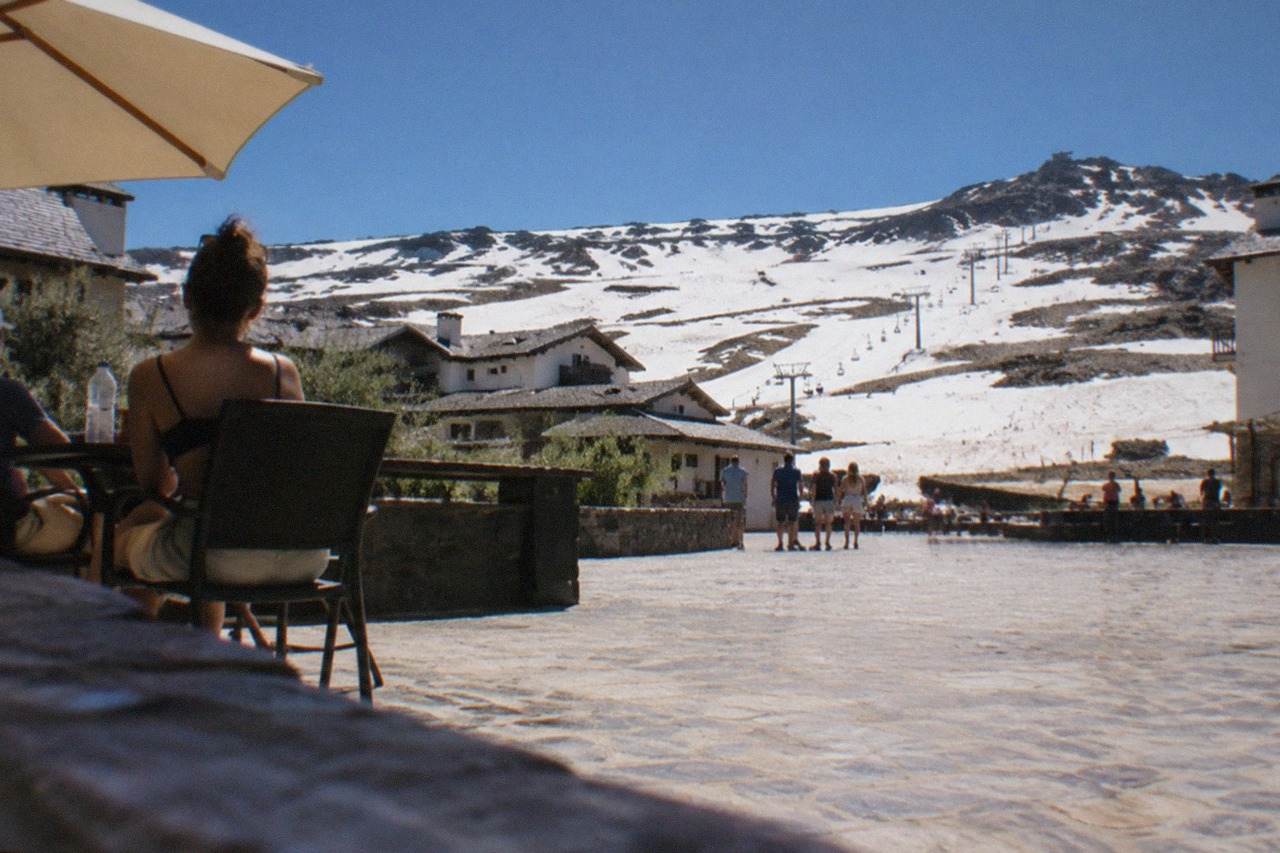
Altitude is the other factor that separates Granada from Andalusia's coastal cities. At its elevation the city cools sharply once the sun drops, which is why a July evening at the Mirador de San Nicolas can feel pleasantly mild at an hour when Malaga is still sweltering. The same elevation also explains why snow can remain visible on the Sierra Nevada from the city even while the plain below bakes: the mountains hold winter far longer than the city does, and the contrast is one of Granada's signature summer views.
Does Summer Heat Change How You Should Visit The Alhambra?
Yes, summer heat changes the Alhambra plan in two concrete ways: the complex runs longer hours (08:30-20:00 from 1 April to 14 October, per the Patronato's official page), and the timed Nasrid Palaces slot on your ticket becomes the anchor of the whole day.
The General ticket costs EUR 22.27 at the live official price and routinely sells out 1-2+ months ahead in peak season, with online sales closing at 23:59 the day before, so a summer visit must be booked long before any forecast is reliable. Other pages covering the same trip are gathered on Things To Do In Granada.
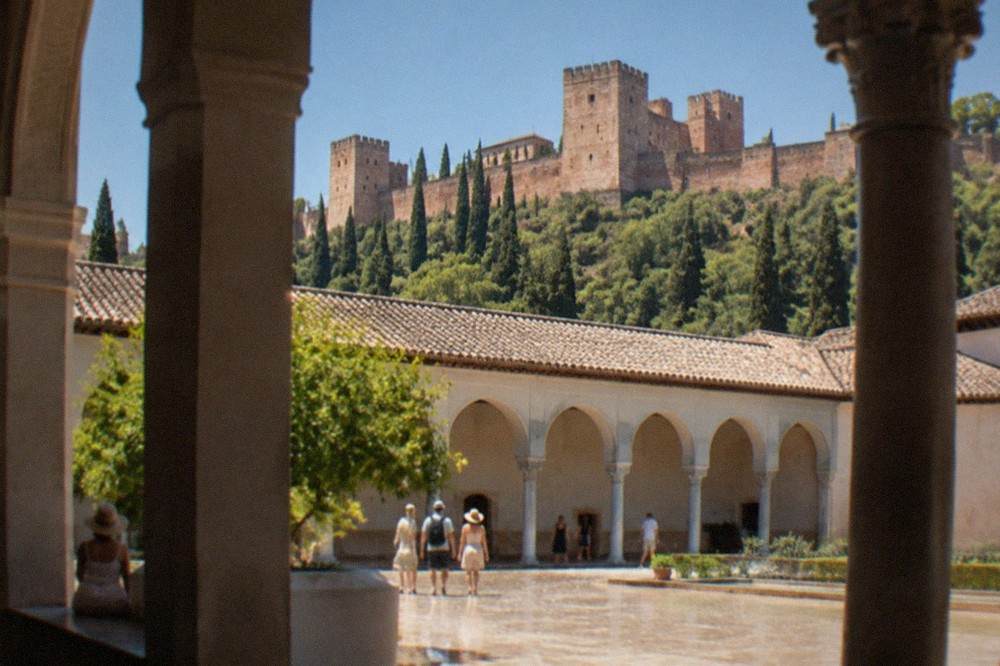
The Patronato de la Alhambra's own ticket page states the day-visit hours plainly: 08:30 to 20:00 in the summer window, with the ticket office open from 08:00. That long window is a gift in hot weather, because the smart summer strategy is to enter close to opening, tour the Nasrid Palaces and Alcazaba in the relative cool of the morning, and save the Generalife gardens, with their water channels and shade, for later. The gardens are the most heat-tolerant part of the complex; the Alcazaba's exposed ramparts are the least.
Two rules matter as much as the temperature. First, the Nasrid Palaces ticket is nominative and timed: photo ID is checked at entry, and the half-hour window for the Palaces specifically is strictly enforced, while the rest of the complex can be visited at any point on the same ticket date. Second, the Alhambra is not a walk-up attraction in summer. Daily capacity runs to roughly 6,600-7,000 visitors with the Nasrid Palaces capped at about 300 people per half-hour slot, tickets are released around three months ahead, and the General ticket routinely sells out one to two months or more in advance for July and August dates. If tickets are already gone, the options are laid out in what to do if Alhambra tickets are sold out and can you get Alhambra tickets on the day.
Where Do You Escape The Heat In And Around Granada?
The classic escapes from Granada's summer heat are the city's own shaded hills and the mountains behind it: the Albaicin and Sacromonte quarters catch evening breezes and face the sunset, while the Sierra Nevada sits dramatically cooler than the plain below. The Alhambra's gardens and the Generalife's water channels are in-city refuges. For a full-day reset, the Alpujarras mountain villages and the Sierra Nevada hiking areas offer genuine altitude relief from the 34.8C July average.
Within the city, the evening walk up through the Albaicin to the Mirador de San Nicolas is the traditional summer ritual, and it is no accident that it happens at sunset: the viewpoint faces west across to the Alhambra with the Sierra Nevada behind, and by then the day's heat has broken. A guided option that fits the season exactly is the Albaicin and Sacromonte sunset walking tour, a 2.5-hour walk rated 4.9 from 3,533 reviews on the operator's listing, departing at the hour when the city is at its most comfortable. You can Check availability directly, and the wider evening itinerary is covered in what not to miss in Granada.
Out of the city, altitude is the whole story. The Sierra Nevada's ski resort typically runs a winter season from late November to early or mid-April, weather dependent, and its official 2026-2027 dates had not been published at research time, so check the official site for this season's calendar. In summer the same mountains flip into hiking country: the Los Cahorros gorge route with its bridges, caves and waterfalls, and higher routes reaching up to 3,000 metres, put you in air far cooler than the city. The Alpujarras villages on the mountain's southern flanks work on the same principle, white villages strung along irrigation channels at elevations Granada itself does not reach.
What Should You Pack And Plan For A Hot Granada Summer?
Pack for two climates in one day: light, breathable daytime clothing, serious sun protection, and a real layer for evenings that average 15.7C in July, plus comfortable shoes for cobbles and hills. Plan each day as morning sightseeing, a shaded midday break, and an evening outdoors, because Granada's summer rhythm rewards those who follow it and punishes those who fight it with a 14:00 hill climb in full sun. Book the Alhambra and any tours weeks ahead, since summer is peak sell-out season.
The details that matter are unglamorous. Sunscreen and a hat are non-negotiable for the Alcazaba and the Albaicin's unshaded lanes. A refillable bottle matters more than usual because the dry air dehydrates faster than humid heat does. Shoes need grip: the Albaicin's cobbled slopes and the Sacromonte paths are steep and polished by centuries of feet. And the evening layer is not optional advice for the faint-hearted; AEMET's data shows even August averaging 15.5C overnight, so a sunset mirador stop after a 34C afternoon can feel like a different season without one.
| Summer Planning Item | What AEMET And The Official Sources Say |
|---|---|
| Hottest window | July, average high 34.8C, average low 15.7C, 2mm rain |
| Peak heat hours | Roughly 14:00-18:00; plan shade or indoor stops |
| Evening comfort | July and August lows average 15.7C and 15.5C |
| Alhambra summer hours | 08:30-20:00 (1 April-14 Oct), ticket office from 08:00 |
| Alhambra General ticket | EUR 22.27 live official price; sells out 1-2+ months ahead in peak season |
Common Questions About Summer Heat In Granada
Is Granada hot in the summer?
Yes. AEMET's climate normals show average July highs of 34.8C and August highs of 34.2C, with almost no rain. The heat is dry rather than humid, and nights average 15.7C and 15.5C respectively, so mornings and evenings remain comfortable.
Is Granada hotter than Seville or Cordoba in summer?
All three inland Andalusian cities are hot in July and August, and this site's verified facts cover Granada's figures only: a 34.8C average July high. The practical difference for Granada is its elevation, which produces cooler nights than the lower Guadalquivir valley cities. Comparisons are covered in which is nicer, Seville or Granada.
Is the Alhambra too hot to visit in summer?
No, but it needs planning. The complex opens 08:30-20:00 in the summer window, so an early entry beats the worst heat, and the Generalife gardens are the most shaded part of the visit. The Nasrid Palaces slot on your ticket is timed and strictly enforced, so book a morning slot and treat the rest of the day flexibly.
What is the hottest month in Granada?
July, with an average high of 34.8C and an average rainfall of just 2mm, per AEMET's normals for the Granada Aeropuerto station. August is nearly identical by day at 34.2C.
Do you need a jacket for summer evenings in Granada?
Yes, a light one. July nights average 15.7C and August nights 15.5C, and sunset viewpoints like the Mirador de San Nicolas sit on exposed hills where it feels cooler still.
How many days do you need in Granada in summer?
The heat argues for at least two to three unhurried days rather than one compressed sprint, so the Alhambra, the Albaicin and the tapas evenings each get their own comfortable window. The full breakdown is in how many days in Granada is enough.
Granada in summer is a city of two temperatures, scorching afternoons and mild, lively evenings, and the travellers who enjoy it most are the ones who let AEMET's numbers set their schedule: out early, shaded at midday, and on a mirador hill with the sunset behind the Alhambra by the time the streetlights come on.