What Are Some Areas To Avoid In Granada?
An honest, area-by-area answer for visitors asking what parts of Granada deserve extra care, which are simply crowded, and which warnings are outdated.
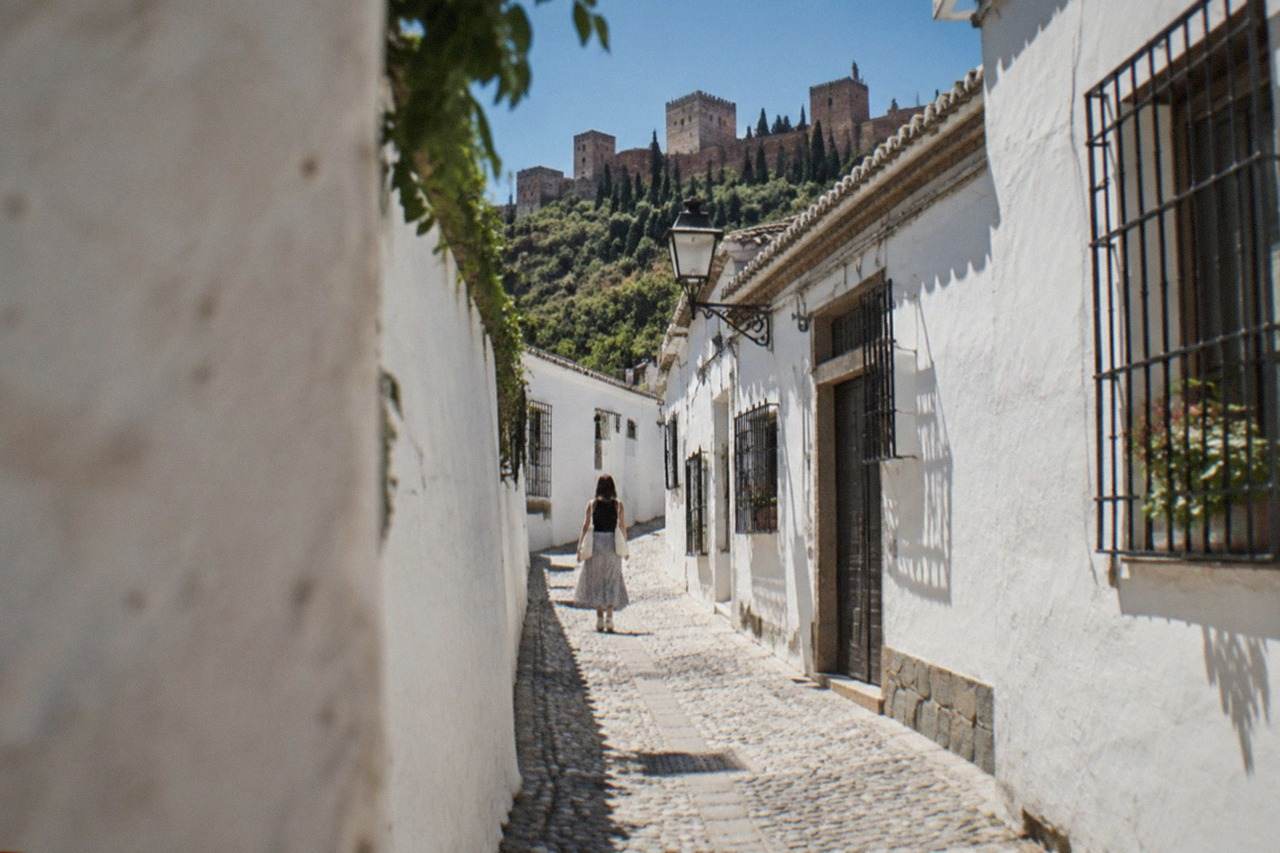
Granada receives well over two million visitors a year at the Alhambra alone, 2,726,861 in 2025 according to the Patronato's own annual report, and the overwhelming majority of them finish their trips without a single safety incident. That is the honest starting point. The question visitors actually ask, though, is not whether the city is dangerous but where the edges are: which streets feel sketchy after dark, which warnings are recycled folklore, and which neighbourhoods deserve a little planning rather than avoidance. The short version is that Granada has no district a reasonable visitor should cross off entirely, but it does have a handful of specific situations, mostly involving dark hillside lanes, late-night crowds and opportunistic theft, that account for nearly all the trouble tourists ever meet here.
What Are Some Areas To Avoid In Granada?
No neighbourhood in Granada needs to be avoided outright, and the city has no district that is genuinely off-limits to visitors. The places that deserve extra care are the unlit stepped lanes of the upper Albaicin and Sacromonte after dark, the crowded lower stretch of Carrera del Darro where pickpockets work, and the area immediately around the bus station late at night. Everything else on the usual warning lists, including the whole of the Realejo and the city centre, is ordinary urban Spain where normal street sense is enough.
That answer surprises people who arrive expecting a list of no-go zones, because Granada does not really have any. What it has is terrain. The Albaicin and Sacromonte are hillside quarters built of steep, stepped alleys that were laid out centuries before street lighting, and while the main lanes are lit and busy, the side lanes a few metres away can be pitch black by ten in the evening. The hazard there is not violent crime, which is rare, but the combination of darkness, uneven stone steps and the simple fact that a lost tourist staring at a phone is an easy mark for an opportunistic thief.
The other genuinely caution-worthy situations are crowds and transit. Carrera del Darro, the riverside street below the Alhambra, is one of the most beautiful walks in Andalusia and one of the busiest, and dense crowds anywhere are where pickpockets earn their living. The bus station lies a metro ride north of the centre, and the blocks around it are unremarkable rather than unsafe, but arriving at midnight with luggage and no plan is a situation worth avoiding for logistics reasons more than safety ones.
Is The Albaicin Actually Risky After Dark?
The lower and central Albaicin, including Plaza Nueva, Calle Elvira and the walk up to the Mirador de San Nicolas, are busy and unremarkable at night and are not areas to avoid. The risk concentrates in the upper lanes above the mirador and on the far side of the quarter, where lighting is sparse, steps are uneven and foot traffic thins out after restaurants close. Visitors who stay on the main lit routes after dark, or walk up in company, remove almost all of the real risk.
The distinction matters because the Albaicin is Granada's most-visited residential quarter, and blanket warnings against it would keep people away from one of the city's best experiences. The quarter forms part of the same UNESCO World Heritage inscription as the Alhambra, added in the 1994 extension to the original 1984 listing, and its evening atmosphere, candlelit terraces and the classic view of the floodlit palace from the Mirador de San Nicolas, is a highlight of most trips, and features on nearly every list of what not to miss in Granada.
The practical advice is simple. Walk the popular routes, such as the climb from Plaza Nueva or the loop past the mirador, at any hour when other people are out. If returning to accommodation deep in the quarter late at night, take a taxi rather than picking your way down unlit cobbled lanes with a phone flashlight, which announces both your route and your distraction. And treat any quiet, unlit stepped lane, in the Albaicin or anywhere in Granada, as a place to skip after dark, not because something will happen but because nothing good happens faster there.
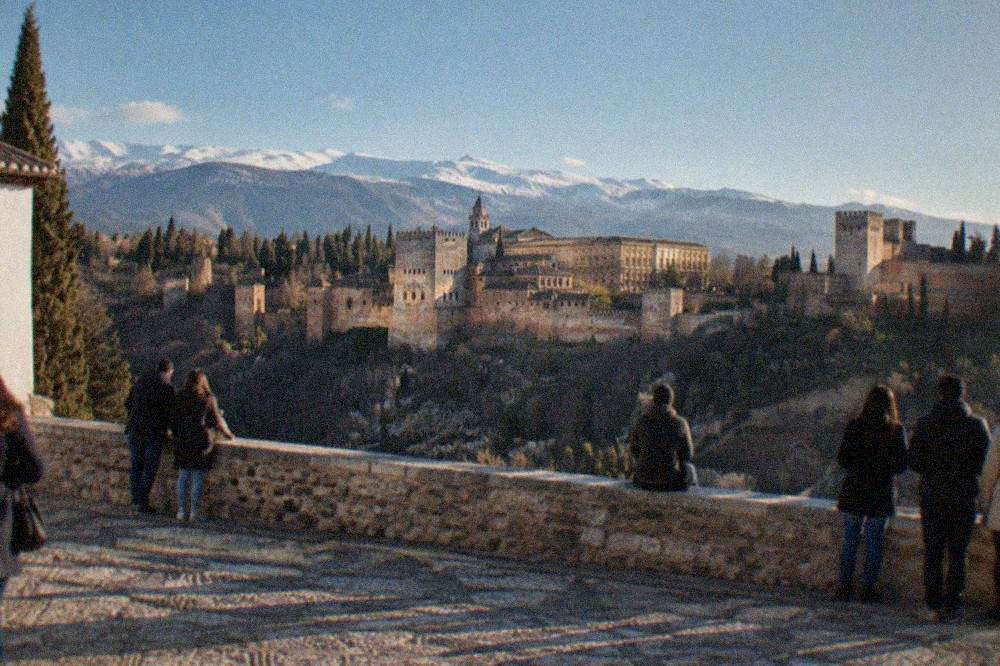
A guided walk removes most of the guesswork, since a local guide knows exactly which lanes to use and which to skip, and the old-quarter options below cover the terrain this section is about.
Which Specific Streets And Situations Deserve Extra Care?
The situations worth managing in Granada are pickpocketing on crowded Carrera del Darro and in the Albaicin's busiest lanes, unlit stepped alleys in the upper Albaicin and Sacromonte after dark, the Sacromonte cave lanes beyond the main drag where foot traffic disappears, the streets around the bus station late at night, and the bar-crawl strips of Calle Elvira and Pedro Antonio de Alarcon in the small hours when drunk crowds, not criminals, cause most incidents. None of these is a no-go area.
Breaking that down by place helps, because the risks are different in kind. The table below pairs each caution area with what actually goes wrong there and the specific habit that prevents it. Nothing in it requires avoiding a neighbourhood; every row is about timing and attention. The rest of the planning pages sit on Things To Do In Granada.
| Area or situation | What actually happens there | The habit that solves it |
|---|---|---|
| Carrera del Darro, lower stretch | Dense tourist crowds make opportunistic theft practical | Keep phones and wallets out of back pockets, bags zipped and in front |
| Upper Albaicin side lanes | Unlit steps, thin foot traffic after restaurants close | Use main lit routes at night, or take a taxi to the door |
| Sacromonte cave lanes beyond the main street | Isolation and darkness on the walk back after a show | Book a show with transport or walk back in a group |
| Around the bus station at night | Logistics stress rather than danger, empty streets, few people to ask | Arrive by day when possible, or pre-book a taxi |
| Calle Elvira and Pedro Antonio late at night | Alcohol-fuelled noise and scuffles between revellers | Normal bar-crawl sense, keep groups together |
| Any crowded viewpoint or festival crowd | Distraction theft during photo moments | Nothing valuable in outer pockets at viewpoints |
Sacromonte deserves its own word. The cave district east of the Albaicin is where Granada's flamenco tradition lives, and an evening show in a cueva is one of the city's signature nights out. The walk there along the Camino del Sacromonte is fine while the evening is warm and other visitors are heading the same way. The caution is the walk back: once shows end, the lane empties fast, the hill is steep, and a pre-booked taxi or a show package that includes a ride back converts the district's only real drawback into a non-issue.
The bus station point is often misread as a crime warning. It is not. The station sits well north of the centre, connected by the Alsa Linea 245 airport route and urban services, and the surrounding blocks are plain residential and commercial streets. The reason to plan an arrival there by daylight is simply that late-night arrivals with luggage, in any unfamiliar city, invite mistakes, and Granada's metro, useful as it is for the north-south axis, does not reach either the airport or the Alhambra, so the last leg always involves a bus, a taxi or a walk that deserves a map checked in advance.
Where Should You Stay To Feel Comfortable In Granada?
First-time visitors who prioritise feeling comfortable should base themselves in the flat city centre around Puerta Real and Plaza Nueva, or the lower Realejo, both of which stay busy and well-lit late into the evening. Staying inside the Albaicin is atmospheric and safe on its main lanes, but the upper lanes involve steep dark walks home, and Sacromonte accommodation means a hill climb every night. The trade-off is character versus convenience, not safety versus danger.
The Realejo, the old Jewish quarter on the Alhambra's western flank, is sometimes named in outdated forum threads and does not belong on any avoid list at all. It is a residential quarter of painted streets, tapas bars and the Carmen of Rodriguez-Acosta museum, and its evenings are as calm as central Granada's. The honest reason it works well for cautious visitors is elevation and lighting: it sits closer to the flat centre than the Albaicin does, so the walk home from dinner rarely involves unlit steps.
Choosing a base with the practical questions in mind, transport legs, evening walks, how late the surrounding streets stay alive, matters more than any neighbourhood label. The comparison below is about comfort and logistics, using figures from the verified transport facts.
| Base area | Evening character | Last-leg logistics |
|---|---|---|
| Centre, Puerta Real to Plaza Nueva | Flat, busy, lit, tapas bars open late | Everything walkable, taxis plentiful |
| Lower Realejo | Residential and calm, well-lit main streets | Short walk uphill from centre, no unlit steps on main routes |
| Albaicin, main lanes | Atmospheric, busy near Plaza Nueva and the mirador | Steep cobbled lanes, taxi recommended to the door late |
| Upper Albaicin and Sacromonte | Quiet by 23:00, dark side lanes | Steep climbs, taxi strongly recommended after dark |
If the Alhambra is the anchor of the trip, and for most visitors it is, the surrounding logistics deserve as much planning as the room. The Alhambra is not served by the metro, and the LAC and C34 bus lines or a taxi handle the hill climb; tickets are nominative, timed for the Nasrid Palaces with the half-hour window strictly enforced, and online sales close at 23:59 the day before the visit. A guided three-hour option covering the Nasrid Palaces and Generalife takes the timing burden off your evening plans and pairs well with a central base, since the meeting point sits on the flat side of the hill.
For a fuller comparison of bases, the area-by-area breakdown in where to stay in Granada for first timers covers each quarter in more depth than this safety-focused page can.
What Should You Avoid Doing In Granada Rather Than Avoid Seeing?
The mistakes worth avoiding in Granada are behaviours, not places: walking unlit hillside lanes alone late at night, carrying phones in back pockets on Carrera del Darro, counting on walk-up Alhambra tickets in peak season, leaving the bus station at midnight with no booked last leg, and treating any crowded viewpoint as a photo op with a bag hanging open. Every one of these is preventable with a decision made earlier in the day, and none of them requires skipping a single neighbourhood.
The Alhambra point deserves repeating because it is the most common self-inflicted disaster in the city, and it has nothing to do with crime. Daily capacity runs at roughly 6,600 to 7,000 visitors with the Nasrid Palaces capped near 300 people per half-hour slot, tickets release about three months ahead, and the General ticket often sells out one to two months or more in advance for spring and autumn dates. Visitors who leave it to arrival week discover the palace is fully booked and spend their trip looking at it from across the valley. That is the one thing in Granada genuinely worth avoiding, and it is a calendar mistake.
The rest is ordinary travel hygiene, elevated slightly by geography. Granada's hills mean that "a short walk back" can involve more stairs than expected, and darkness plus stairs plus fatigue is where most minor incidents, twisted ankles included, actually happen. The free tapas culture, widely upheld in traditional bars though never guaranteed at every venue, keeps the centre's streets populated and social late into the night, which is itself a safety feature: the busiest walking routes in Granada are its safest. Visitors stretching a budget will find plenty of free things to do in Granada along exactly those busy central routes, which is the safest kind of sightseeing there is.
For visitors who want the city's essentials without the planning load, a structured visit covers the Alhambra and the old quarters with someone else handling the timing, and the trio below are the strongest fits for exactly that.
Common Questions About Areas To Avoid In Granada
What are some areas to avoid in Granada?
No area needs to be avoided outright. The places deserving extra care are the unlit upper lanes of the Albaicin and Sacromonte after dark, the crowded lower Carrera del Darro for pickpocketing, and the streets around the bus station late at night for logistics rather than crime.
Is the Albaicin safe at night?
The main lanes, including the route to the Mirador de San Nicolas, stay busy and are safe at night. The upper side lanes are steep, unlit and empty after restaurants close, so a taxi to the door is the sensible habit for late returns.
Is Sacromonte dangerous?
No. Sacromonte is a quiet hillside cave district whose only real drawback is the steep, dark walk back after a flamenco show. Booking a show with transport included, or taking a taxi back, removes the issue entirely.
Is Granada safe for solo travellers and families?
Yes. Granada is one of Spain's calmer mid-sized cities, and the incidents visitors do experience are overwhelmingly opportunistic theft in crowds, not violence. Normal city habits, plus planning around the hills at night, cover nearly every risk.
Does the metro reach the Alhambra or the airport?
No. The Metro de Granada runs north-south through the city and metro area and serves neither. The airport connection is the Alsa Linea 245 bus, EUR 3.10 one way and roughly 40-45 minutes, and the Alhambra is reached by the LAC or C34 bus lines, a taxi, or the walk up from Plaza Nueva.
What is the biggest avoidable mistake in Granada?
Leaving Alhambra tickets too late. The General ticket at EUR 22.27 is not the issue, availability is: tickets release about three months ahead, online sales close at 23:59 the day before, and peak-season dates sell out one to two months or more in advance.
The honest summary for anyone asking what to avoid in Granada is that the city rewards planning far more than wariness. Pick a base on the flat centre or the lower Realejo if evening walks matter to you, keep valuables tight on the busy riverside streets, book the Alhambra and your flamenco night ahead, and let a taxi handle the last dark hill of the evening. Everything this editorial desk has verified about the city says the same thing: the areas to avoid in Granada are not neighbourhoods at all, they are a handful of unlit steps and unbooked tickets, and both are easy to route around.