What Is The Best Viewpoint In Granada?
The best viewpoint in Granada is the Mirador de San Nicolas, plus the other miradors, the best time of day to go, and how to work each one into a visit.
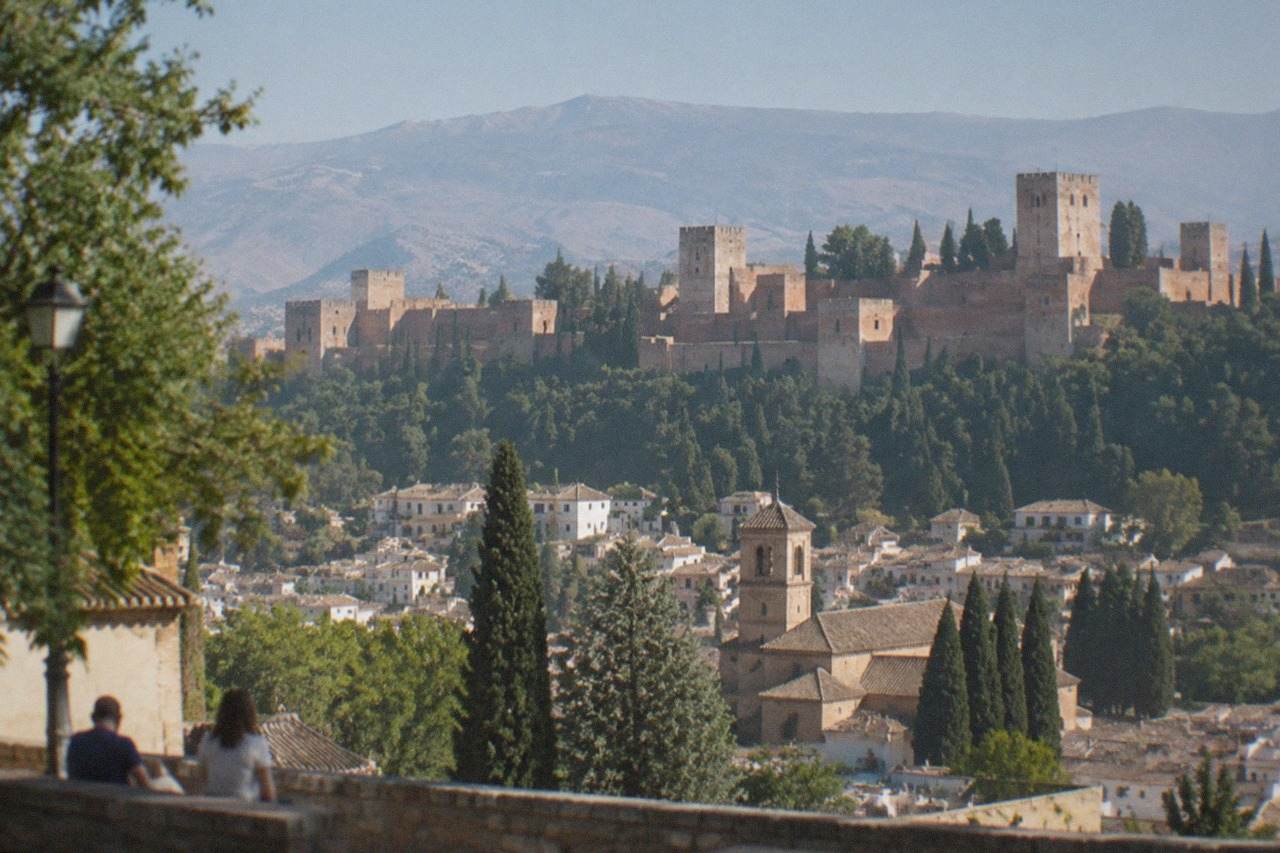
Granada is one of very few European cities where the postcard view is a public square that costs nothing to stand in. The Alhambra sits on its own hill facing the Albaicin, and the two face each other across a river valley, which means the classic view of the palace is not from the palace at all but from the narrow lanes and small terraces of the old Moorish quarter on the opposite slope. The Patronato de la Alhambra's own figures put 2025 attendance at 2,726,861 visitors, close to the complex's annual capacity ceiling, so the streets around the best viewpoints can feel nearly as busy as the monument itself in high season. This page answers the question directly, then covers the other miradors worth the climb, the best time of day for each, and the practical details that make the difference between a good photo and a wasted walk.
What Is The Best Viewpoint In Granada?
The best viewpoint in Granada is the Mirador de San Nicolas, the terrace on the Albaicin hill where the church of San Nicolas gives the spot its name. From its railing the entire Alhambra complex sits framed against the Sierra Nevada, with the Nasrid Palaces, the Alcazaba and the Generalife gardens laid out left to right and the city roofs falling away below. It is free, it is public, and it faces west, which means the palace catches the evening light while the mountains behind it turn pink at sunset.
That framing is why nearly every photograph of the Alhambra you have ever seen was taken from here or from within a few hundred metres of it. The Alhambra was built to be seen from the Albaicin, and the Albaicin was in turn built to be seen from the Alhambra, so the two hills have been looking at each other for seven centuries. UNESCO recognised this relationship when it inscribed the Alhambra, Generalife and Albaicin as one World Heritage listing in 1984, extended in 1994, rather than treating them as separate monuments.
The mirador itself is a modest stone terrace in front of the church, usually with a few buskers, a handful of souvenir stalls and a constant rotation of visitors leaning on the wall. It fills up in the last hour before sunset, so arriving early is the difference between a place at the railing and a view over other people's phones. In summer, when AEMET's climate data shows July averaging a high of 34.8C, the sunset hour is also the most comfortable time to be on an unshaded hill.
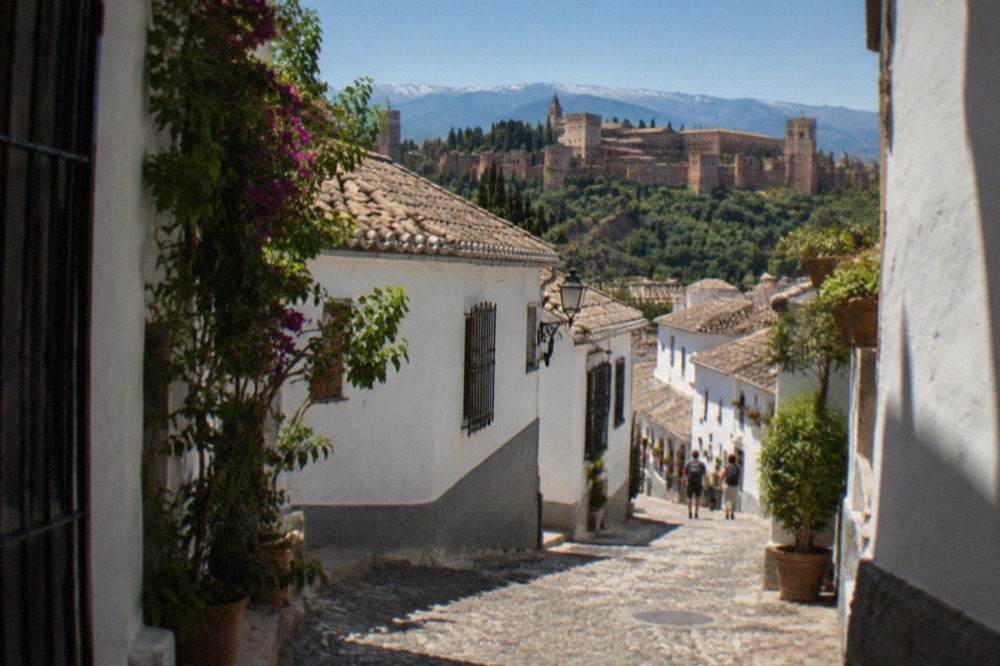
The walk up through the Albaicin is part of the experience. The lanes are steep, cobbled and signposted from the Carrera del Darro at the bottom of the valley, and the route passes smaller squares and whitewashed walls that are worth the climb on their own. If you are planning the rest of your stay around it, our guide to what not to miss in Granada places the mirador in a fuller itinerary.
Why Does The Mirador de San Nicolas Beat The Other Options?
It wins on the angle, the foreground and the price all at once. From this terrace the Alhambra appears at its most complete, with the full width of the complex visible and the Sierra Nevada rising directly behind it, a combination no other free viewpoint in the city matches. The palace's west-facing walls take the evening light here, and no other spot puts all of that in one photograph without a ticket or a long detour.
The alternatives each trade away something. The towers inside the Alhambra give you the city seen from the palace, which is the reverse of the classic shot and requires a ticket to a monument that routinely sells out one to two months ahead in peak season, with online sales closing at 23:59 the day before the visit date. The Sacromonte viewpoints are higher but put the Alhambra at a more oblique angle. The Realejo side of the valley sees the palace from the south, which flattens the composition.
There is also a practical point that first-time visitors miss. The Mirador de San Nicolas is reachable on foot from the city centre, is served by the Albaicin's bus connections, and sits inside a lived-in neighbourhood, so you can combine it with dinner or a drink rather than making it a standalone excursion. The Alhambra sells out and needs booking months ahead; the mirador asks nothing except a walk uphill.
Which Other Granada Viewpoints Are Worth The Walk?
After San Nicolas, the strongest viewpoints are the Mirador de San Cristobal at the top of the Albaicin, the Sacromonte road terraces above the cave quarter, the Mirador de la Churra near the Alcazaba's own walls, and the platforms inside the Alhambra itself, each offering a genuinely different composition rather than a lesser version of the same shot. San Cristobal gives the widest panorama of the whole city, Sacromonte adds the cave district and the Darro valley into the frame, and the Alhambra's own terraces reverse the view entirely.
The table below summarises what each one offers and what it costs you in effort. Walking times depend entirely on your starting point and pace, so treat the character of each climb rather than any fixed figure, and note that the Alhambra interior viewpoints require the same ticket as the Nasrid Palaces. Everything else covered here is indexed on Things To Do In Granada.
| Viewpoint | Where | What you see | Cost | Best light |
|---|---|---|---|---|
| Mirador de San Nicolas | Albaicin, in front of the church | Full Alhambra with Sierra Nevada behind | Free | Sunset, west-facing |
| Mirador de San Cristobal | Top of the Albaicin | Whole city panorama, cathedral and Alhambra together | Free | Morning, clear air |
| Sacromonte road terraces | Camino del Sacromonte | Albaicin across the Darro valley, caves in foreground | Free | Afternoon and evening |
| Alhambra terraces (Alcazaba towers) | Inside the monument | Albaicin and city seen from the palace | Alhambra ticket, EUR 22.27 General | Late afternoon |
| Mirador de la Churra | Near the Alcazaba, city side | Close-up of the Alcazaba towers and valley | Free | Morning |
Two of these deserve a special mention. San Cristobal is the highest of the Albaicin's public terraces and is where you see that Granada is a plain city with a green Vega stretching toward the airport, not just a hill town, and it is usually quiet even when San Nicolas is packed. The Sacromonte road, which runs above the cave quarter where flamenco is still performed in the caves, strings together several small terraces, and the walk between them passes the Sacromonte cave flamenco venues, so an evening here can end with a show rather than just a photo.
For the reverse view, you need to be inside the monument. The Alcazaba's towers look straight down at the Alhambra's own gardens and across at the Albaicin, and the Generalife terraces frame the palace against the valley. The General ticket, currently EUR 22.27 on the official ticket pages, includes the Nasrid Palaces, Alcazaba and Generalife in one timed visit, and the Nasrid Palaces slot on the ticket is a strictly enforced half-hour window with photo ID checked at entry. Because the General ticket sells out one to two months ahead in spring and autumn, anyone visiting specifically for these interior views should book as soon as dates release, roughly three months in advance. You can Check availability for an entry ticket with the palace access included, or read our comparison of which ticket is best for the Alhambra if you are weighing the options.
What Is The Best Time Of Day For Granada Viewpoints?
Sunset is the best time for every viewpoint that faces the Alhambra, which is most of them, because the palace's walls catch the low western light while the Sierra Nevada behind it glows pink and then violet. The Mirador de San Nicolas is at its best in the final hour before the sun drops. The Alhambra's interior terraces and the San Cristobal panorama are better in the morning, when the air is clearer and the city is at its coolest.
The seasonal pattern matters as much as the hour. AEMET's climate normals for the Granada Aeropuerto station show July with just 2mm of rain and December with 56mm, so summer evenings are reliably golden but brutally hot on an exposed terrace, while winter sunsets are colder, earlier and often clearer after rain has washed the valley. Spring and autumn are the compromise most photographers prefer, and they are also, not coincidentally, the months when Alhambra tickets are hardest to get.
| Month | Avg high C | Avg low C | Rainfall mm | Viewpoint conditions |
|---|---|---|---|---|
| January | 13.0 | 0.0 | 42 | Cold evenings, snow often visible on the Sierra Nevada |
| April | 20.6 | 6.0 | 36 | Mild, peak season crowds begin |
| July | 34.8 | 15.7 | 2 | Hot at midday, superb clear sunsets, stay late |
| October | 23.2 | 8.7 | 40 | Warm afternoons, occasional rain |
| December | 13.4 | 1.7 | 56 | Short days, wrap up for sunset |
One detail worth planning around: the sun sets behind the Sierra Nevada as seen from the Mirador de San Nicolas, which means the mountains go pink before the light leaves the palace, and the best photographs are usually taken in the ten minutes after the sun itself disappears. The crowd thins at exactly that moment. If you want to build the whole trip around light and weather, our month-by-month guide to the best time to visit Granada goes deeper than a single viewpoint needs.
How Do You Fit The Viewpoints Into A Granada Visit?
Most visitors can cover the Mirador de San Nicolas, the Sacromonte terraces and the Carrera del Darro in one late-afternoon loop, walking up through the Albaicin, watching the sunset from the railing, then descending past the Darro valley as the floodlights come on the Alhambra. The Alhambra's own viewpoints need a separate slot tied to a pre-booked ticket, since the Nasrid Palaces entry window is a fixed half-hour that cannot be moved. Two days is enough for all of it; one day forces a choice.
The loop works because the geography cooperates. The Carrera del Darro runs along the river at the bottom of the valley between the two hills, and the Albaicin climbs from its eastern end while Sacromonte branches off to the east. Doing the free viewpoints on a separate evening from the Alhambra visit also spreads the walking, which matters in a city where every route between the best views involves a hill.
For anyone with more time, the viewpoints are a good anchor for day trips too, since the same mountains you photograph at sunset are the ones you can hike the next morning. Our answer to how many days in Granada is enough lays out the trade-offs, and the trio below covers the tours that pair most naturally with a viewpoint-focused stay.
Common Questions About Granada Viewpoints
What is the best viewpoint in Granada?
The Mirador de San Nicolas in the Albaicin. It faces the full width of the Alhambra with the Sierra Nevada behind it, it is free, and it is at its best in the hour before sunset when the palace walls catch the low western light.
Is the Mirador de San Nicolas free?
Yes. It is a public terrace in front of the church of San Nicolas on the Albaicin hill, open at all hours and costing nothing. The only viewpoints in Granada that require a ticket are the terraces and towers inside the Alhambra, which are covered by the monument's entry ticket.
Can you see the Sierra Nevada from Granada's viewpoints?
Yes, and this is what makes the Mirador de San Nicolas composition unique among Spanish city views. The Sierra Nevada sits directly behind the Alhambra as seen from the Albaicin, and in winter months the snow line is often visible from the city, since AEMET's normals show January nights averaging 0.0C in Granada itself.
When is the Mirador de San Nicolas busiest?
In the final hour before sunset, year round. The terrace fills with photographers and visitors before the light peaks in the ten minutes after the sun drops behind the mountains, and the crowd thins quickly after that. Arriving early, or coming at sunrise for the reverse light on the Albaicin, avoids the crush.
Do you need a tour to enjoy the viewpoints?
No, all the main miradors are free and reachable on foot. A guided walking tour of the Albaicin and Sacromonte adds history and context you cannot read off the walls, and the Alhambra's interior viewpoints require the same pre-booked ticket as the Nasrid Palaces regardless of whether you tour or go alone.
Are Granada's viewpoints safe at night?
The Mirador de San Nicolas and the main walking routes are busy and policed through the evening, especially at sunset. As with any hillside quarter, the standard advice applies: keep valuables out of sight on crowded terraces and use the well-lit main lanes rather than unlit shortcuts when descending.
Whichever terrace you choose, go twice if you can: once for the sunset the postcards promise, and once in the quiet of a morning, when the Alhambra sits in shadow and the mountains are the only thing catching the light.