Alcaiceria: Granada's Historic Silk Market And How To Visit It
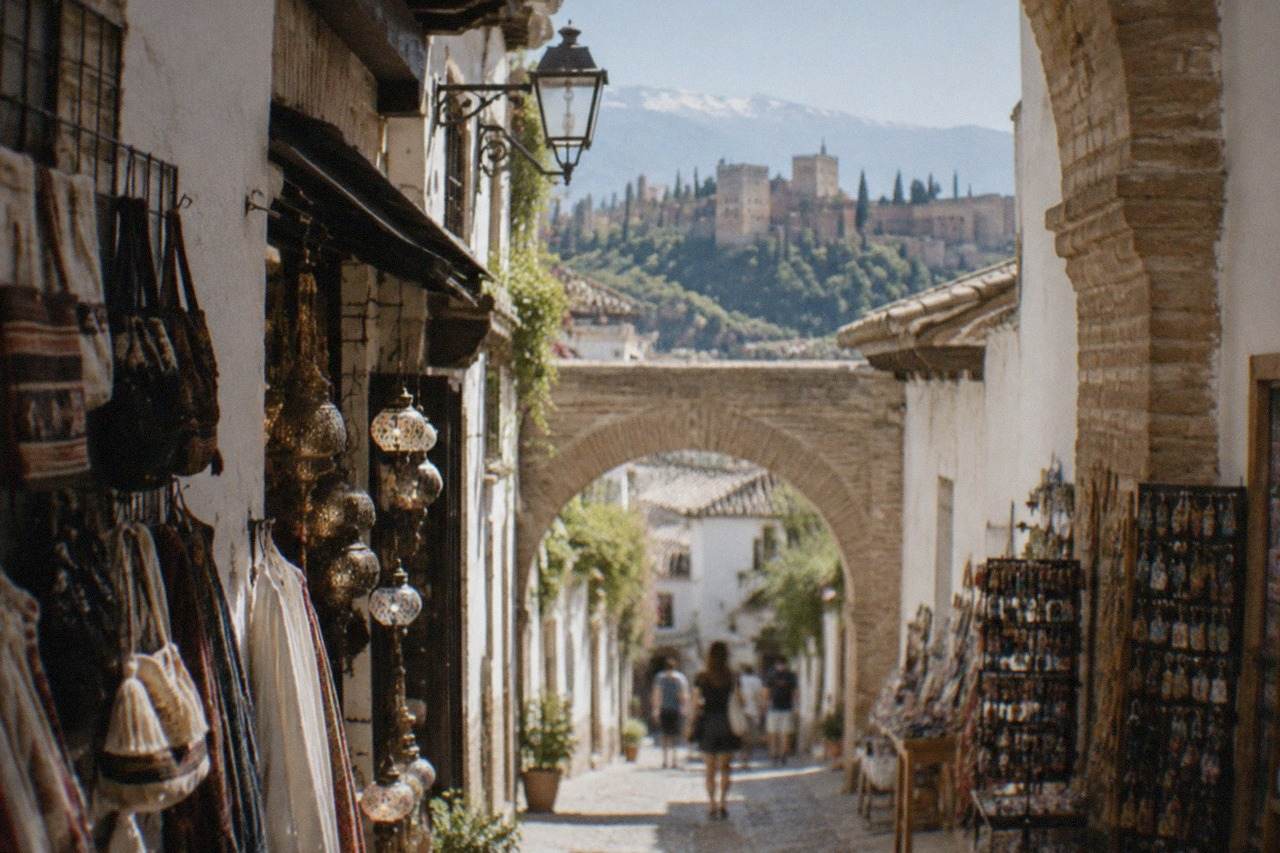
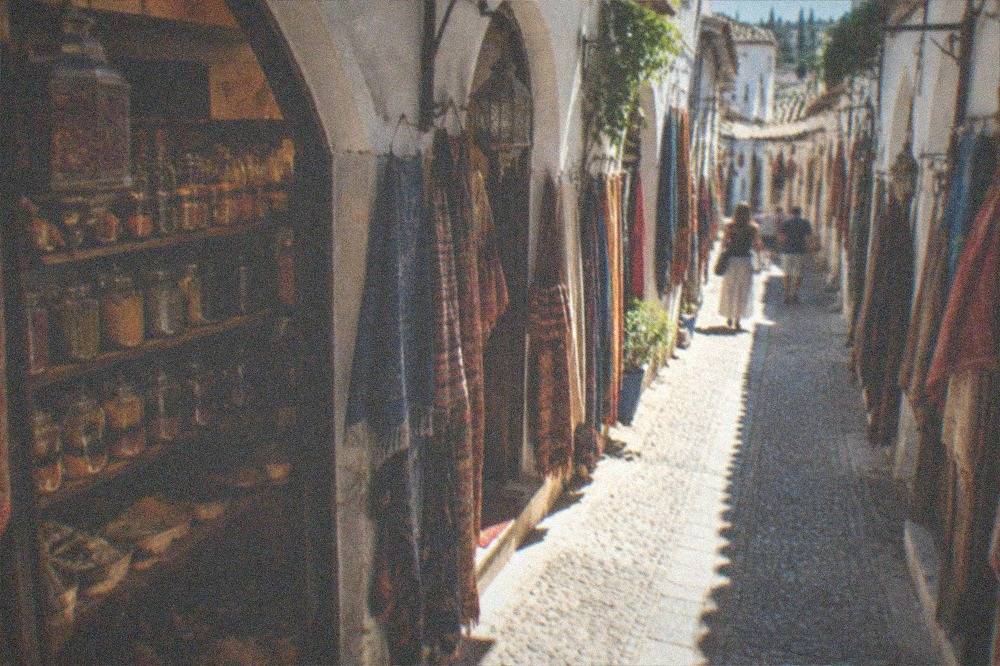
The Alcaiceria is what remains of Granada's great Nasrid silk bazaar: a short, narrow lane of horseshoe arches sitting a few steps from the Cathedral, now filled with lamp shops, spice stalls and souvenir sellers.
Short answer
The Alcaiceria is a reconstructed section of Granada's medieval silk market, located beside the Cathedral in the old town. It is free to wander, takes roughly twenty to thirty minutes at a relaxed pace, and pairs naturally with the Cathedral, the Royal Chapel and the streets leading down toward the Albaicin.
The Alcaiceria is the most concentrated piece of old commercial Granada left in the city centre: a single narrow lane of whitewashed arches where Granada's silk merchants once traded under Nasrid rule. The original bazaar was destroyed by fire, and the arcade standing today is a later rebuild in the same Moorish style, but the footprint and the atmosphere survive. It sits directly beside the Granada Cathedral, which means most visitors walk straight past it without realising they have just crossed one of the city's oldest trading floors. This guide from the Things To Do In Granada editorial desk covers what the Alcaiceria is, what you can buy there, what surrounds it, and how to slot it into a wider Granada itinerary without wasting a morning on it.
What Is The Alcaiceria In Granada?
The Alcaiceria was Granada's official silk market under Nasrid rule, a walled bazaar where merchants traded cloth, spices and precious goods behind gates that closed each night. Only a short reconstructed stretch of the original complex survives today, a narrow lane of horseshoe arches running beside the Cathedral, but it remains the clearest physical reminder of Granada's medieval commercial life. Entry is free, it functions as ordinary shops, and a relaxed walk through takes well under half an hour.
The name itself is the first thing worth understanding. An alcaiceria, in al-Andalus, was not just any market: it was a regulated, gated commercial district, often dedicated to silk, where the authorities controlled weights, quality and trading hours. Granada's version was one of the great silk markets of the Islamic west, supplied by the mulberry groves and workshops of the surrounding countryside. Silk was the city's signature export, and the bazaar that housed its trade occupied a far larger footprint than the little lane that carries the name today.
The original complex did not survive intact. A fire destroyed nearly all of the historic structure, and the present arcade is a rebuild that imitates the Nasrid architectural language: narrow footprint, whitewashed walls, low ceilings and rows of horseshoe arches framing each small shopfront. Purists sometimes dismiss it as a pastiche, and it is true that almost nothing of the medieval fabric remains. But the layout, the scale and the dense, shaded trading atmosphere are faithful to what a visitor in the Nasrid period would have recognised, and for most travellers that is the point.
What the Alcaiceria is not is a museum. There is no ticket, no turnstile and no set route. It is a working shopping street, and the experience depends entirely on what the current shopkeepers stock, which today means a heavy concentration of coloured glass lamps, leather goods, teas, spices and ceramics aimed squarely at visitors. Treat it as a five-minute immersion in the shape of old Granada rather than a destination in itself, and it will not disappoint.
Where Is The Alcaiceria In Granada's Old Town?
The Alcaiceria sits in the heart of Granada's historic centre, immediately beside the Cathedral and a short walk from the Royal Chapel, in the grid of pedestrian streets that makes up the old town. There is no metro station at either the Alcaiceria or the Alhambra: the Metro de Granada runs north to south through the city and does not serve the airport or the hilltop monuments. Visitors arrive on foot, by urban bus, or by taxi.
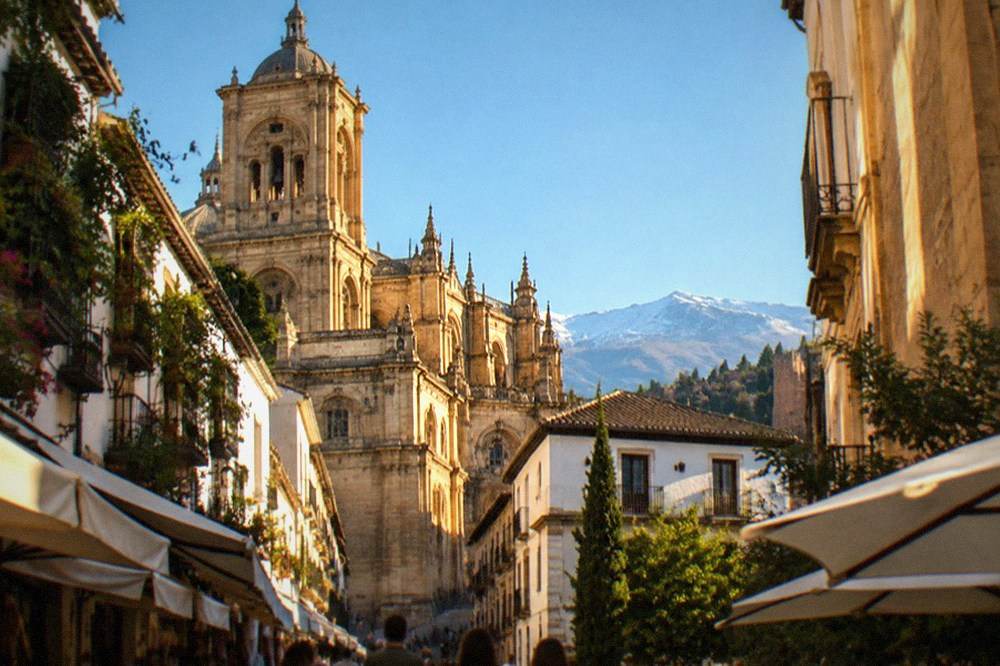
Orientation matters here because the Alcaiceria is small and easy to miss. The lane runs off the open space in front of the Cathedral, and the standard approach is from Calle Reyes Catolicos or from the Plaza de las Pasiegas, the broad square on the Cathedral's main facade. Once you are standing at the Cathedral's front steps, the entrance to the arcade is visible within a couple of streets: look for the low arches and the lamps hanging in the shade.
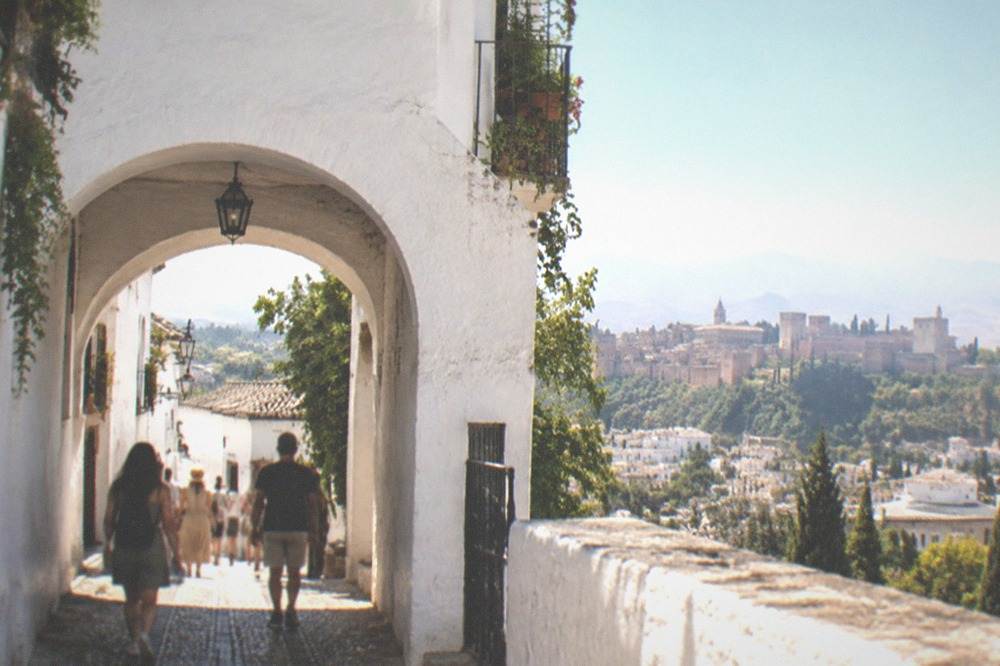
The surrounding quarter rewards a slower loop. The Royal Chapel, where the Catholic Monarchs are buried, is on the same block as the Cathedral and can be combined on the same ticket run. From there, the streets slope gently down toward the Carrera del Darro, the riverside lane that connects the old town to the Albaicin, and up toward the Alhambra hill on the other side. Everything in this article's orbit is walkable; the only real planning question is which direction you walk the loop.
One transport warning is worth repeating because it catches out a surprising number of visitors: the Metro de Granada does not reach the Alhambra, and it does not serve the airport either. The airport connection is the Alsa Linea 245 bus at EUR 3.10 one way, roughly 40 to 45 minutes to the centre, per the regional transport authority's tariff page. The Alhambra is reached by the LAC and C34 hillclimb bus lines, by taxi, or on foot. Nothing about the Alcaiceria itself requires any of this, since it sits in the flat, walkable core, but if the Alcaiceria is one stop on a bigger monument day, the bus advice matters.
What Can You Buy At The Alcaiceria Today?
Today's Alcaiceria is a souvenir and craft market rather than a silk exchange: the dominant stalls sell coloured glass lamps in the Moroccan style, leather bags and slippers, ceramics, teas and loose spices, and small carved or metalwork pieces. Prices are not fixed in the way museum shops work, so compare a couple of stalls before buying, and check whether the glass lamps are wired for Spanish sockets if you intend to use them as lamps.
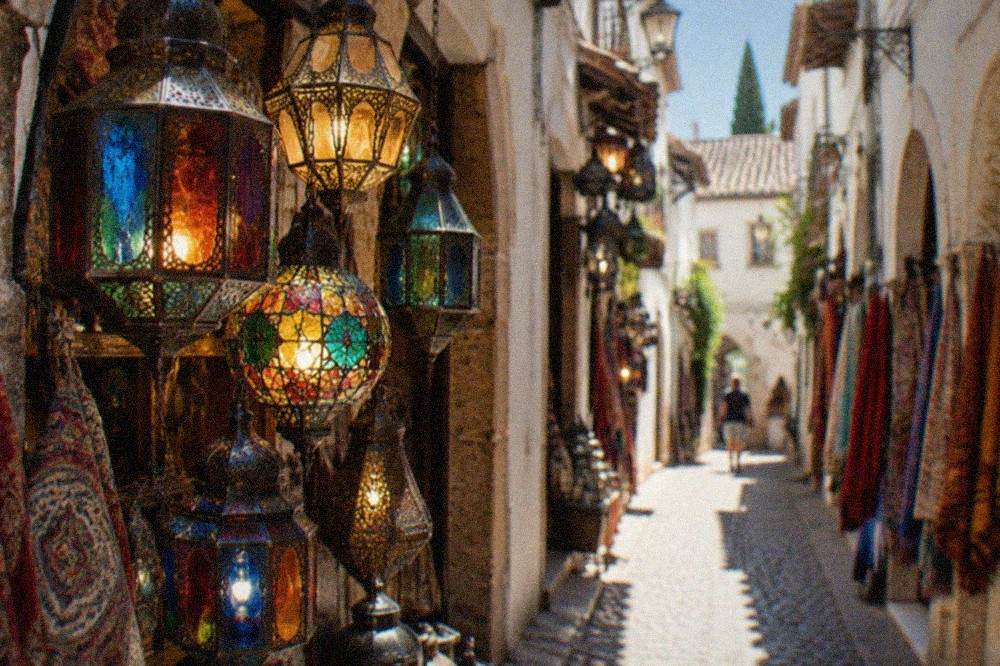
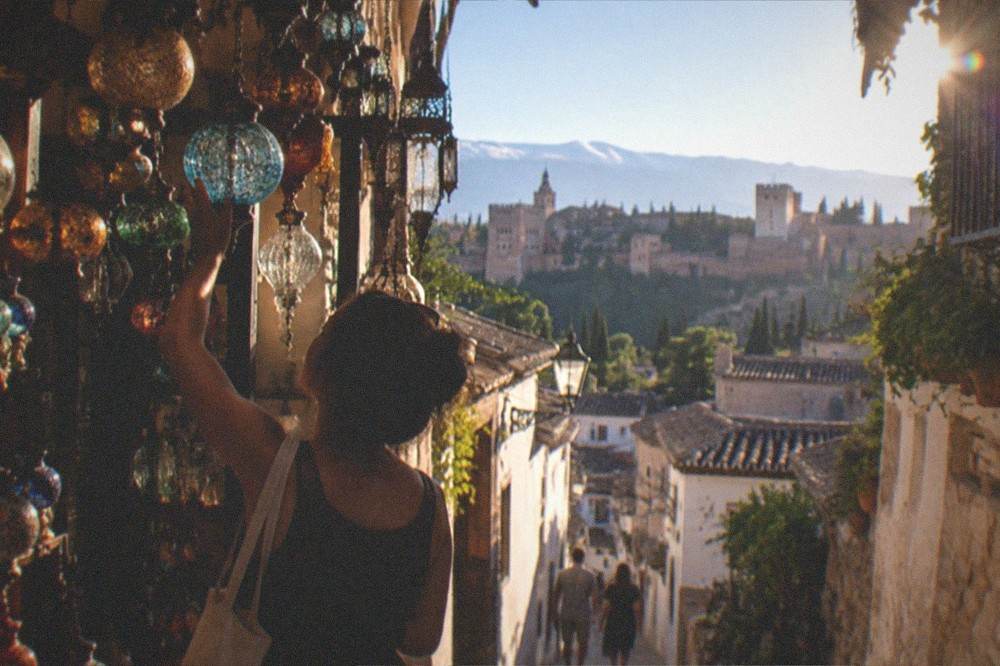
The lamps are the signature purchase and the visual reason the lane photographs so well. Rows of pierced and coloured glass lanterns hang from the arches, and they range from small tea-light holders to chandelier-scale pieces. Practical note for anyone flying home: check the wiring and plug standard before committing to anything electrical, and remember that airline baggage rules, not the shop's packaging, decide whether a glass lantern survives the journey.
Spices and teas are the second cluster. Saffron is the headline product of the region and the one most worth scrutinising, because quality and price vary enormously between stalls. Ceder, loose leaf blends and herbal infusions are stacked in jars along the walls. Leather is the third pillar: bags, belts and the traditional espadrille-style slippers that appear all over Andalusia.
Haggling deserves a word of caution. The Alcaiceria is not a Middle Eastern souk, and hard bargaining over a five-euro item will read as rude. A polite question about a better price for buying two or three pieces is normal; an extended negotiation over small change is not. Payment by card is common but not universal, so carry some cash for the smallest stalls.
For food shopping specifically, the Alcaiceria is the wrong address: Granada's actual produce markets are elsewhere in the city, and the tapas culture that the city is famous for lives in the bars of the old town and the Albaicin, not in this arcade. The free-tapa-with-a-drink tradition remains standard practice in many traditional Granada bars as of 2026, per recent local reporting, though it is a widely upheld custom rather than a guarantee at every venue. Use the Alcaiceria for objects, and the surrounding streets for food.
What Monuments Sit Near The Alcaiceria?
The Alcaiceria's immediate neighbours are the Granada Cathedral, the Royal Chapel, and the network of old-town streets that lead down to the Carrera del Darro, all within the same walkable block cluster. Entry to the Cathedral costs EUR 10 per person during the 2026 Kerygma exhibition, dropping to EUR 7 from 29 November 2026, while the Royal Chapel charges EUR 7 individual and EUR 5 reduced, per the official Christian Granada ticketing site.
Because the whole cluster sits within a few streets of each other, the sensible plan is one combined old-town circuit rather than separate trips. Start at the Cathedral, cut through the Alcaiceria while energy is high, then cross to the Royal Chapel. The official ticketing site for both monuments is the same domain, which means one purchase session can cover both.
| Monument | Individual entry | Reduced | Notes |
|---|---|---|---|
| Granada Cathedral | EUR 10 | EUR 8 | Kerygma exhibition rate, 8 May to 28 Nov 2026 |
| Granada Cathedral | EUR 7 | EUR 5 | Rate from 29 Nov 2026 onward |
| Royal Chapel | EUR 7 | EUR 5 | Students under 25 and other eligible groups |
| Alcaiceria | Free | Free | Shopping lane, no ticketed entry |
The Cathedral's tiered pricing is the detail most visitors miss. The EUR 10 individual rate exists because of the Kerygma exhibition running from 8 May to 28 November 2026; from 29 November 2026 the standard rate drops to EUR 7. If your trip falls in late November, the difference is worth knowing before you queue. Under-12s enter free at both monuments.
Beyond the church cluster, the walk downhill delivers you to the Carrera del Darro, the riverside lane under the Alhambra that most visitors rank among the city's most beautiful streets, and to El Banuelo, one of the surviving Andalusi bathhouses. The Alhambra itself looms above the whole district, and that is where the planning gets serious.
How Does The Alcaiceria Fit Into A Granada Itinerary?
The Alcaiceria works best as a short stop inside a half-day old-town circuit rather than a standalone trip: pair it with the Cathedral and Royal Chapel in the late afternoon, or slot it between an Alhambra morning and an Albaicin sunset. Most one-day and two-day Granada itineraries place it beside the Cathedral block, and twenty to thirty minutes on site is enough for a proper look plus one purchase.
The classic sequence for a first visit to Granada runs Alhambra in the morning, old town and Cathedral block in the early afternoon, then the Albaicin and the Mirador de San Nicolas at sunset. The Alcaiceria drops neatly into the middle slot because it sits on the walking line between the Cathedral and everything downhill. The one-day itinerary and two-day itinerary pages lay out the full sequences with timings.
There is one hard constraint that dictates the order of any Alhambra day: tickets. The General ticket, EUR 22.27 on the live official pages, covers the Nasrid Palaces, the Alcazaba and the Generalife, and the Nasrid Palaces entry is a strictly enforced half-hour timed slot printed on your nominative ticket, with photo ID checked at the door. Daily capacity runs around 6,600 to 7,000 visitors, with the Palaces capped at roughly 300 people per slot, and online sales close the night before. So the Alhambra gets booked first, months ahead if possible, and the Alcaiceria gets whatever gap remains.
| Alhambra ticket type | Official price | What it covers |
|---|---|---|
| General (day) | EUR 22.27 | Nasrid Palaces, Alcazaba, Generalife |
| Gardens, Generalife and Alcazaba (day) | EUR 12.73 | Everything except the Nasrid Palaces |
| Night visit, Nasrid Palaces | EUR 12.73 | Evening Palaces entry only |
| Night visit, Gardens and Generalife | EUR 8.48 | Evening gardens circuit |
| Dobla de Oro General | EUR 30.48 | Alhambra plus Andalusi monuments |
A note on those Alhambra figures: a July 2025 press release announced lower prices effective 1 August 2025, but the live official ticket pages continue to show the higher figures above, so the Patronato's own ticket page is the only price worth trusting at booking time. Under-12s enter free but still need a ticket for entry control.
If the day-trip itch strikes instead, the Alcaiceria's central position makes it a natural last stop before a long day out: the day trips from Granada hub covers Cordoba, Seville, Ronda, the Alpujarras and the coast, all of which depart from stations within walking distance of the old town.
What Is The Best Month To Visit Granada For The Alcaiceria?
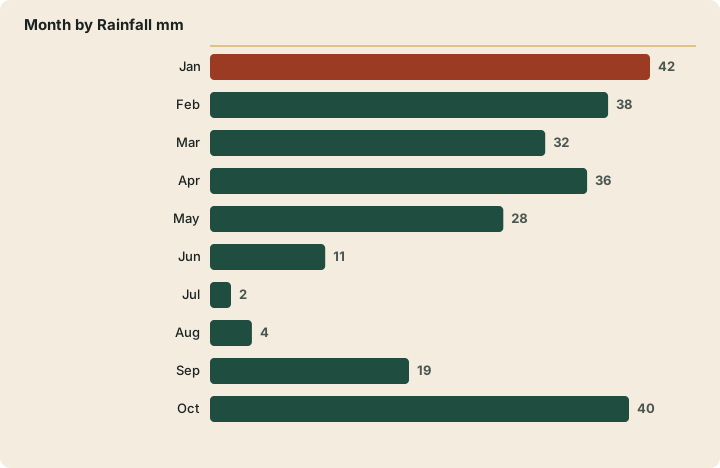
The best months for combining the Alcaiceria with the rest of Granada are April, May, September and October, when AEMET's climate normals show average highs of 20.6 to 25.0 degrees in spring and 23.2 to 29.4 in early autumn, with modest rainfall. July and August average 34.8 and 34.2 degrees, hot for the walk to the Alhambra, while January nights drop to an average low of 0.0 degrees.
The Alcaiceria itself is under cover and shaded, so it tolerates any weather, but the reason to come to Granada is the whole circuit: the Alhambra hill, the Albaicin lanes, the riverside walk. Those are outdoor experiences, and the climate table should drive the calendar. AEMET's normals for the Granada Aeropuerto station, covering the 1981 to 2010 period, give the full picture.
| Month | Avg high C | Avg low C | Rainfall mm |
|---|---|---|---|
| Jan | 13.0 | 0.0 | 42 |
| Feb | 15.4 | 1.6 | 38 |
| Mar | 19.0 | 3.8 | 32 |
| Apr | 20.6 | 6.0 | 36 |
| May | 25.0 | 9.4 | 28 |
| Jun | 31.0 | 13.6 | 11 |
| Jul | 34.8 | 15.7 | 2 |
| Aug | 34.2 | 15.5 | 4 |
| Sep | 29.4 | 12.8 | 19 |
| Oct | 23.2 | 8.7 | 40 |
| Nov | 17.0 | 4.2 | 54 |
| Dec | 13.4 | 1.7 | 56 |
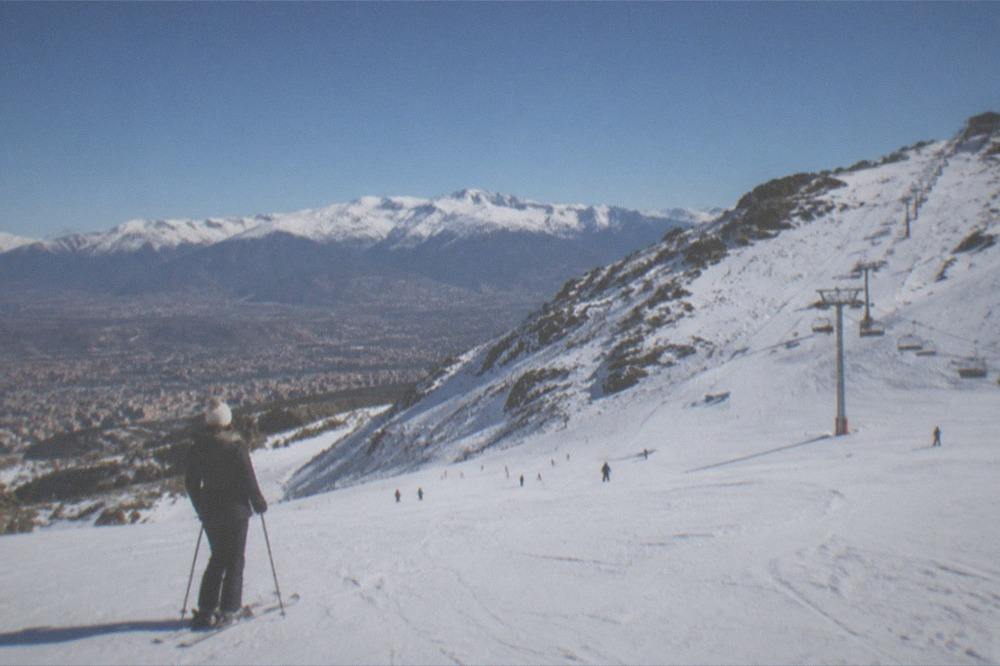
Two seasonal notes follow from that table. First, winter brings the postcard version of Granada: snow sits visibly on the Sierra Nevada from the city between the cold months, which is the classic view from the Mirador de San Nicolas. Second, the shoulder months carry the sell-out risk for the Alhambra, because spring and autumn are exactly when the General ticket sells out one to two months or more ahead. If the Alcaiceria is part of a bigger Alhambra trip in April, May, September or October, book the Alhambra first and let the rest of the itinerary fall into place around it.
Festival dates can sweeten the timing. Semana Santa runs roughly 29 March to 5 April in 2026, Cruces de Mayo falls on 1 to 3 May 2026, and the Corpus Christi fair occupies late May to early June 2026. All three fill the old town around the Alcaiceria with processions and crowds, which is either the point or the problem, depending on your tolerance for company.
Which Tours And Experiences Pair Well With The Alcaiceria?
The strongest pairings for an Alcaiceria visit are an Alhambra ticket product for the monument itself, an Albaicin and Sacromonte walking tour for the hillside districts downhill, and a hammam session for the late afternoon when the sightseeing is done. The Granada Card, from EUR 50 to EUR 60 depending on tier, bundles the Alhambra with the Cathedral, the Royal Chapel and other monuments, and can beat buying every entry separately for a packed two or three days.
The logic is simple: the Alcaiceria is a free, quick, central stop, so it attaches to whatever bigger plan you already have. The roster below shows the products that sit closest to it, with the operator's live listing carrying the current price and availability.
| Experience | From (per person) | Rating | Duration |
|---|---|---|---|
| Alhambra and Nasrid Palaces Ticket with Audioguide | $48 | 3.8 from 809 reviews | 3 hours |
| Albaicin and Sacromonte Exclusive Walk | $80.13 | 4.6 from 9 reviews | 2h30m |
| Arabian Baths at Hammam Al Andalus | $97.55 | 4.4 from 704 reviews | 1h30m |
| Granada Tapas and Wine Small Group Tour | $78 | 4.9 from 933 reviews | 3h30m |
| Albaicin and Sacromonte Guided Sunset Walk | $17 | 4.9 from 3,533 reviews | 2.5 hours |
The Granada Card deserves its own arithmetic before you buy anything on that list. Since 13 November 2025 the tiers run at EUR 60 for 72 hours, EUR 55 for 48 hours, EUR 50 for the 24-hour night-Palaces variant and EUR 50 for the Jardines variant, with children aged 3 to 11 at EUR 13. Depending on tier it includes the Alhambra, the Cathedral, the Royal Chapel, the Science Park, a set of Albaicin monuments and transport credits. The Alhambra portion cannot be split across days once activated, so the card only pays off if the monument list matches your actual plan.
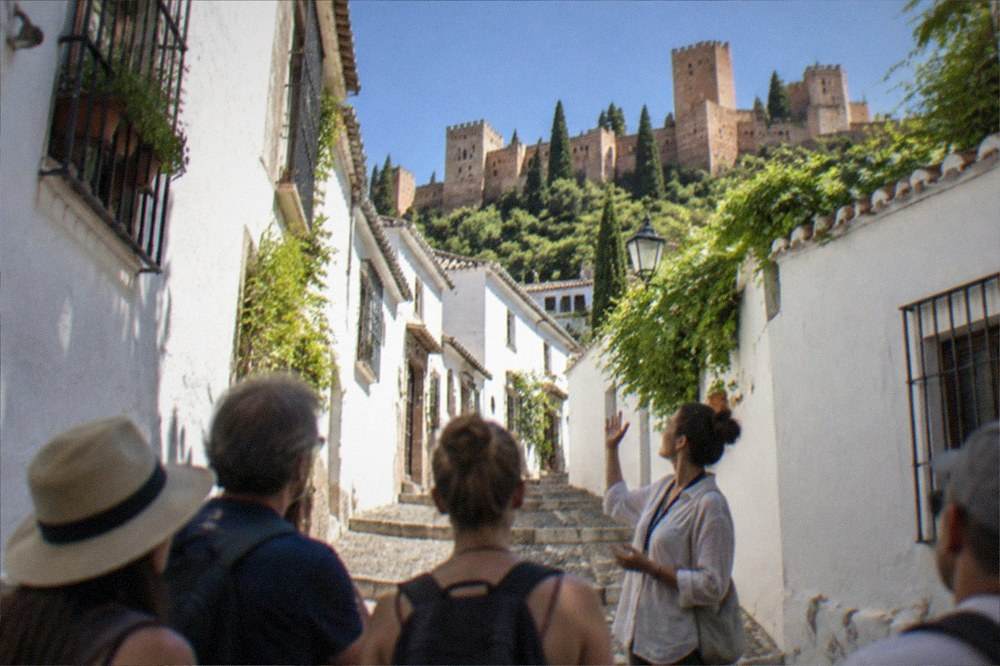
For the walking side, the Albaicin and Sacromonte districts are where Granada's hillside character lives, and a guided walk explains the cave houses, the flamenco heritage and the viewpoints in a way that solo wandering does not. GuruWalk runs a free, tip-based Albaicin and Sacromonte tour rated 4.99 from 913 reviews, and the free-walk model means you pay the guide what you think the walk was worth at the end rather than a fixed price. The Sacromonte area pages cover the same ground for independent walkers.
Is The Alcaiceria Worth Visiting With Limited Time?
The Alcaiceria is worth a short visit on almost any Granada trip because it costs nothing, sits directly on the Cathedral walking route, and delivers the atmosphere of a Nasrid bazaar in under half an hour. It is not worth restructuring a day around, and visitors with only one day in Granada should treat it as a five-to-ten-minute detour between the Cathedral and the streets downhill, not as a destination.
For a single-day visitor, the priority order is settled: the Alhambra first, because it sells out; the Cathedral and Royal Chapel block second, because they cluster together; the Albaicin and Mirador de San Nicolas third, because sunset there is the free highlight of the city. The Alcaiceria slots into the second slot without adding any walking distance, which is exactly why it survives on tight itineraries.
For slower travellers, the arcade rewards a second pass. Early in a stay it calibrates prices for the souvenir hunt; at the end of the trip it is where you actually buy the lamp or the saffron, once you know whether the suitcase can take it. The Sacromonte cave museum and the Hammam Al Andalus monument pages cover two deeper experiences in the same orbit for anyone with a third day.
Families get on well here precisely because the stop is short and shaded. The lane's visual density, lamps, colours and arches, holds children's attention in a way a cathedral nave does not, and there is nothing fragile roped off at waist height. The granada-with-kids planning question is mostly a question of pacing, and a free twenty-minute arcade between ticketed monuments is the ideal spacer.
A hammam session is also the natural way to end any heavy walking day in Granada, and it pairs especially well with the Alcaiceria because the two stops sit on the same central circuit: browse the bazaar in the late afternoon, then let the baths do the recovery work before dinner. Whichever combination you choose, the operator's live listing carries the current price, availability and cancellation terms, so check it before locking the rest of the day in place.
Common Questions About The Alcaiceria
Is the Alcaiceria free to visit?
Yes. The Alcaiceria is a public shopping lane with no ticket, no gate and no set hours of paid entry; you simply walk in and browse. The shops inside set their own opening times, so an early-morning or late-evening arrival may find stalls closed even though the lane itself is always passable.
How long does a visit to the Alcaiceria take?
Most visitors spend between ten and thirty minutes. The lane itself is short, and the time is spent browsing the lamp, spice and leather stalls rather than covering distance. Allow closer to half an hour if you plan to comparison shop or buy something fragile that needs packing discussion.
Is the Alcaiceria the original Nasrid bazaar?
Only in footprint and position. The original walled silk market was destroyed by fire, and the present arcade is a later rebuild in the same Moorish style on part of the old site. The lane gives an accurate impression of the scale and atmosphere of a gated al-Andalus bazaar, but almost none of the medieval structure survives.
What is the best souvenir to buy at the Alcaiceria?
The pierced and coloured glass lamps are the signature purchase, followed by regional saffron, loose teas and leather goods. Check the wiring standard on anything electrical before buying, and compare two or three stalls before committing, since stock and prices vary noticeably along the lane.
Can you combine the Alcaiceria with the Cathedral and Royal Chapel?
Yes, and that is the standard plan. All three sit on the same block in the old town. The Cathedral charges EUR 10 per adult during the Kerygma exhibition, which runs to 28 November 2026, then EUR 7; the Royal Chapel charges EUR 7 individual and EUR 5 reduced; the Alcaiceria is free, which makes it the natural filler between the two ticketed stops.
Is the Alcaiceria open on Sundays and holidays?
The lane itself is always open, but individual shops keep their own schedules and some close on Sundays and public holidays, as is common across Granada's old town. The surrounding monuments have their own calendars too: the Cathedral restricts cultural-visit hours on Sundays, and the Royal Chapel closes on Good Friday, 25 December and 1 January. Check ahead on holiday dates.
The Alcaiceria will never be the reason you came to Granada, and that is fine: it is the lane you pass through on the way to the Cathedral, and the place where the city's silk-trading past is easiest to picture. Walk it slowly once, buy the lamp if the suitcase allows, and spend the hours you saved on the Alhambra hill or a sunset over the Albaicin.