Is It Safe For Americans To Travel To Granada?
A plain-English safety answer for American travelers heading to Granada, Spain: crime levels, neighborhoods, transport, health care and practical precautions.
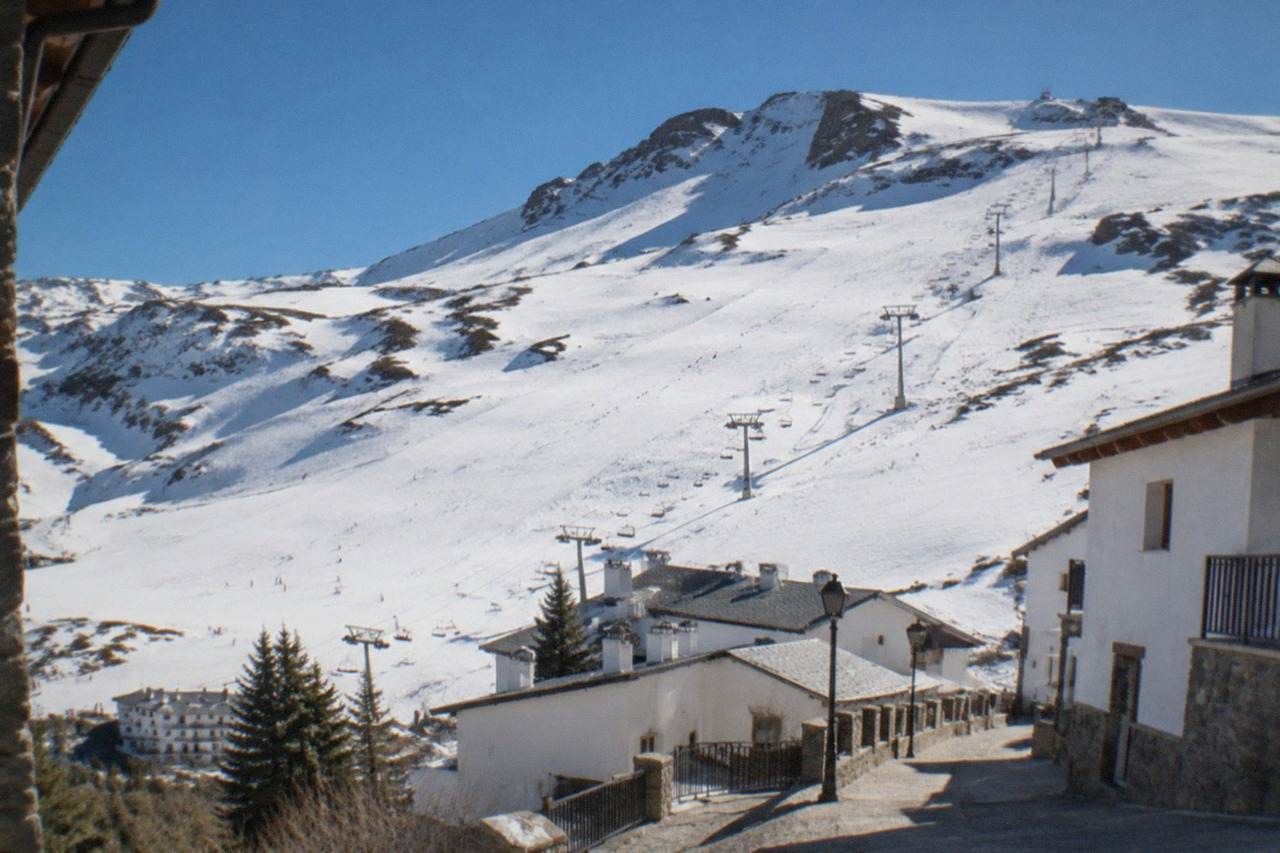
Granada received 2,726,861 visitors at the Alhambra alone in 2025, according to the Patronato de la Alhambra y Generalife's annual report, and the city that hosts them is a mid-sized Andalusian provincial capital rather than a metropolis. Americans arrive here in steady numbers, mostly via Madrid or Malaga, and the safety questions they ask are the sensible ones: is the old town safe after dark, is anything targeting tourists, and what happens if something goes wrong. The short version is that Granada's problems are the same ones found across southern Spain, opportunistic pickpocketing in crowded spots, and they are managed with ordinary precautions rather than anxiety. Things To Do In Granada covers the city's attractions elsewhere on this site; this page deals only with the safety picture.
Is It Safe For Americans To Travel To Granada?
Yes, Granada is safe for American travelers, and no advisory singles it out as a risk destination. Spain as a whole carries no elevated travel warning for US citizens, and Granada is a small, walkable city whose recorded crime against visitors is overwhelmingly petty theft, bags lifted in crowds, rather than violence. The practical risks are pickpockets at the Alhambra gates and on Carrera del Darro, summer heat above 34C, and steep cobbled streets, not anything directed at Americans specifically.
There is no anti-American dimension to street crime here. Thieves in Granada target whoever looks distracted, phone on a café table, backpack unzipped on the LAC bus, wallet in back pocket on the Carrera del Darro. The US State Department's standard guidance for Spain covers the whole country, and its advice for Barcelona and Madrid, watch valuables on public transport and in tourist crowds, is exactly what applies in Granada, at a lower volume because the city is smaller.
The things that actually send visitors to trouble in Granada are mundane. Twisted ankles on the Albaicin's cobbled slopes, dehydration on a July afternoon when AEMET's normals put the average high at 34.8C, and missed Alhambra slots because the ticket is nominative and the Nasrid Palaces entry window is strictly enforced. None of these are crime, but all of them can wreck a trip faster than a pickpocket. A missed Nasrid Palaces window is not refundable and not reschedulable on the day, so treat the half-hour slot printed on the ticket as the single most important appointment of the trip.
What Are The Main Safety Risks For Americans In Granada?
The main risks are petty theft in tourist zones, heat exhaustion in July and August, and uneven footing on steep medieval streets, in roughly that order. Pickpocketing clusters around the Alhambra access points, Carrera del Darro, the Cathedral area and crowded buses, and it is opportunistic rather than targeted. Violent crime against visitors is rare enough that it is not a planning factor, and the standard precautions that work in any European city work here.
Concretely: keep the phone off the table at terrace bars, carry a day's cash rather than a wallet full, and use the hotel safe for passports once you have checked in. The free-tapa bar scene in Granada, where a drink order typically comes with a complimentary small plate in many traditional bars, puts you in dense, standing-room rooms late at night, which is exactly the environment where bags get lifted. A zipped crossbody bag solves most of it, and a hand on the bag in the thickest crowds solves most of the rest.
Heat deserves more respect than most Americans give it. AEMET's climate normals for Granada Aeropuerto show July averaging a high of 34.8C with just 2mm of rain, and August 34.2C, and the Alhambra's summer day hours run to 20:00, which means a lot of midday walking on unshaded stone. Water, a hat and shifting the heavy sightseeing to morning are the real safety measures. The Generalife's gardens offer the only meaningful shade inside the Alhambra complex, so structure the visit so the gardens fall in the hottest hours rather than the palaces.
Is The Albaicin Safe At Night?
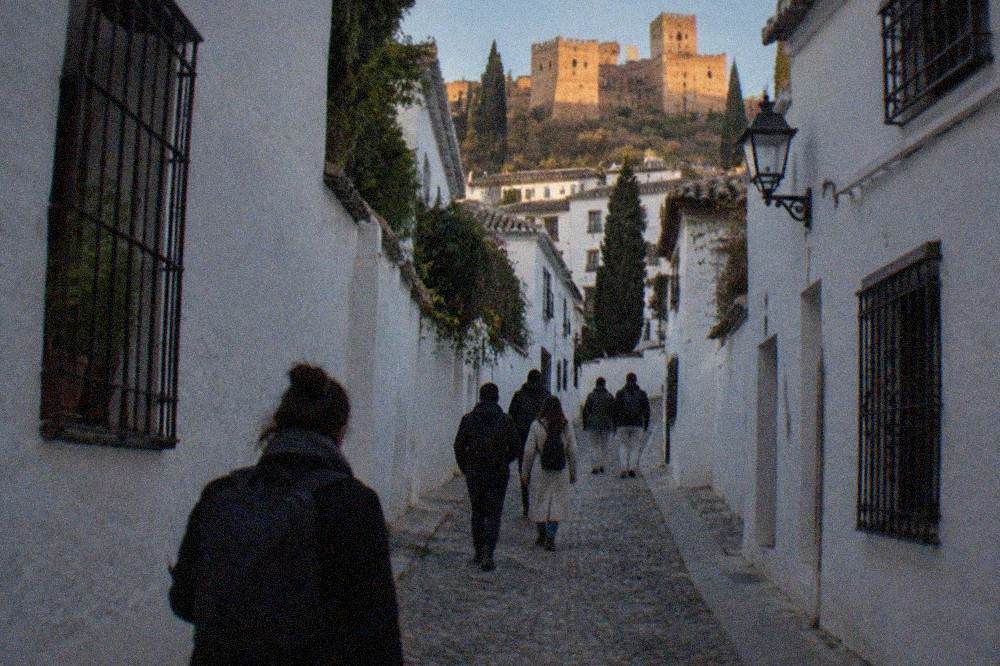
The Albaicin, Granada's hillside Moorish quarter, is generally safe at night in its inhabited central lanes, and the Mirador de San Nicolas viewpoint stays busy with visitors until late. The caveats are real though: the quarter is a maze of steep, dim alleys, the empty lanes above the mirador feel different from the busy plaza below it, and the walk down to the city center involves unlit steps that deserve a phone torch and decent shoes.
Theft risk in the Albaicin is low because there are few crowds, but the geography is the hazard. A wrong turn at night puts you on a staircase you did not plan, and the hill from the Darro river up to San Nicolas is a genuine climb. Taxis are cheap and the practical answer after dark for anyone unsure of the route. This site carries a fuller treatment of the question on Is the Albaicin safe at night?, and the general picture is on the Granada safety guide page.
Sacromonte, the cave district east of the Albaicin, works on the same logic. Its flamenco venues draw steady evening traffic along the Camino del Sacromonte, and that road is fine; the empty side paths above it are where the "is it safe" feeling comes from, more from isolation than from any recorded problem. Book a cave show, walk the main road there, and take a taxi back, and the district gives you its best face.
Do Americans Need Any Special Documents Or Health Precautions For Granada?
Americans need a valid passport and no visa for short tourist stays within the Schengen area's standard limits, though travelers should confirm the current entry requirements, including any pre-travel authorization scheme, with official sources before flying. No vaccinations are required, Spain's tap water is potable, and the European Health Insurance Card does not apply to Americans, so travel medical insurance is the one genuinely important document beyond the passport.
Granada's health infrastructure is solid. The city is a regional medical center, and a pharmacy, farmacia, with an illuminated green cross is never far away in the center. The pan-European emergency number works for ambulance, police and fire across Spain, and operators can route English speakers. For non-emergencies, the practical sequence for an American visitor is pharmacy first, then a private clinic, then the hospital emergency department, with the travel insurer's helpline called early, since insurers often direct you to a specific clinic and pre-approve the bill.
The everyday health issues are predictable: sunburn, blisters from the cobbles, and stomach trouble is uncommon because tap water and restaurant hygiene are both good. The one medication note worth flagging is that Spanish pharmacies sell many US prescription drugs only with a local prescription, so Americans should bring their own supply in original packaging with a copy of the prescription. Anyone with a chronic condition should also carry a brief written summary of it, in English or Spanish, because it speeds up any clinic visit enormously.
Which Granada Neighbourhoods Are Best For A First Visit?
The safest and most convenient bases for a first visit are the old town around the Cathedral and Plaza Nueva, and the Realejo on the Alhambra's western slope, both central, well-lit and busy until late. The Albaicin is atmospheric but demands hill fitness and route awareness at night, and Sacromonte's cave accommodations suit travelers who accept isolation for character. None of these areas is dangerous; the differences are convenience, noise and terrain.
For area-by-area detail, including where first-timers should book, see what area of Granada is best to stay in. The short safety-relevant summary is in the table below.
| Area | Character | Night profile | Practical note |
|---|---|---|---|
| Old town / Plaza Nueva | Flat, central, busiest | Lit and active until late | Best pickpocket vigilance zone |
| Realejo | Residential, sloped | Quiet but central | Short walk to Alhambra access |
| Albaicin | Hillside, cobbled | Busy near San Nicolas, quiet lanes above | Taxi recommended after dark |
| Sacromonte | Cave district, isolated edges | Active along the flamenco road only | Stay on Camino del Sacromonte |
Transport is low-risk by US standards. The metro runs north-south through the city at roughly EUR 0.49 per trip with a reloadable card, urban buses are safe but crowded at Alhambra-adjacent stops, and the direct AVE from Madrid takes roughly 3h20-3h35 at indicative advance fares of EUR 29-35, a range sourced from ticket-comparison sites and worth re-verifying at booking time. None of these involve the safety considerations Americans associate with big-city transit elsewhere. The one transport mistake worth naming is assuming the metro reaches the Alhambra or the airport, it reaches neither, and the hillclimb bus or a taxi is the answer from the city center.
Common Questions About Travel Safety In Granada
Is it safe for Americans to travel to Granada?
Yes. Granada carries no specific travel advisory, its recorded crime against visitors is overwhelmingly petty theft, and standard European-city precautions cover the realistic risks.
Is Granada safe to walk around at night?
The central old town, Plaza Nueva, Calle Navas and the Realejo are busy and well-lit until late. The Albaicin's main lanes to Mirador de San Nicolas stay active; its empty upper alleys are better handled by taxi.
Are there areas to avoid in Granada?
No area is dangerous in the sense Americans usually mean. The adjustment is terrain and isolation: unlit steps in the Albaicin and empty paths above Sacromonte, not crime zones.
Can Americans drink the tap water in Granada?
Yes, tap water is potable throughout Granada. Most visitors still order bottled water at bars, but that is preference, not safety.
What number do Americans call in an emergency in Granada?
The pan-European emergency number works across Spain for police, ambulance and fire, and it routes English speakers. Travel insurers' own helplines are the first call for anything non-life-threatening.
The honest summary for an American planning this trip: book the Alhambra early, because General tickets sell out one to two months ahead in peak season and online sales close at 23:59 the day before, guard the phone at terrace bars, and treat the July heat as the most likely thing to spoil a day. The city itself will not.
Guided visits solve the Alhambra's two real pain points at once, since a tour with tickets bundled removes both the sell-out risk and the timed-slot confusion on the hill. For everything else, from the free-tapa custom to the best month for mild weather, the why is Granada so famous and how many days in Granada is enough pages carry the planning detail, and none of it requires more caution than any busy European tourist city deserves.
Whichever way the visit is assembled, the safety bottom line stays the same: Granada rewards ordinary street sense, a charged phone, water in July, and a taxi budget for the hillside nights, and it asks nothing more of American visitors than that.