What Else To Do In Granada Other Than Alhambra?
Granada beyond the Alhambra: the Albaicin, Sacromonte flamenco caves, tapas culture, hammams, Cathedral and Royal Chapel, and day trips into the Alpujarras and Sierra Nevada.
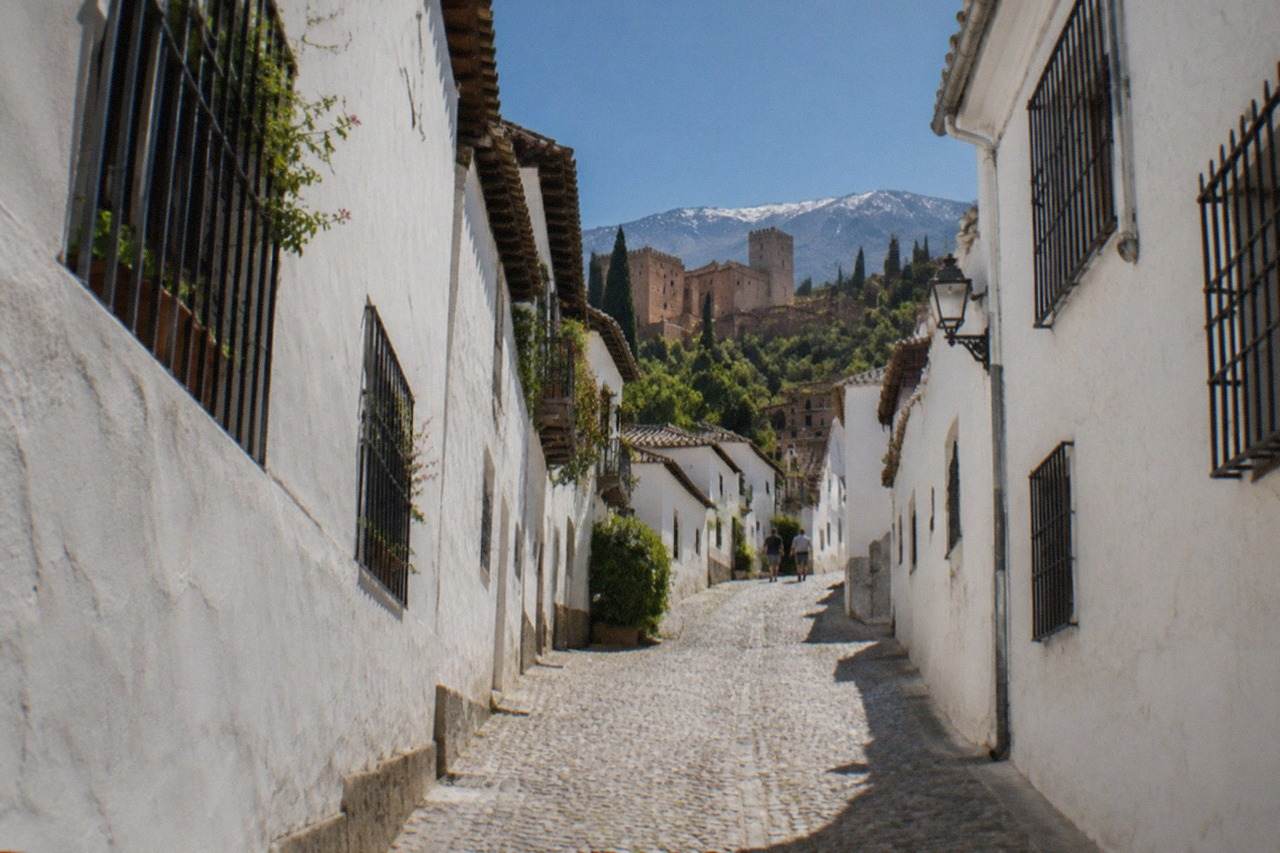
The Alhambra pulled in 2,726,861 visitors in 2025, close to the Patronato's own annual capacity ceiling of roughly 2.763 million, and most of those people spent the rest of their trip wondering what else the city offers. The answer is a lot. The Albaicin quarter across the river is part of the same UNESCO World Heritage listing as the palace itself, inscribed in 1984 and extended in 1994, and it costs nothing to wander. Sacromonte puts flamenco in candlelit caves. A drink in many traditional bars still arrives with a complimentary tapa. This page lays out the rest of Granada: the neighbourhoods, the shows, the food, the baths and the mountain day trips that fill the days between, before and after a palace visit.
What Else To Do In Granada Other Than Alhambra?
The strongest alternatives are the Albaicin and Sacromonte hill quarters, a cave flamenco show in Sacromonte, the Cathedral and Royal Chapel in the old town, an Arabian bath session, a tapas crawl through the centre, and a day trip to the Alpujarras, Sierra Nevada or the coast at Nerja and Frigiliana. Each one is bookable or walk-in, and together they comfortably fill three or four days without setting foot inside the palace walls.
That list is not filler. The Albaicin is the mirror image of the Alhambra: a medieval Moorish street plan on the opposite hill, inscribed as part of the same UNESCO listing in 1994, best understood from the Mirador de San Nicolas at sunset when the palace catches the last light. Sacromonte is the cave quarter east of it, where gitano families turned whitewashed cave homes into the cradle of Granada's zambras, the flamenco form born here rather than imported from Seville. Down in the flat centre, the Cathedral charges EUR 10 during the 2026 Kerygma exhibition (8 May to 28 Nov 2026) and EUR 7 after 29 Nov 2026, and the neighbouring Royal Chapel holds the tombs of the Catholic Monarchs for EUR 7.
The practical point is timing. The Alhambra's General ticket sells out one to two months or more ahead in peak season, so many travellers book the palace first and then discover the rest of the city is not a consolation prize. It is the reason a lot of visitors give Granada four days rather than two. The three days in Granada itinerary on this site builds exactly that kind of trip, and the sections below break the alternatives down by type.
What Are The Best Neighbourhoods To Explore In Granada?
The three neighbourhoods that reward aimless wandering are the Albaicin, Granada's best-preserved Moorish hill quarter with the Mirador de San Nicolas viewpoint; Sacromonte, the cave district east of it where flamenco still lives in the rock; and the Realejo, the old Jewish quarter below the Alhambra, now a street-art and tapas pocket closest to the palace entrance. All three sit within a 30-minute walk of the city centre.
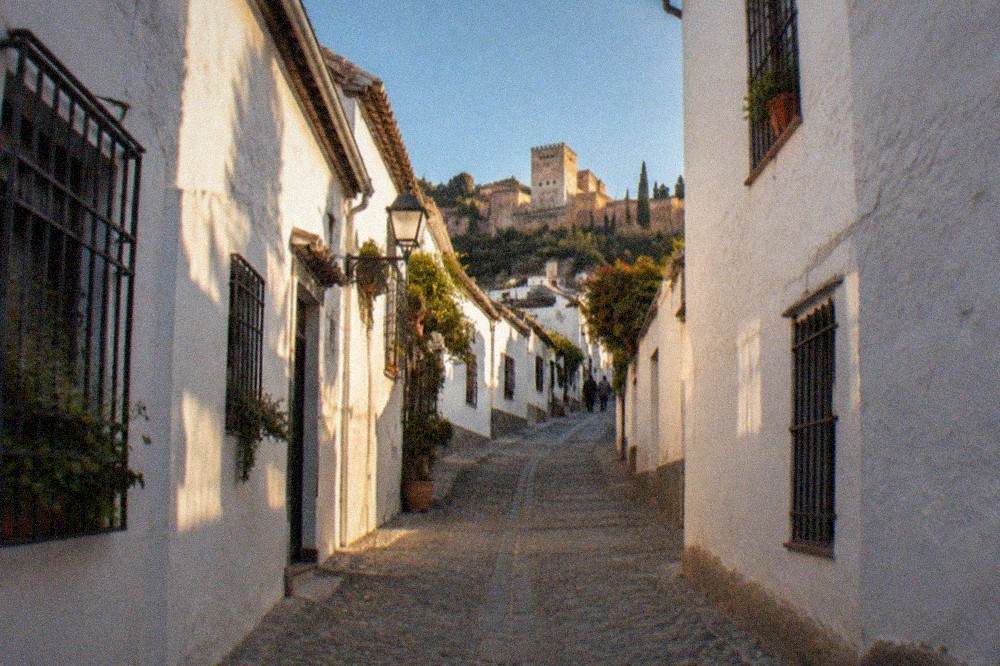
The Albaicin works best first thing in the morning or at sunset. Its lanes, cármenes (walled gardens with houses) and dead-end alleys follow a street plan that predates the Catholic conquest of the city, and the views back across the valley to the Alhambra are the shot most people associate with the city. The Mirador de San Nicolas is the classic vantage point, crowded at dusk but still the place where the whole palace complex lines up against the Sierra Nevada behind it. A detailed Albaicin guide covers the individual monuments, including El Banuelo, one of the oldest surviving Arab baths in Spain.
Sacromonte climbs the next valley east. Cave houses are cut directly into the soft hillside, some still lived in, some converted into flamenco venues and the Sacromonte Cave Museum. The Realejo is the quieter third: murals, small squares, and the Campo del Principe, plus the practical advantage of being the base for walking up to the Alhambra through the Puerta de las Granadas. For a structured introduction rather than self-guiding, a guided walk that stitches all three quarters together in one outing is one of the most efficient first-day moves.
Where Can You See Flamenco, Views And Baths In Granada?
Flamenco happens nightly in the Sacromonte caves, with shows from around USD 28-35 per person; the classic viewpoints are the Mirador de San Nicolas and the Camino del Sacromonte ridge; and the two main hammam experiences are the Hammam Al Andalus and the Palacio Nazari hammam, with sessions from USD 51 at the Palacio Nazari and USD 97.55 at the Hammam Al Andalus. All three can be booked the same week, unlike Alhambra tickets.
Flamenco in Granada has its own form. The zambra, a festive cave performance with roots in Sacromonte's gitano weddings, is recognised as distinct from the Seville tablao style, and the cave venues along the Camino del Sacromonte are where it survives. Shows typically run 60 to 90 minutes, often with a drink included, and the two most bookable options are a cave-restaurant show and the Los Amayas cave performance in Sacromonte. The question of which flamenco show is best in Granada gets a fuller treatment elsewhere on this site, but the short version: a cave in Sacromonte is the Granada answer, a theatre is the Seville answer.
The hammam tradition is the other direct inheritance from the city's Moorish centuries. The Hammam Al Andalus sits on the site of a medieval bath by the Puerta de las Granadas, and sessions run about 90 minutes with hot, warm and cold pools plus a massage option. The Palacio Nazari hammam is the newer alternative. Neither needs booking months ahead, though weekend slots do fill. Other pages covering the same trip are gathered on Things To Do In Granada.
| Experience | Typical price | Duration | Booking pressure |
|---|---|---|---|
| Cave flamenco show, Sacromonte | from USD 28-35 | 1-1.5 hours | Days, not months |
| Hammam Al Andalus bath session | from USD 97.55 | 1h30m | Book a few days ahead |
| Palacio Nazari hammam session | from USD 51 | 90 minutes | Book a few days ahead |
| Albaicin and Sacromonte guided walk | from USD 17-50 | 2.5 hours | Same week usually fine |
| Alhambra General ticket (official) | EUR 22.27 | Half day | Sells out 1-2+ months ahead |
The comparison row is deliberate. The palace is the one item in Granada that punishes late planners; almost everything else on this page rewards them.
What Food, Day Trips And Views Fill The Rest Of A Granada Trip?
Granada's food culture runs on free tapas with drinks in many traditional bars, a custom still widely upheld in 2026 though not a legal guarantee, plus a tapas-and-wine small group tour from USD 78; day trips reach the Alpujarras mountain villages, Sierra Nevada hiking, and the coastal pair of Nerja and Frigiliana, all within two hours of the city. The tapas custom alone can structure an entire evening.
The tapas tradition is the city's signature. Order a drink in many traditional bars and a small plate arrives with it, often scaling up with successive rounds. July 2026 reporting confirms the custom remains part of local identity, but it is not universal: some venues have adjusted portions or drink pricing, so treat it as the norm in traditional bars rather than a guarantee everywhere. The practical strategy is to move: one bar, one drink, one tapa, then walk three streets and repeat. The free tapas in Granada guide maps the streets where the custom holds up best, and a guided tapas and wine tour turns the same crawl into an evening with the decisions made for you.
Day trips split into two directions. South and east lie the mountains: the Alpujarras villages on the southern flanks of the Sierra Nevada, the Los Cahorros gorge hike with its hanging bridges and caves, and higher walking up to around 3,000 metres in the national park. The ski resort's 2026-2027 season dates are not yet officially confirmed, so check the resort's own site before planning a winter trip; the typical pattern is late November to early or mid-April, weather dependent. South lies the coast: Nerja's cliffs and the whitewashed village of Frigiliana make a natural paired day trip. The full set of options is covered in the day trips from Granada guide.
| Day trip | Direction | Typical tour length | Starting price |
|---|---|---|---|
| Alpujarras mountain villages | South-east | Full day, ~8 hours | from USD 81-99 |
| Los Cahorros gorge hike | Sierra Nevada | ~4 hours | from USD 52 |
| Sierra Nevada high hike | Sierra Nevada | ~5 hours walking | from USD 67 |
| Nerja and Frigiliana | Coast, south | ~7 hours | from USD 157 |
| Cordoba | North-west | ~11 hours | from USD 163 |
One transport warning worth repeating: the Metro de Granada does not reach the airport or the Alhambra. The airport link is the Alsa Linea 245 bus at EUR 3.10, roughly 40-45 minutes, and the Alhambra is reached by the LAC/C34 hillclimb bus, taxi or on foot. Planning the rest of the trip around a metro that stops short of both headline destinations is the single most common transport mistake here.
If the Alhambra is still on the itinerary and simply not yet booked, the entry ticket with audioguide is the low-friction option: it covers the Nasrid Palaces and the wider complex at your own pace, from USD 48 per person on the operator's live listing. Check availability through the link below, keeping in mind the half-hour Nasrid Palaces entry window printed on your ticket is strictly enforced and photo ID is checked at the gate.
For travellers weighing the palace against everything else, the honest framing is that the Alhambra is a half-day commitment and the rest of this page is the other three days. The what not to miss in Granada rundown covers the same split from a planning angle, and the question of how many days in Granada is enough depends almost entirely on how many of the items above make the cut. A two-day trip fits the palace plus the Albaicin and a flamenco evening. Four days adds the hammam, the tapas crawl done properly, and one mountain or coastal day trip.
Common Questions About Things To Do In Granada Beyond The Alhambra
What else to do in Granada other than Alhambra?
Wander the Albaicin and watch the sunset from the Mirador de San Nicolas, see flamenco in a Sacromonte cave, visit the Cathedral and Royal Chapel, book a hammam session, eat through the free-tapas bars, and take a day trip to the Alpujarras, the Sierra Nevada or Nerja and Frigiliana.
Is the Albaicin worth visiting if I have already seen the Alhambra?
Yes. The Albaicin is part of the same UNESCO World Heritage listing as the palace, extended to include it in 1994, and the view of the Alhambra from the Mirador de San Nicolas is the single most photographed vantage point in the city.
Can I fill two full days in Granada without Alhambra tickets?
Easily. Day one: the Albaicin, Carrera del Darro, the Cathedral and Royal Chapel, and a cave flamenco show. Day two: a hammam session, a tapas crawl, and the Realejo or Sacromonte. Add a third or fourth day for a mountain or coastal day trip.
Are tapas really free in Granada?
In many traditional bars, yes: a drink order typically comes with a complimentary small tapa, often scaling up with further rounds. It is a widely upheld local custom rather than a legal requirement, and some venues have adjusted portions or pricing, so it is not guaranteed at every bar.
What is the best day trip from Granada if I have already seen the Alhambra?
The Alpujarras mountain villages for scenery, Nerja and Frigiliana for the coast, or the Los Cahorros gorge hike for an active half day. All are within roughly two hours of the city and run as guided full-day or half-day tours.
Do I need to book flamenco or hammam visits far in advance?
No. Unlike the Alhambra, which routinely sells out one to two months or more ahead in peak season, cave flamenco shows and hammam sessions can usually be booked the same week, though weekend hammam slots do fill.