Seville Or Granada
Granada and Seville are Andalusia's two great rival cities, and most travelers with limited days pick one. This guide compares what each does best using verified Granada figures, so the choice rests on facts rather than slogans.
Short answer
Choose Granada for the Alhambra, free tapas, cave flamenco and mountain day trips; choose Seville for a bigger walkable monumental core built around its cathedral and Alcazar. Both are worth visiting, and a direct rail link makes combining them realistic.
The Alhambra admitted 2,726,861 visitors in 2025, according to the Patronato de la Alhambra y Generalife's annual report, a number close to the monument's own annual ceiling of roughly 2.763 million. That single statistic shapes the whole Seville or Granada debate: one city holds one of Spain's most visited monuments, while the other spreads its weight across a vast lowland core of cathedral, royal palace and barrios. This page, part of Things To Do In Granada, compares the two honestly, with every Granada figure drawn from verified official sources and nothing invented for the Seville side, because a comparison is only as good as its weakest number.
Seville Or Granada: Which City Should You Visit First?
Pick Granada first if the Alhambra is the reason you are flying to Andalusia, because the Nasrid Palaces sell out one to two months ahead in peak season and tickets release only about three months in advance. Pick Seville first if you want a larger monumental core you can wander without timed slots. Neither choice is wrong, and the two cities sit close enough that many travelers do both.
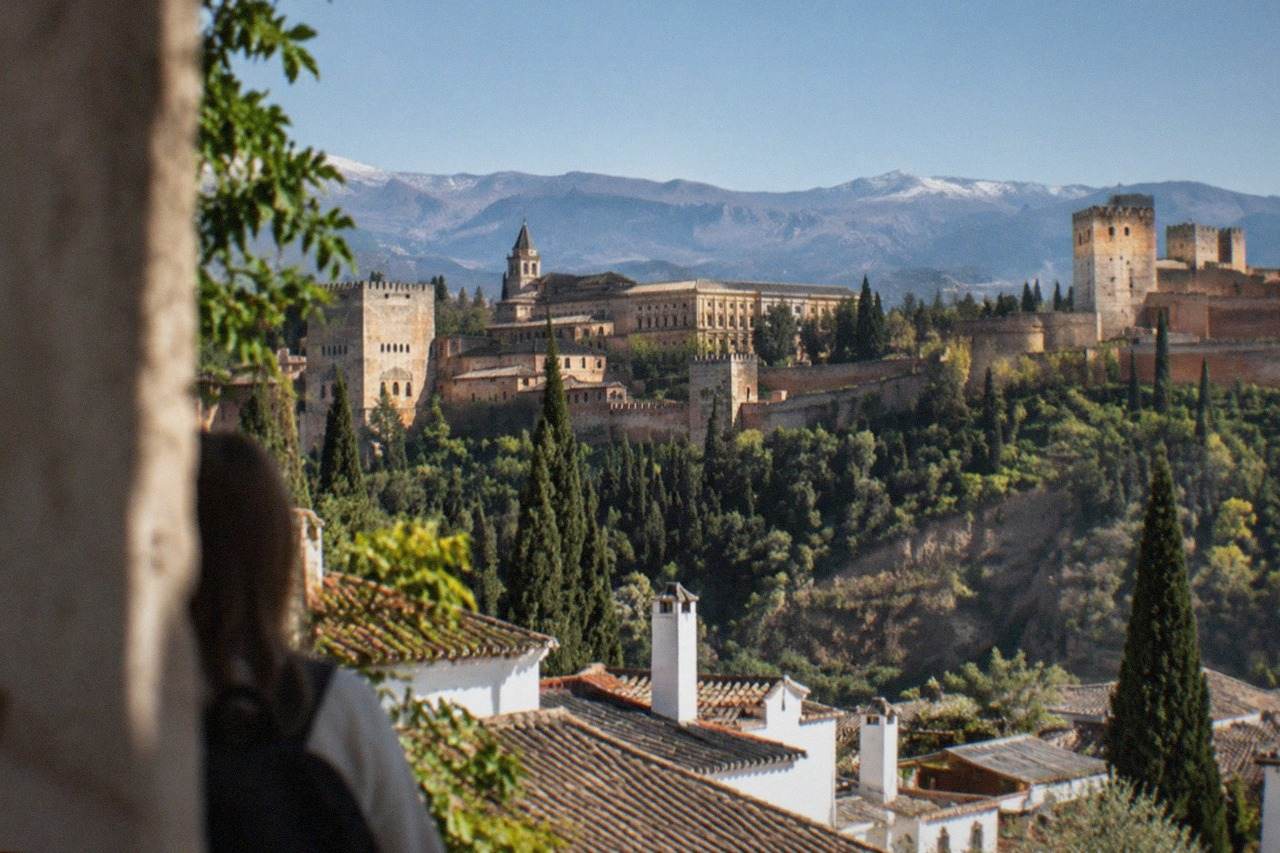
The decision usually comes down to what kind of trip you want. Granada is a mid-sized city clustered around one extraordinary hilltop monument, with the Albaicin and Sacromonte stacked on facing hillsides and the Sierra Nevada visible from the streets on clear winter days. Seville is bigger and flatter, its cathedral, Alcazar and archive grouped within walking distance of each other along the Guadalquivir plain. Granada rewards depth: one hill, one palace, layers of Moorish, Castilian and gitano history compressed into a small area. Seville rewards breadth.
The honest framing matters here. This site verifies Granada's numbers, and only Granada's, plus its day-trip destinations including Seville itself. So this comparison leans on what can be proven about Granada and describes Seville in qualitative terms rather than inventing figures for it. If a guide anywhere tells you Seville is "the fourth most visited city in Spain" or quotes a Seville cathedral ticket price from memory, treat that number the way you would treat any unsourced claim.
For a fuller treatment of the same question from the reader-mail angle, see which city is nicer, Seville or Granada, and for the logistics of linking the two, the Seville to Granada transfer guide covers every option in detail.
Which City Has The Bigger Headline Monument?
Granada's headline monument is the Alhambra, a UNESCO World Heritage Site since 1984, extended in 1994 to include the Albaicin, and it is strictly capacity controlled: roughly 6,600 to 7,000 visitors per day, with the Nasrid Palaces capped at about 300 people per half-hour slot. Seville's headline is its cathedral complex, a different kind of monument entirely, Gothic in scale and built for processions rather than intimate palace courtyards.
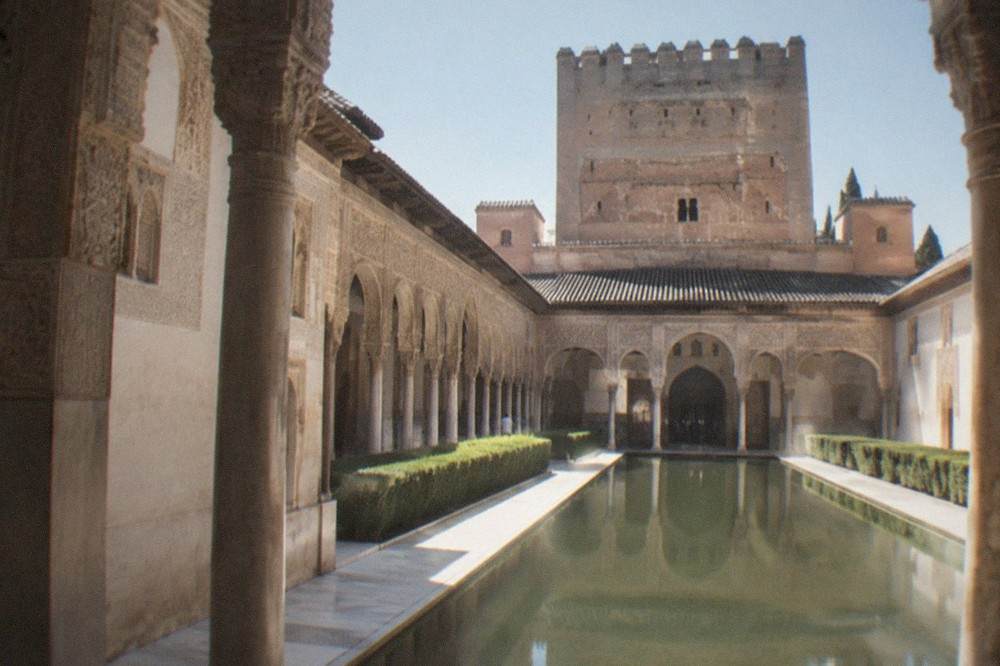
The Alhambra is not one building but a complex: the Nasrid Palaces, the Alcazaba fortress, the Generalife gardens and the later Palace of Charles V, all on one wooded hill. A General ticket covering the full daytime visit costs EUR 22.27 on the official ticket pages, with a gardens-only option at EUR 12.73 and night visits at EUR 12.73 for the Nasrid Palaces and EUR 8.48 for the gardens. Those are live official figures; a July 2025 press release promised lower prices from August 2025, but the official pages still show these, so book against what the seller actually charges.
Seville's cathedral answers with sheer volume: the largest Gothic nave in Christendom, the tomb of Christopher Columbus, and the Giralda tower, a minaret converted into a bell tower. Where the Alhambra is intimate, ornamented and rationed by the half hour, the Seville cathedral is vast, ceremonial and processional. The two monuments do different jobs, and travelers who see both rarely rank them on the same axis.
What the Alhambra demands is planning. Tickets are nominative, photo ID is checked at entry, and the half-hour Nasrid Palaces window printed on your ticket is strictly enforced, while the rest of the complex can be visited at any point that day. Online sales close at 23:59 the day before your visit, and there are no reliable same-day online sales. The full strategy, including what to do when the General ticket is gone, is in the Alhambra tickets guide, and the case for handing the logistics to a guided option is made in Alhambra tours compared.
| Alhambra ticket type | Official price (EUR) | What it covers |
|---|---|---|
| General, daytime | 22.27 | Nasrid Palaces, Alcazaba, Generalife |
| Gardens, Generalife and Alcazaba, daytime | 12.73 | Everything except the Nasrid Palaces |
| Night visit, Nasrid Palaces | 12.73 | Nasrid Palaces only, evening |
| Night visit, Gardens and Generalife | 8.48 | Gardens route only, evening |
| Dobla de Oro General | 30.48 | Alhambra plus Andalusi monuments in the city |
| Children under 12 | Free | Ticket still required for entry control |
If the Alhambra is your reason for choosing Granada, a guided visit removes the biggest failure mode, which is missing your Nasrid Palaces window or underestimating the complex's size.
How Do The Two Cities Compare On Price?
Granada's verified entry prices are low by major-city standards: EUR 22.27 for the full Alhambra, EUR 10 for the Cathedral during the 2026 Kerygma exhibition dropping to EUR 7 from 29 November 2026, and EUR 7 for the Royal Chapel, with under-12s free at all three. Seville's monument prices are not verified on this site, so this page will not quote them, but the pattern to plan around is identical in both cities: the headline monument costs the most and everything else is cheap or free.
Granada's cost structure is unusually generous once the Alhambra is paid for. The Mirador de San Nicolas, the single best view of the palace, costs nothing. The Albaicin's street plan, the Sacromonte caves, the Realejo's murals and the Carrera del Darro riverside walk are all free to wander. The tapas custom, covered below, effectively subsidizes dinner. A family can spend a full second day in Granada on transport and drinks alone.
| Granada monument or pass | Price (EUR) | Notes |
|---|---|---|
| Cathedral, individual, to 28 Nov 2026 | 10 | Kerygma exhibition period, reduced EUR 8 |
| Cathedral, individual, from 29 Nov 2026 | 7 | Reduced EUR 5 |
| Royal Chapel, individual | 7 | Reduced EUR 5, students under 25 qualify |
| Granada Card 72h | 60 | Includes Alhambra General, 9 bus trips |
| Granada Card 48h | 55 | Same inclusions, shorter validity |
| Granada Card 24h night Palaces | 50 | Night Nasrid Palaces variant |
| Granada Card Jardines | 50 | Alcazaba and Generalife, no Palaces |
| Granada Card, child 3-11 | 13 | All tiers |
The Granada Card guide runs the arithmetic on when the pass pays off, but the short version: with the Alhambra at EUR 22.27, the Cathedral at EUR 10 and the Royal Chapel at EUR 7, a 72h card at EUR 60 breaks even for most first visits once the included bus trips and museums are counted. Prices are effective from 13 November 2025 per the official turismo.granada.org page.
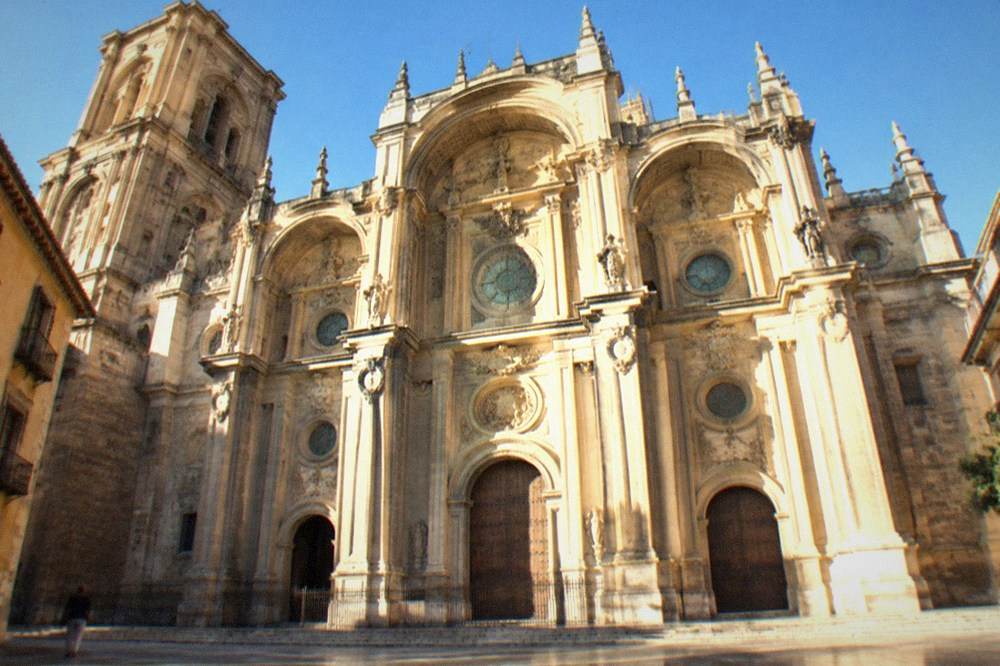
For Seville, the honest advice is to check each monument's own official ticket page before budgeting, and to be suspicious of any blog quoting a price without naming where it came from. What can be said without a figure: Seville's cathedral, Alcazar and archive are all paid entries clustered together, so a Seville sightseeing day has three or four ticket windows in it, while Granada's is dominated by one.
Is Granada Colder Than Seville?
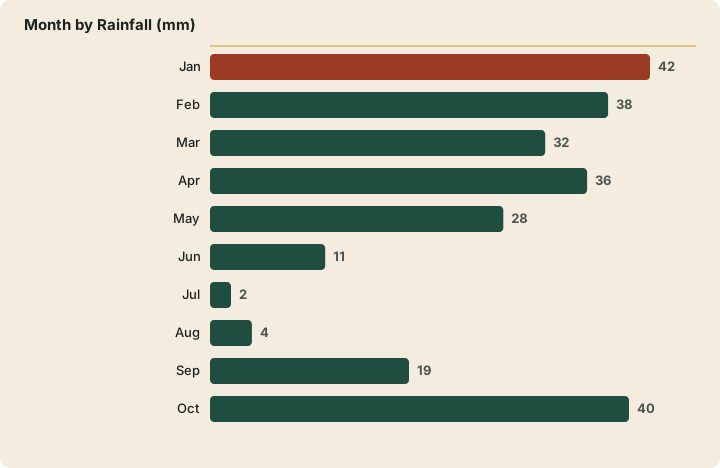
Yes, noticeably in winter, and the reason is altitude: AEMET's 1981-2010 normals for Granada Aeropuerto show January nights averaging 0.0C against daytime highs of 13.0C, while July and August average 34.8C and 34.2C highs. Seville, sitting lower on the Guadalquivir plain further west, has a hotter summer reputation, but this site's verified climate table covers Granada only, so treat any Seville temperature you read elsewhere with the same skepticism.
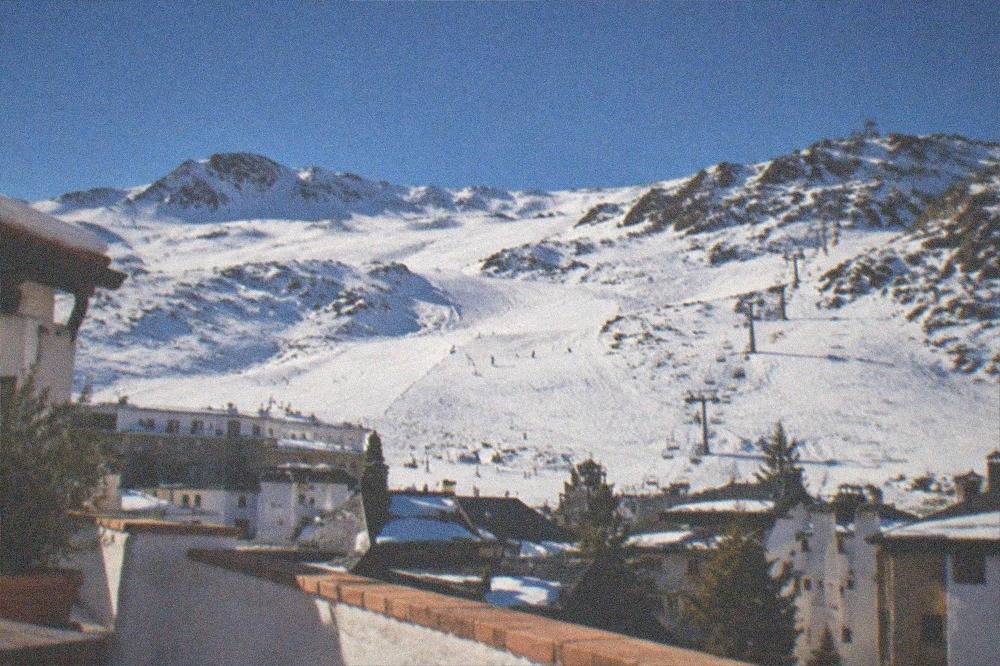
Granada's climate is continental despite its southern latitude. The city sits at the foot of the Sierra Nevada, and the same mountains that give it snow-capped views from the Mirador de San Nicolas in winter also drain the heat off the plain at night. Frost is a normal January event. Summer afternoons are genuinely hot, but summer nights drop to the mid-teens, which is why Granada's terrace and cave venues stay busy late.
| Month | Avg high (C) | Avg low (C) | Rainfall (mm) |
|---|---|---|---|
| Jan | 13.0 | 0.0 | 42 |
| Feb | 15.4 | 1.6 | 38 |
| Mar | 19.0 | 3.8 | 32 |
| Apr | 20.6 | 6.0 | 36 |
| May | 25.0 | 9.4 | 28 |
| Jun | 31.0 | 13.6 | 11 |
| Jul | 34.8 | 15.7 | 2 |
| Aug | 34.2 | 15.5 | 4 |
| Sep | 29.4 | 12.8 | 19 |
| Oct | 23.2 | 8.7 | 40 |
| Nov | 17.0 | 4.2 | 54 |
| Dec | 13.4 | 1.7 | 56 |
The practical consequences for trip planning are real. Spring and autumn are the sweet spots in Granada, and the best time to visit guide matches those months against Alhambra crowd levels, since the same April-to-June window that has the best weather also has the worst ticket availability. The monthly numbers above tell the rest of the story: the wettest months are November and December, which matters for walking the Albaicin's cobbled lanes, and the driest are July and August, which is exactly when afternoon sightseeing should start early and end in a cave.
Which City Is Better For Tapas?
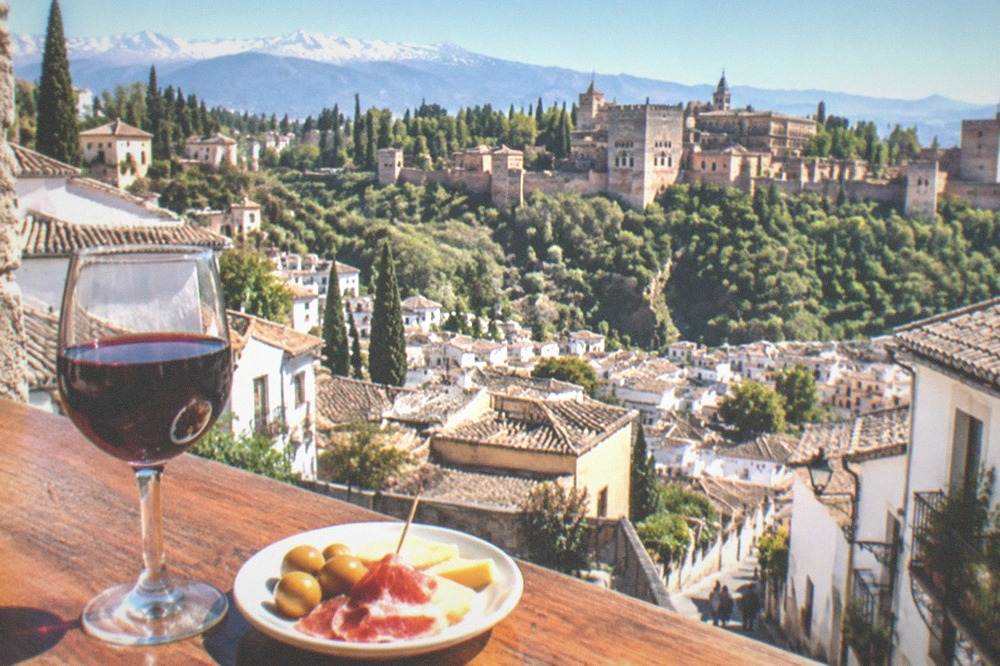
Granada, and it is not really close: the free-tapa-with-a-drink custom remains standard practice in many traditional Granada bars as of 2026, per July 2026 reporting, meaning a drink order typically arrives with a complimentary small plate, often scaling up with further rounds. Seville has an excellent bar scene of its own, but the complimentary-tapa tradition is the Granada signature, and it changes the economics of eating out.
The custom deserves careful wording. It is not a legal requirement, and some venues have adjusted portion size or drink pricing, so it should be treated as widely upheld local practice rather than a guarantee at every bar. But in the traditional bars of the Realejo, the city center and the lower Albaicin, ordering a caña or a tinto de verano and receiving food with it is still the normal state of affairs. The practical effect: two or three drinks across two or three bars can constitute dinner.
Seville's answer is a different food culture: fried fish, montaditos, and a dense concentration of historic bars around the city center and Triana across the river. It is superb, and nobody should skip it. But the visitor's wallet experiences the two cities differently, because in Granada the bar is partly a restaurant. Where to apply the custom, which neighborhoods concentrate the best traditional bars, and how the rounds typically escalate is all covered in the Granada tapas guide.
| Granada tapas zone | Character | What to expect |
|---|---|---|
| Realejo | Old Jewish quarter, student-heavy | Small traditional bars, murals nearby |
| City center around Navas | Classic tapas street grid | Complimentary tapas with drinks widely upheld |
| Lower Albaicin | Moorish lanes, viewpoint walks | Bars mixed with cave venues |
| Sacromonte | Cave country above the Darro | Flamenco venues with drinks and plates |
Which City Is Better For Flamenco?
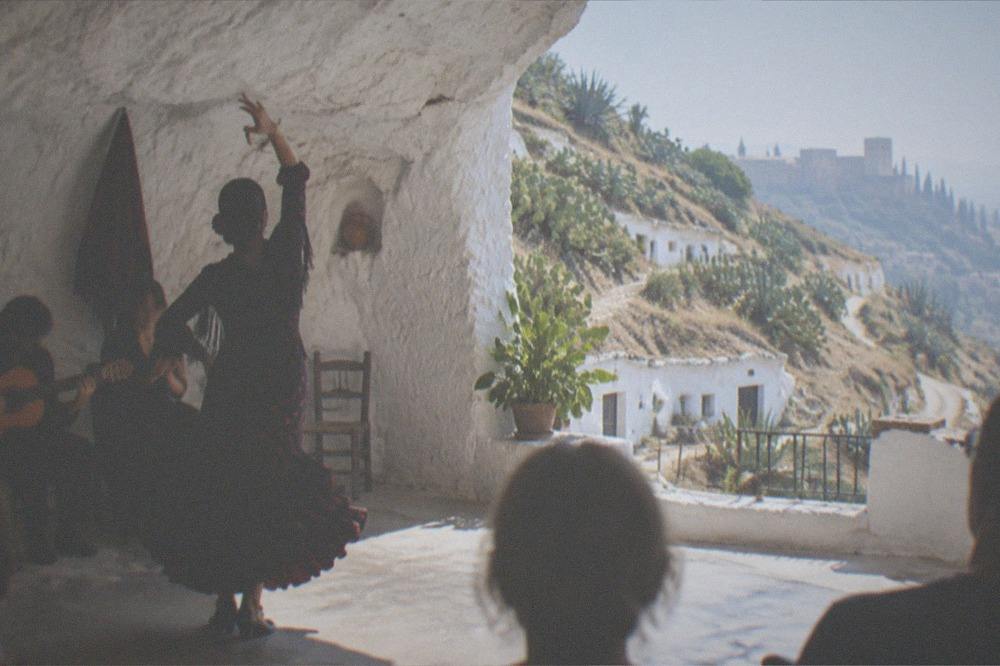
Both cities claim flamenco, but they stage it differently: Granada's signature is the cave show in Sacromonte, a zambra-descended tradition performed in whitewashed cave houses carved into the hillside, while Seville's is the tablao and the neighborhood peña, a more formal, stage-centered tradition. If your flamenco image is a dancer in a candlelit cave, that is Granada; if it is a polished stage production in a historic hall, that is Seville.
Granada's flamenco geography is unusually concentrated. The Sacromonte caves hosted gitano families for generations, and the cueva show remains the city's defining format: small rooms, close quarters, and a lineage that flamenco historians trace to the zambra, the Moorish-era festivity of Granada's gitano community. The Sacromonte cave flamenco guide covers what the format actually involves, and the broader flamenco in Granada guide compares venues and formats.
The head-to-head question, including whether one city's scene objectively outranks the other's, is argued out in which is better for a flamenco show, Granada or Seville. The short honest version: Seville is the institutional capital of the art form, Granada is its cave. Neither is a substitute for the other, and travelers doing both cities often book one show in each.
Can You Visit Both Cities On One Trip?
Yes, and doing so is the single best answer to the Seville or Granada question, because the two cities are linked by direct rail service and many travelers split a week between them. The practical constraint is not distance but the Alhambra: if Granada is on your itinerary, its tickets must be booked first, roughly three months ahead in peak season, before you lock anything else in.
The standard split is two or three nights per city. Granada's compact core means two well-planned days cover the Alhambra, the Albaicin, Sacromonte and the Cathedral quarter, and the two days in Granada itinerary shows the sequencing for visitors arriving from Seville. In the other direction, whether Seville works as a day trip from Granada gets a qualified yes, though a day trip compresses what is really a two-day city.

The rail link between the two is direct, and the question of whether a nonstop train runs from Seville to Granada confirms the practical picture for planners. Journey specifics and fares should be verified at booking time rather than taken from any guide, including this one, because this site's verified rail figures cover the Madrid-Granada AVE route, not the Seville route.
Once both cities are on the itinerary, the order matters less than the Alhambra booking. Buy the Nasrid Palaces ticket the day sales open for your date, then build the rest of the trip around it.
Where Should You Stay In Each City?
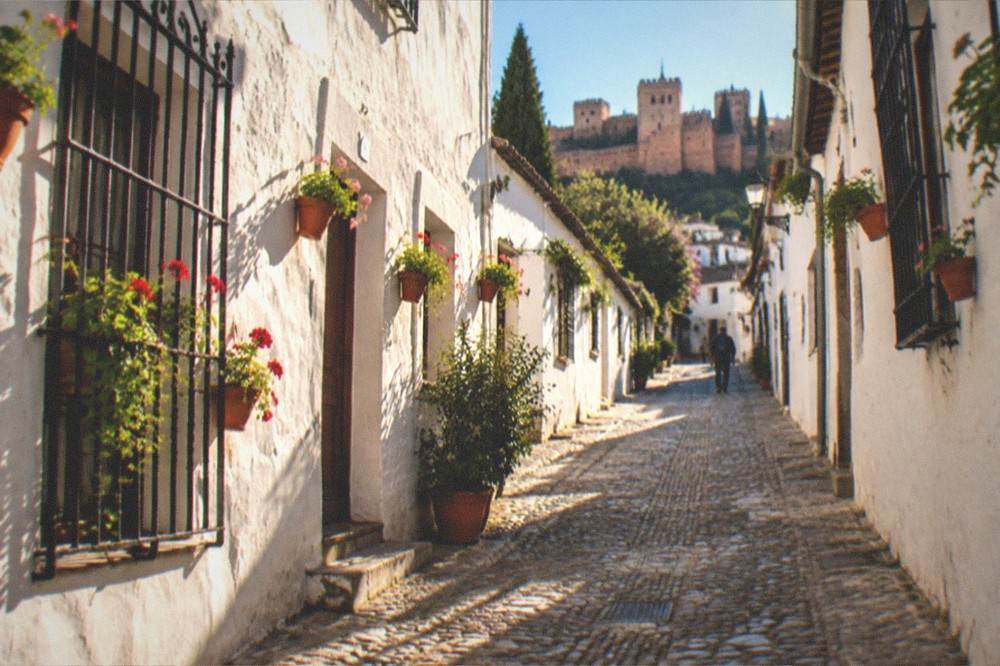
In Granada, first-timers should stay in or beside the old town, within walking distance of the Cathedral, the Albaicin and the Carrera del Darro, because the city's sights compress into a small pedestrian-scaled area and the Alhambra entry point is reached on foot or by a short hillclimb bus. In Seville, the equivalent logic puts you near the cathedral and the Santa Cruz quarter.
Granada's neighborhoods each carry a distinct character, and the choice changes the trip. The Albaicin trades convenience for atmosphere and views. The Realejo is quieter, closer to the center, and full of small bars. The old town around the Cathedral is the most practical base, and the Sacromonte caves are a venue destination more than a lodging one for most visitors. The full breakdown, including which districts suit families and which suit a short stopover, is in where to stay in Granada.
| Granada district | Character | Best for |
|---|---|---|
| Old town, around the Cathedral | Flat, central, walkable | First visits, short stays |
| Albaicin | Moorish hillside lanes, palace views | Atmosphere, photographers |
| Realejo | Old Jewish quarter, local bars | Food-focused stays |
| Sacromonte | Cave houses above the Darro | Flamenco nights, not logistics |
One Granada-specific option deserves a mention: the Parador de Granada, a state-run hotel inside the Alhambra grounds themselves, which converts the sell-out problem into a stay-inside-the-monument solution for those who book far ahead. There is no equivalent trick in Seville; the Alcazar has no hotel in its gardens.
What Does Granada Offer That Seville Cannot Match?
Three things, all verified on this build: the Alhambra itself, the only such Nasrid palace complex surviving at this scale; the Sierra Nevada, which puts a ski and hiking region within day-trip range of a southern Spanish city; and the cave flamenco and free tapas pairing that defines Granada's evenings. Seville offers breadth and grandeur, but mountains, caves and the Nasrid Palaces are Granada's alone.
The mountain card is the one travelers most often miss. From Granada, the high Sierra Nevada hiking routes run up toward 3,000 meters, the Los Cahorros gorge walk sits in Monachil, and the Alpujarras villages string along the southern slopes. In winter the ski resort typically opens late November and closes early to mid-April, weather dependent, though the 2026-2027 season dates were not officially published at research time, so check the resort's own site for this season. None of that exists from a Seville base.
For a taste of the high country, the guided Sierra Nevada hike up to 3,000 meters is rated 4.9 from 420 reviews on the operator's live listing. Closer to the coast, the Nerja and Frigiliana day trip pairs the Balcón de Europa with a white village in a small group capped at eight, Check availability.
And within the city itself, the whole Granada argument compresses into one walk: the Albaicin's lanes, the Mirador de San Nicolas view, the Carrera del Darro and the Sacromonte caves, strung together by the Granada in full historic center, Albaicin and Sacromonte tour, rated 5 from 28 reviews on the listing. The coastal Nerja and Frigiliana excursion remains the strongest day-trip pairing for a Granada-based week once the city itself is exhausted.
Common Questions About Granada Vs Seville
Which is nicer, Seville or Granada?
It depends on what you value. Granada has the Alhambra, free tapas, cave flamenco and mountain day trips; Seville has a larger monumental core and the institutional heart of flamenco. The full argument is laid out in this guide and in the dedicated answer page on the question.
Is the Alhambra harder to book than Seville's monuments?
Yes, by a wide margin. The Alhambra caps entry at roughly 6,600 to 7,000 visitors per day with about 300 per half-hour slot in the Nasrid Palaces, sells out one to two months ahead in peak season, releases tickets about three months in advance, and closes online sales at 23:59 the day before the visit.
Is Granada cheaper than Seville?
Granada's verified prices are modest: EUR 22.27 for the full Alhambra, EUR 10 for the Cathedral during the 2026 exhibition, EUR 7 for the Royal Chapel, and free tapas with drinks in many traditional bars. This site does not publish verified Seville prices, so compare against each monument's own official page before budgeting.
Can you do Seville and Granada in one trip?
Yes. Direct rail links the two cities, and a common split is two or three nights each. Book the Alhambra first, since its tickets release only about three months ahead and sell out in peak season, then arrange the rest of the trip around that date.
Which city has better weather?
Granada runs continental: AEMET's normals show January lows of 0.0C and July highs of 34.8C, with the driest months in summer. Seville has a hotter summer reputation on the lower Guadalquivir plain. Spring and autumn are the best compromise months for either city.
Which city is better for a short stopover?
Granada, because its sights compress into a small walkable area: one Alhambra booking, one Albaicin wander and one Sacromonte evening cover the essentials in two days. Seville rewards a longer stay, and a day trip there from Granada compresses it uncomfortably.
The verdict, if you need one forced: choose Granada when the Alhambra, tapas and mountains call, choose Seville when grandeur and flamenco's institutional home do, and choose both when the calendar allows, because Andalusia is small enough that the question is usually a false one.